Delving into the Shogun Assassination Arc
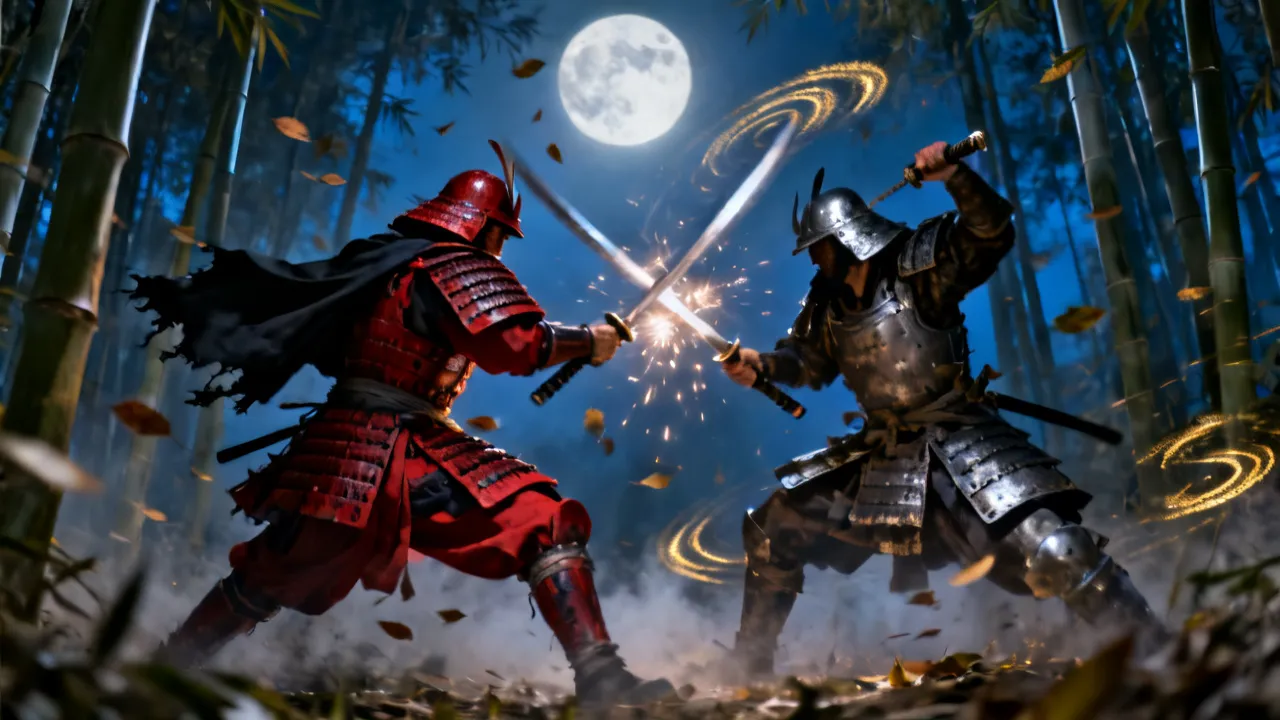
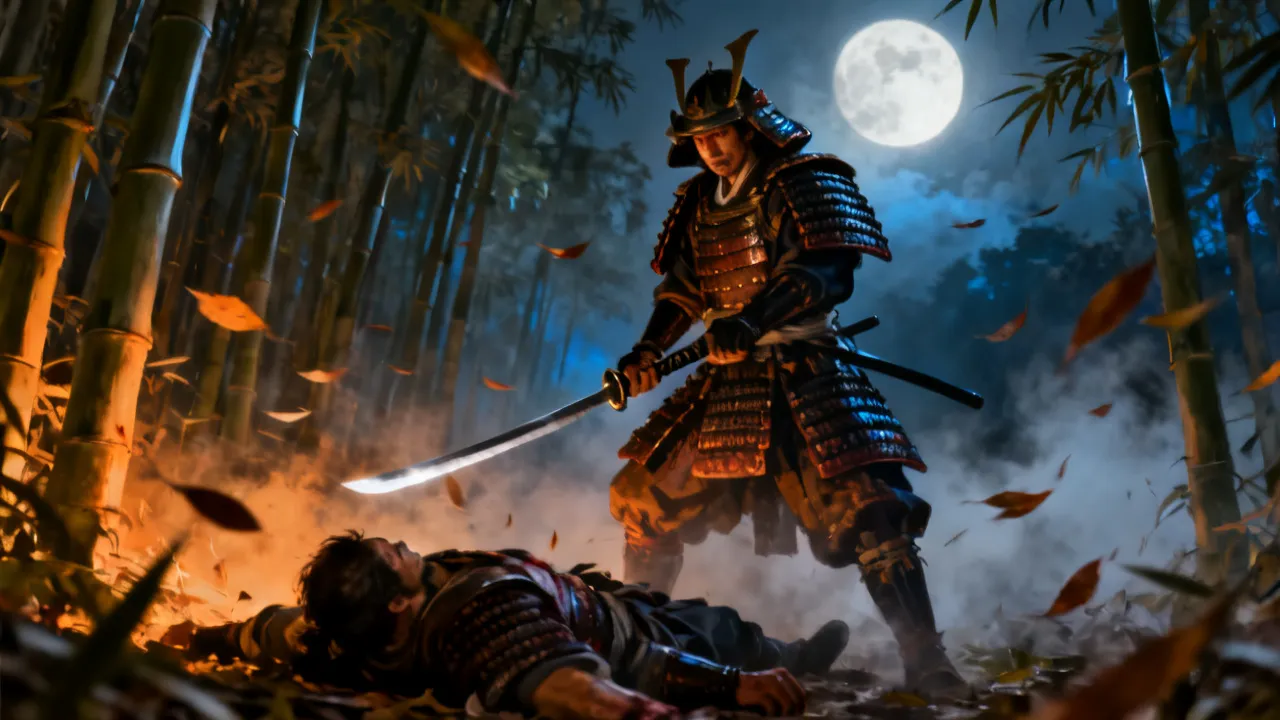
The Shogun Assassination Arc is a significant segment in Japanese historical fiction, portraying the intense and dramatic events surrounding the attempted assassination of a shogun. This powerful storyline reflects on political intrigue, loyalty, and betrayal, forming a pivotal moment in the narrative it inhabits. Through detailed character development and storytelling, it brings to life the complexities of power struggles and moral dilemmas.
Introduction to the Shogun Assassination Arc
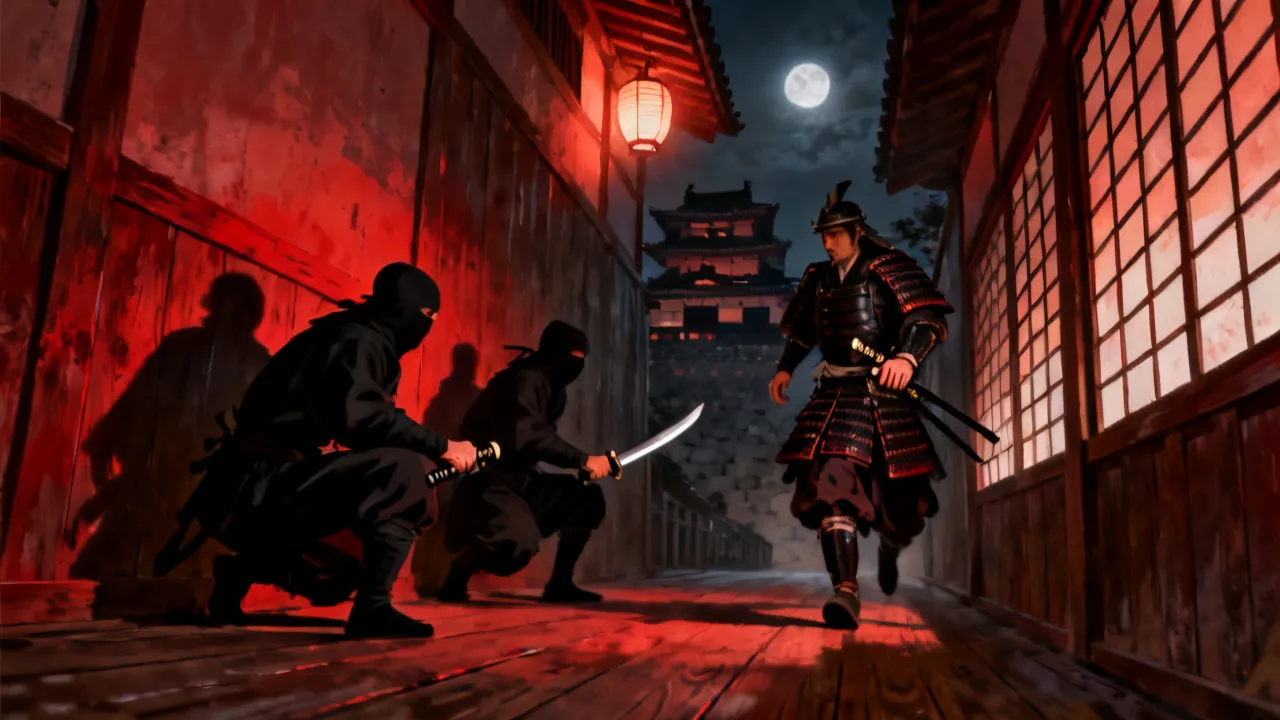
The Shogun Assassination Arc stands as a captivating chapter in historical fiction, particularly within popular manga and anime series. This arc skillfully intertwines the elements of political turmoil, personal vendettas, and the quest for justice, offering readers and viewers an enthralling journey through Japan's feudal history. The period it portrays is rich in drama and character, showcasing the immense power struggles that defined the political landscape and social hierarchies at that time. It becomes not just a tale of an attempted assassination but a reflection on the human experience against the backdrop of power and politics.
Historical Context and Themes
Set against the backdrop of the Edo period, the Shogun Assassination Arc explores the hypothetical assassination attempts on a ruling shogun. The Edo period, spanning from 1603 to 1868, was marked by a long era of peace, stability, and isolation from the outside world under the rule of the Tokugawa shogunate. However, beneath this surface tranquility lay underlying tensions, including dissatisfaction amongst the samurai class, rural peasants, and a burgeoning merchant class. This time was characterized by a rigid social hierarchy, with the shogun as the supreme military leader. The arc encapsulates themes of loyalty and betrayal, drawing from historical instances of intrigue and conflict. Such narratives serve to both entertain and educate, highlighting the delicate balance of power within the ruling class. These themes resonate throughout the drama, showcasing how different aspirations and allegiances can shift and mold a narrative's trajectory, often leading to unexpected consequences.
Character and Plot Development
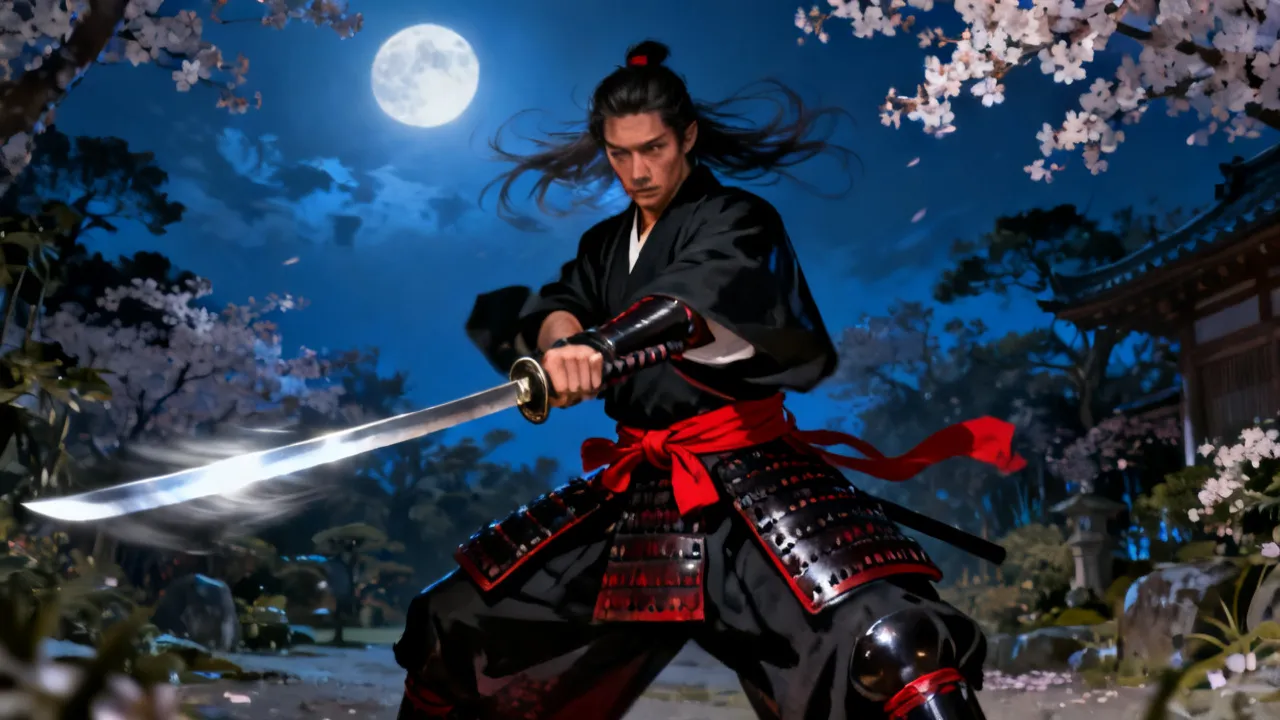
The Shogun Assassination Arc is notable for its complex characters, each driven by personal motivations and conflicting loyalties. The narrative often follows a core group of protagonists attempting to navigate the dangerous political landscape. The shogun in question is typically depicted as a polarizing figure, with layers of characterization that evoke both sympathy and resentment. On one hand, they might be a tyrant, exploiting their power for personal gain, while on the other, they could be portrayed as a leader struggling under the weight of their responsibilities. This multifaceted portrayal captures the nuances of leadership and the burdens it entails.
The supporting cast, comprised of loyal retainers, ambitious rivals, and innocent bystanders, enriches the plot with their diverse perspectives and roles. Each character often embodies particular philosophical or political ideologies, representing broader societal factions. The loyal retainer may grapple with their sense of duty versus their moral compass, while the ambitious rival embodies the relentless pursuit of power. Personal vendettas serve as key motivators, revealing how interconnections among characters drive the narrative forward. This complexity pulls audiences deeper into a world where motivations can clash dramatically, leading to poignant, life-altering decisions.
Visual and Narrative Techniques
In manga and anime portrayals of the Shogun Assassination Arc, the use of visual storytelling techniques plays a crucial role in enhancing the narrative's impact. Dynamic panel layouts, detailed artwork, and expressive character designs contribute to the tension and drama of the storyline. The intricacies involved in the character designs often reflect their personalities; for instance, a character embroiled in schemes might be depicted with darker colors or sharper lines, suggesting a hidden agenda. Conversely, characters embodying valor and honor could be rendered with bright, soft tones, evoking a sense of nobility.
Narrative devices such as flashbacks, cliffhangers, and dramatic confrontations further engross the audience, ensuring that each installment leaves a lasting impression. Flashbacks often shed light on a character's past, providing context for their motivations, while cliffhangers heighten suspense, compelling viewers to return for the next episode or chapter. Importantly, action scenes are often choreographed meticulously, echoing traditional Japanese martial arts, which adds a layer of authenticity to the narrative, showcasing not only strategic mind games but also physical prowess. The combination of powerful visuals with a dynamic storytelling approach creates a captivating experience, engaging the audience's emotions and intellect simultaneously.
Impact on the Audience
The Shogun Assassination Arc resonates deeply with audiences, drawing them into a world of intrigue and moral complexity. Viewers and readers find themselves questioning the nature of justice, the cost of loyalty, and the consequences of ambition. This inherent struggle within the narrative reflects a universal theme found in many cultures and eras – the tumult of human ambition against ethical standards. The dilemmas faced by characters in the arc often mirror real-life moral quandaries, prompting audiences to reflect on their values and ideals.
By immersing in this fictional retelling, they gain insight into the cultural and historical nuances of Japan's past, fostering a deeper appreciation for the country's rich heritage. The Shogun Assassination Arc not only entertains but also serves as a medium for exploring historical narratives intertwined with moral lessons. It becomes an interactive exploration, encouraging critical thinking and empathy among its audience, providing them with a lens to view their own societal structures through a historical prism.
Comparative Insight
| Element | Shogun Assassination Arc | Historical Reality |
|---|---|---|
| Setting | Feudal Japan, fictionalized Edo period | Feudal Japan, real Edo period challenges |
| Themes | Intrigue, loyalty, betrayal, justice | Political maneuvering, power struggle |
| Character Types | Protagonists, antagonists, supporting characters | Samurai, daimyos, shogun, retainers |
| Conflict | Personal vendettas and political aspirations | Battles for power and territorial disputes |
| Historical Accuracy | Fictionalized accounts, liberties taken for drama | Verifiable events and figures from history |
| Impact | Engages audiences through moral questions and entertainment | Shaped societal norms and legacy of Samurai culture |
Key Characters in the Shogun Assassination Arc
The Shogun Assassination Arc boasts a vibrant ensemble of characters, each crucial to driving the plot forward and deepening the narrative complexity. Below are some pivotal character archetypes and examples typically found within this arc:
The Shogun
The central figure, often portrayed as a figure of authority whose actions and rules spark discontent among the populace and samurai. They may be depicted as tyrannical or burdened by the weight of their responsibilities, creating a complex relationship with both their allies and enemies.
The Loyal Retainer
Often a samurai or bodyguard to the shogun, portraying unwavering loyalty. However, their loyalty is frequently tested by emerging conflicts of interest and personal morals. This character often encapsulates the struggle between duty and conscience, becoming a pivotal player in the unfolding events.
The Ambitious Rival
A character hell-bent on usurping the shogun’s power, often with a tragic backstory that grounds their motivations in personal loss or historical grievance. This character typically embodies ambition, cunning, and ruthlessness, presenting a formidable challenge to the protagonist and showcasing the darker side of power dynamics.
The Innocent Bystander
This character represents the unknowing populace affected by the political machinations at play. Their experiences often reflect the broader social impact of the power struggles and serve to humanize the larger narrative, linking personal stories to the political drama.
The Mastermind
A cunning strategist who operates from the shadows, often pulling strings to orchestrate the assassination attempt or further their ambitions. This character embodies the themes of deception and manipulation, challenging our perceptions of good and evil.
FAQs
- Q: What is the Shogun Assassination Arc about?
A: It is a narrative arc within historical fiction, particularly in manga and anime, focusing on an attempted assassination of a shogun. - Q: Why is this arc significant?
A: The arc addresses themes of loyalty and betrayal and illustrates intricate power dynamics of the period, making it relatable to contemporary societal issues. - Q: How historically accurate is the Shogun Assassination Arc?
A: While based on historical concepts, the arc is fictionalized for dramatic effect and might not reflect actual events, yet it provides a meaningful exploration of human behavior. - Q: Who are the main characters in this arc?
A: Key characters typically include the shogun, loyal retainers, ambitious rivals, and masterminds, each contributing to the intricate web of political drama. - Q: What cultural insights can be drawn from this narrative?
A: The Shogun Assassination Arc allows for reflections on honor, loyalty, and the ethics of governance, echoing fundamental values within Japanese culture and beyond.
Conclusion
The Shogun Assassination Arc remains an influential and enthralling narrative within the realm of historical fiction. It provides a lens through which audiences can explore the rich tapestry of Japan's past, bringing to life the era's complex cultural and political landscapes. The arc serves not only as a thrilling pursuit of power but also as a significant exploration of moral dilemmas central to the human experience. As a fictional exploration of intrigue and morality, it continuously captures the imagination and curiosity of its audience, ensuring its place as a staple of storytelling in modern pop culture. Overall, the Shogun Assassination Arc exemplifies how historical narratives can engage with universal themes, drawing on the rich experiences of the past to provide commentary on contemporary issues.
Broader Cultural Significance
Beyond its entertainment value, the Shogun Assassination Arc offers an exploration of broader cultural themes that resonate not just within Japan but also on an international scale. The moral complexities presented in the narrative reflect universal human struggles, encapsulating the fight between ambition and morality. This act of juxtaposing personal desires against the interests of society highlights larger philosophical questions regarding the ethical ramifications of one's choices.
Furthermore, the arc shines a light on the samurai code of honor, known as "Bushido," which emphasizes loyalty, honor, and duty. Within the context of the narrative, these values often clash with personal ambitions, thereby creating tension that mirrors the struggles faced in contemporary society where individuals frequently grapple with competing loyalties and moral dilemmas. The scruples of characters make them relatable across cultures, allowing audiences to connect with their journeys on an emotional level.
Influences on Modern Media
The Shogun Assassination Arc has seeped into various forms of modern media, influencing how stories are structured and the themes that are explored in different narratives. The motifs of political intrigue and character-driven plots have become staples in contemporary storytelling, evident across genres from historical dramas to fantasy and even mainstream action films.
Through the impact of this arc on storytelling, we see a ripple effect, wherein modern creators draw inspiration from its intricate character relationships and moral questions. The richness of its narrative techniques, including the use of flashbacks and layered character development, has paved the way for more engaging storylines in television series and films worldwide.
Crossover with Other Media
Developing a cultural crossover, the themes prevalent in the Shogun Assassination Arc extend beyond traditional manga and anime realms. They have influenced multiple forms of storytelling, including video games and literature. Games set in feudal Japan often incorporate elements of assassinations and the samurai code, allowing players to engage with these narratives interactively.
Moreover, novels that explore similar themes have emerged as a result of the strong foundation this arc provides, ensuring the impact of its narrative continues to thrive in various literary forms. The intertextuality found within the arc fosters a rich dialogue between traditional Japanese storytelling and global narrative practices, solidifying its status as a pivotal point in cultural exchange.
Final Thoughts
The Shogun Assassination Arc not only entertains but fosters a deeper understanding of human nature and the complexities of societal structures. As audiences navigate through the intricacies of the plot and the profound themes woven into the narrative, they are presented with an opportunity to reflect on their values and principles in light of adversity. In doing so, the arc takes on a timeless quality—one that speaks to both historical realities and modern dilemmas alike, continuing to captivate and inspire across generations.
-
1

Discovering Springdale Estates
-
2
Complete Dental Implants in One Day
-
3
Navigating Senior Living Options
-
4
Transform Your Lifestyle: Discover the Elegance and Swift Convenience of Designer Prefabricated Homes!
-
5
Guiding Your Family Through the Conversation: Navigating a Lung Cancer Diagnosis Together