Unveiling the Shogun Assassination Arc
The Shogun Assassination Arc is a pivotal narrative within Japanese historical fiction, often depicted in literature and media for its intrigue, drama, and insight into samurai culture. This arc explores the complex socio-political dynamics of the Edo period, highlighting the intricate plans to assassinate or protect the Shogunate leader and delving into themes of honor, loyalty, and betrayal.
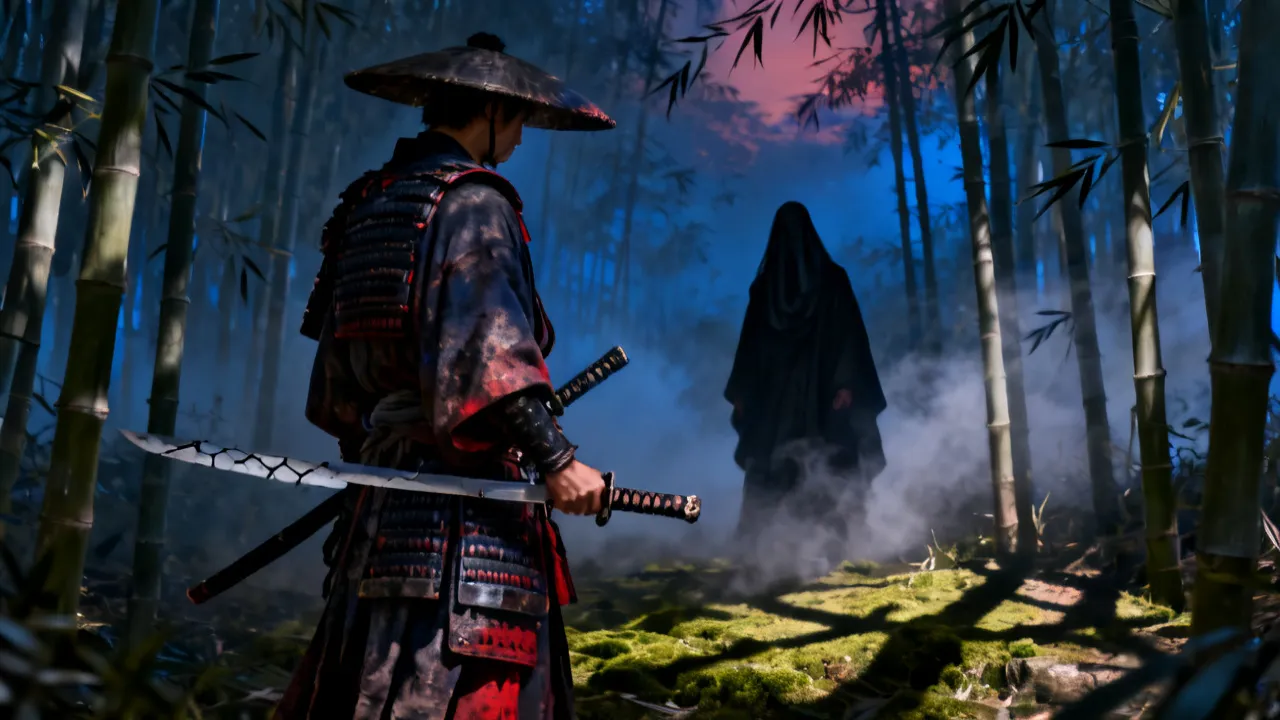
Introducing the Shogun Assassination Arc
The Shogun Assassination Arc, a significant chapter in Japanese historical narratives, provides a rich tapestry of intrigue and drama centered on the socio-political intricacies of the Edo period. This arc captures the imagination with its portrayal of samurai honor, loyalty, betrayal, and the undercurrents of power struggles. Historically inspired, it brings to life the perilous attempts either to overthrow or shield the Shogun, illustrating the delicate balance of power during one of Japan's very tumultuous eras.
The Historical and Cultural Context
Rooted in the Edo period's historical framework, the Shogun Assassination Arc reflects the era's power dynamics, where the Shogunate held significant military and political authority. The early 17th to mid-19th century was a time when Japan was under strict rule by the Tokugawa Shogunate, an era marked by peace, isolation, and rigid social orders. Within this period, any shift in the shogunate structure signaled potential chaos and instability, making the concept of a Shogun assassination a compelling and intense narrative foundation.
The Tokugawa Shogunate emerged after centuries of feudal warfare, consolidating power over the warring samurai clans and ending the chaotic Sengoku or "Warring States" period. This consolidation led to a relatively peaceful environment known as the Pax Tokugawa, during which the policies of isolationism, known as Sakoku, were imposed. The isolationist policies limited trade and contact primarily to the Dutch and Chinese, creating a unique cultural bubble that allowed for leisurely pursuits and advancements in arts and culture while maintaining an overarching sense of political control.
As peace reigned, however, discontent brewed beneath the surface. Various daimyos—the feudal lords—navigated through alliances and enmities, revealing the play of power that formed the backdrop for the assassination arc. Samurai, bound by the bushido code of honor, found themselves often in precarious positions where their ideals clashed with political realities. This tension forms the crux of many narratives surrounding the Shogun Assassination Arc, incorporating the struggles of loyalty against a backdrop of inevitable betrayal.
Narrative Structure and Themes
The narrative of the Shogun Assassination Arc typically fuses fiction with historical allusions. Renowned for its multifaceted character development, the arc often revolves around a central conflict involving secret plots and espionage to either dethrone the Shogun or protect him from impending threats. Key themes include:
- Honor and Loyalty: Samurai culture's emphasis on honor and loyalty creates complex alliances and rivalries. These values are intricately explored through characters' motivations, presenting various interpretations of what it means to be loyal and honorable, often leading them to make unimaginable sacrifices.
- Betrayal and Deception: Characters face moral dilemmas, often deceiving one another in pursuit of personal or political goals. Betrayal doesn't just come in the form of treachery but can also be about betrayal of one's ideals or the expectations placed upon them by society.
- Power and Politics: The struggle for power underscores the arc's tension, depicting the inherent dangers of political machinations. Power struggles often manifest through espionage, assassination plots, and conflicts among samurai loyal to differing factions.
- Justice and Duty: The conflict between personal duty to the Shogun and broader justice questions arises continually. Characters must navigate the conflicting obligations to the Shogunate, to their families, and to their own moral beliefs, often putting them in tragic situations.
Cultural Depictions and Adaptations
The allure of the Shogun Assassination Arc extends into various adaptations across literature, manga, anime, and film. These adaptations often infuse the narrative with contemporary issues, translating the core themes into accessible and resonant storytelling.
For instance, in the realm of anime and manga, the Shogun Assassination Arc can be seen in the popular series "Gintama," where it is intertwined with humor and satire yet retains its intense storyline. This approach showcases not only the flexibility of the narrative but also its enduring appeal across different media formats. "Gintama" plays with the tropes of the genre, often breaking the fourth wall while maintaining a deep-seated respect for the historical elements at play.
Furthermore, cinematic adaptations provide an additional layer of engagement. Films like "The Last Samurai" illustrate the cultural clash between the traditions of the samurai and Western influences, while works such as "Lone Wolf and Cub" explore themes of vengeance and the moral conundrums faced by samurai in their duties. Each adaptation offers its interpretation of the Shogun Assassination Arc's themes, enabling new audiences to connect with these historical narratives in meaningful ways.
Why the Shogun Assassination Arc Resonates
Several factors contribute to the enduring popularity of the Shogun Assassination Arc:
- Emotional Depth: The arc's emotional narrative depth attracts audiences looking for both action and sophisticated storytelling. The ability to weave human emotions with historical events opens pathways for deeper engagement with the story.
- Complex Characters: The well-rounded, morally complex characters provide a dynamic exploration of human nature. Their internal conflicts resonate with modern audiences, revealing that the struggles of loyalty, honor, and ambition transcend time.
- Historical Insight: It offers a captivating glimpse into a historically crucial era of Japan, stimulating interest in the broader historical context. Through its narratives, viewers become fascinated not just with the romanticized aspects of samurai life but also with the hardships and struggles the period entailed.
- Universal Themes: Themes of power, corruption, and honor resonate universally, making the story compelling beyond its historical setting. The essence of the narratives speaks to anyone who has faced moral dilemmas, situational conflicts, or the pursuit of justice in their lives.
Character Archetypes in the Shogun Assassination Arc
The Shogun Assassination Arc also introduces a series of compelling character archetypes that play a critical role in driving the narratives forward. These archetypes often embody the core themes and conflicts central to the story, creating intense drama and emotional engagement.
- The Loyal Retainer: This character exemplifies unwavering loyalty to the Shogun or their master, often facing insurmountable conflicts when duty clashes with personal feelings. They represent the ideal samurai ethos, struggling to navigate their relationship with honor and the deep human emotions that often conflict with it.
- The Ambitious Samurai: This archetype embodies the drive for power and status. These characters are often depicted as torn between their aspirations and their loyalties, leading to morally ambiguous choices that create tension within the narrative.
- The Deceptive Politician: Often engaged in plots to overthrow the Shogun or manipulate the political landscape, this character adds layers of intrigue and conflict within the narrative, showcasing the darker side of ambition and power, as well as the consequences of deceit in pursuit of control.
- The Tragic Hero: Frequently found in these narratives, the tragic hero’s journey includes a strong moral compass that ultimately leads to their downfall. This archetype often serves to highlight the conflicts between duty, honor, and personal desires, often becoming the most poignant characters in the story.
- The Innocent Bystander: Representing the common people's view within the often chaotic political landscape, this character provides a human perspective affected by the power struggles of the samurai. They serve as a reminder of the stakes involved, emphasizing the consequences of the political games played by the higher echelons.
The Influence of the Shogun Assassination Arc on Modern Media
The themes and narratives surrounding the Shogun Assassination Arc have heavily influenced modern media across different genres and formats. The appeal of the samurai ethos, combined with the complexities of political intrigue, has seen adaptations manifest not only in traditional Japanese storytelling but also in global cinema and literature.
In Hollywood, elements of the Shogun Assassination Arc can be found in films that portray honor among warriors, the clash of cultures, and the moral dilemmas surrounding leadership and loyalty. For instance, films such as "47 Ronin" and "The Last Samurai" demonstrate how these themes resonate deeply with audiences seeking stories of valor, sacrifice, and betrayal.
Moreover, video games like "Ghost of Tsushima" incorporate elements from the Shogun Assassination Arc, allowing players to engage in narratives that require them to make choices that reflect on honor, loyalty, and sacrifice. The blend of narrative-driven gameplay with historical setting creates an interactive experience that furthers appreciation for the complexities of samurai life and the ethical dilemmas they encountered.
This intersection of historical narratives with modern interpretations allows new vibrancies and relevances to emerge, ensuring that the timeless tales encapsulated in the Shogun Assassination Arc remain both relevant and captivating for contemporary audiences. The enduring nature of these themes suggests a universal quest for identity, duty, and morality, transcending time and culture.
FAQs
What is the Shogun Assassination Arc?
The Shogun Assassination Arc is a narrative segment often found in Japanese historical fiction, focusing on plots to either remove or protect the Shogun, embodying themes such as samurai honor and political intrigue.
Why is the Shogun Assassination Arc significant?
Its significance lies in its exploration of the power dynamics of the Edo period, along with rich character development and thematic depth, drawing parallels between historical and moral dilemmas.
Where can one find adaptations of the Shogun Assassination Arc?
Adaptations are prevalent in literature, manga, anime, and film, with notable representations in series like "Gintama," where historical elements blend with modern storytelling techniques.
What cultural considerations are important when studying this arc?
Understanding the historical context, samurai culture, and the political climate of the Edo period are crucial for appreciating the arc's narrative depth and significance.
How do modern interpretations of the Shogun Assassination Arc compare to historical facts?
Modern interpretations often blend historical facts with fictional narratives for dramatic effect, creating engaging stories that resonate with contemporary themes while still paying homage to the historical elements of the Edo period.
Concluding Thoughts on the Shogun Assassination Arc
The Shogun Assassination Arc stands as a testament to the rich cultural tapestry of Japan, encapsulating themes of honor, betrayal, and the complexities of power that resonate through time. Through its blend of historical events with fictional storytelling, it continues to captivate audiences across various platforms. As adaptations proliferate in literature, film, and other media, the narratives and characters born from this arc become vehicles for exploring deeper themes of human nature, governance, and moral conflicts that strike a chord with audiences today.
The lessons gleaned from the Shogun Assassination Arc remind us that history, while a tale of the past, often mirrors the struggles faced in the present. It invites reflection on how power dynamics, loyalty, and justice shape our societies and our lives, making it not just a historical narrative but a continuously relevant exploration of what it means to be human in an ever-evolving world.
-
1

Discovering Springdale Estates
-
2
Complete Dental Implants in One Day
-
3
Navigating Senior Living Options
-
4
Transform Your Lifestyle: Discover the Elegance and Swift Convenience of Designer Prefabricated Homes!
-
5
Guiding Your Family Through the Conversation: Navigating a Lung Cancer Diagnosis Together