The Shogun Assassination Arc: An In-depth Analysis
The Shogun Assassination Arc is a captivating segment of a renowned Japanese manga series that highlights political intrigue, action, and character development. This article delves into the profound narrative and artistic elements that define this arc, illustrating its significance and impact on the series' overall mythology. We explore core themes, character dynamics, and the historical context that enriches its storytelling.
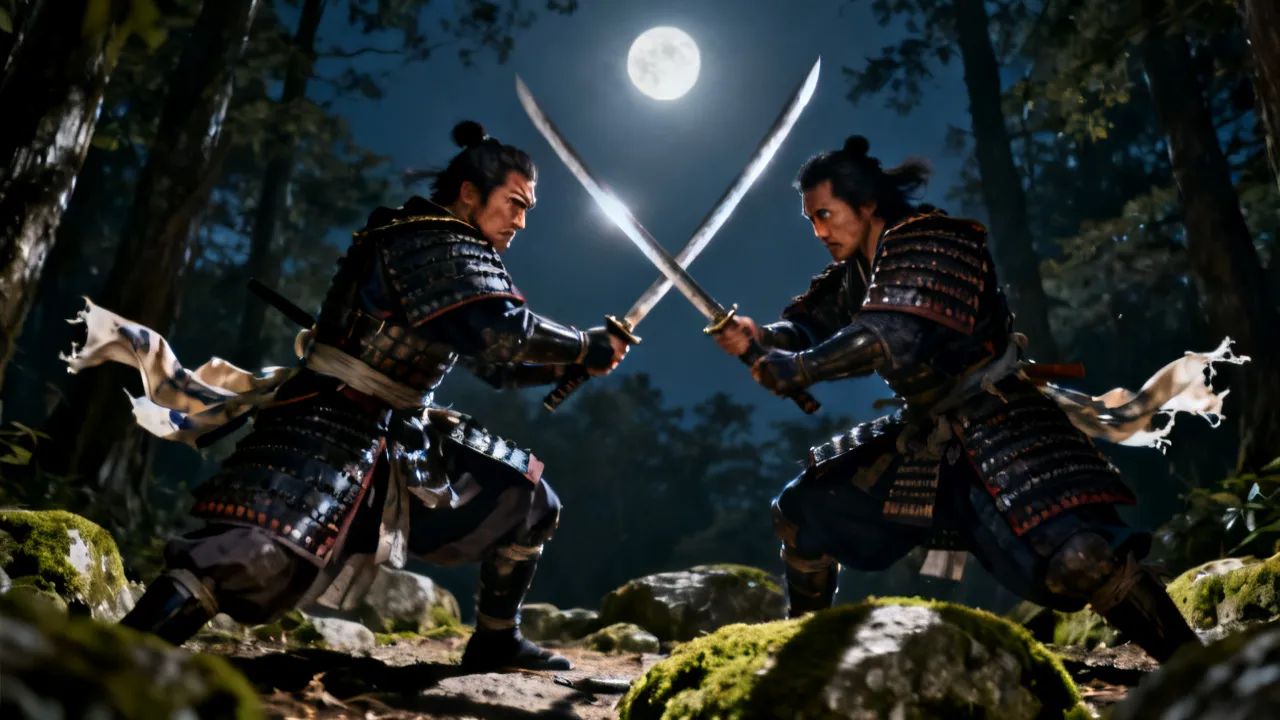
Exploring the Shogun Assassination Arc
The Shogun Assassination Arc is a pivotal chapter within the acclaimed Japanese manga series, "Gintama." Known for its blend of historical elements with comedic twists and dramatic storytelling, this arc delves into a complex narrative involving political intrigue, intense action, and deep character introspection. During this arc, the protagonist and his allies are embroiled in a plot to protect the Shogun from imminent threat, leading to a blend of emotions, strategies, and unforeseen challenges. The stakes are high, with the very future of the government and its power structure hanging in the balance. The narrative builds a compelling atmosphere filled with suspense and a sense of urgency, compelling readers to engage deeply with the unfolding drama.
Historical Context and Setting
Set in a fictional version of the Edo period of Japan integrated with science fiction elements, the narrative stands out by weaving historical nuances with imaginative storytelling. This backdrop allows the story to explore themes of governance, loyalty, and resistance against corruption and oppression. The Shogun Assassination Arc leverages these themes to portray the constant tension between tradition and change, with a heartfelt depiction of the struggle for power and justice. The juxtaposition of samurais with alien technology and a modern sensibility creates a unique cultural tapestry that critiques not only political structures but also the very nature of societal change in Japan. Many of the political conflicts reflected in the arc can be traced back to Japan’s own tumultuous history during the Edo period when the country experienced significant internal strife and reform.
Character Dynamics and Development
Central to this arc is the growth and interaction of its diverse characters. The protagonist, Gintoki Sakata, is portrayed with layers of complexity, revealing vulnerabilities and strengths. His relationships with allies such as Shinpachi and Kagura, as well as with rivals and adversaries, add depth to the narrative. Gintoki's character embodies the archetype of the reluctant hero, using his dark past and failures as a driving force to protect those he loves. The tension between his carefree façade and the seriousness underlying his actions creates an emotional dichotomy that continually resonates with readers.
Shinpachi Shimura offers a contrast to Gintoki’s more laid-back demeanor. As the diligent right-hand man of Gintoki, Shinpachi represents the voice of reason and moral grounding throughout the chaos. His character development throughout the arc reflects a personal journey of growth as he navigates his own insecurities while standing alongside Gintoki in challenging times. Meanwhile, Kagura, with her fierce loyalty and formidable strength, shows tremendous development as she grapples with her feelings regarding the expectations placed upon her as part of the Yato clan. This arc marks a turning point for her character, showcasing her ability to wield her innate power in tandem with her emotional core, thereby demonstrating that strength is both physical and emotional.
In addition to the primary characters, several supporting figures enrich the storytelling. The Shinsengumi, a police force tasked with maintaining order, is central to this arc. Characters such as Hijikata and Gintoki, though from different sides of law and order, share a mutual respect forged through their understanding of the complexities of governance. The presence of Nobunobu, the arc's main antagonist, further complicates the narrative and challenges the heroes’ beliefs. His ambition is representative of the darker aspects of political power, showcasing how the pursuit of authority can corrode one's humanity. The multifaceted relationships and interactions serve to drive the narrative forward, creating a layered, intricate portrayal of the human experience amidst conflict.
Thematic Elements and Symbolism
Several potent themes are woven throughout the Shogun Assassination Arc, including loyalty, sacrifice, and redemption. Characters face moral dilemmas that challenge their beliefs and alliances. Loyalty is tested not only among friends but also within factions that represent larger ideological divides. The choice between personal loyalty and duty to a greater cause manifests in several instances, leading to poignant moments that highlight the complexity of human relationships. Sacrifice is another recurring theme as characters are forced to confront what they are willing to give up for others. These sacrifices become catalysts for significant character growth and evolution, leading to transformative experiences that shape the outcome of the arc.
Redemption emerges as a vital theme as characters grapple with their past decisions and the consequences those choices entail. The personal journeys toward atonement or acceptance are vividly portrayed, inflicting a sense of realism that resonates deeply with the audience. Additionally, the arc’s symbolism is further enhanced by its visual storytelling—vivid art captures the tensions and dynamics of battle scenes, while more subdued panels reflect introspective moments and transitions. The dichotomy of vibrant action juxtaposed against quiet reflection accentuates the emotional weight of pivotal decisions, further immersing readers in the narrative.
Artistic Interpretation
The artistry employed in this arc demonstrates a masterful integration of traditional Japanese art with modern manga aesthetics. Dynamic panel compositions, meticulously detailed backgrounds, and expressive character designs coalesce to create a visually compelling narrative. The intricate artwork envelops readers in the world of Gintama, capturing both the chaotic skirmishes and the more contemplative moments of the story. Each frame is layered with meticulous design choices that enhance the storytelling, from the flow of fabric in a samurai's clothing to the gleam in a character’s eye negotiating the tension of the scene.
The interplay of shadow and light underscores the thematic gravity and enhances the storytelling's emotional resonance. Action sequences are characterized by cinematic ways of framing, showcasing movement with vibrancy and intensity. Contrastingly, moments of introspection are presented in more muted tones, allowing readers to absorb the weight of the characters’ realizations and emotional turmoil. This sophisticated balance of action and silence in visual storytelling captures the complexity of each character's battle both external and internal, adding an additional layer of richness to the overall arc.
Impact on the Overall Series
The Shogun Assassination Arc is more than a mere plotline within the series; it acts as a catalyst for character evolution and narrative progression. It redefines character relationships and sets new stakes, causing ripple effects that influence subsequent arcs. The relationships established and tested during this arc lay the groundwork for emotional resolutions and future conflicts. Gintoki's character trajectory, shaped by the events of this arc, leads to battles that force him to confront his past and the consequences of his choices in later storylines.
Moreover, the political implications explored in this arc resonate throughout the series, establishing a canon-rich environment where themes of governance, authority, and personal responsibility continue to develop. The emotional stakes established here contribute to the overall depth of Gintama, creating layers that can be revisited and analyzed in later arcs. By exploring politically charged themes and intense personal journeys, the arc contributes significantly to the series' overarching ethos and emotional heartbeat.
| Character | Role |
|---|---|
| Gintoki Sakata | Protagonist; leads the mission to protect the Shogun, represents the conflicted hero. |
| Shinpachi Shimura | Gintoki's loyal companion; embodies the moral compass and voice of reason. |
| Kagura | Powerful ally; grapples with her identity while showcasing her fierce loyalty. |
| Nobunobu | Antagonist; represents the political opposition and the darker side of ambition. |
| Shinsengumi | Police force supporting the protagonist's efforts; adds complexity to law and order themes. |
FAQs
What makes the Shogun Assassination Arc memorable?
The arc's blend of action, character development, and thematic depth makes it a significant and memorable part of the narrative. The stakes faced by the characters invite readers to become deeply emotionally invested, leading to moments that resonate long after the arc has concluded.
How does this arc influence the series?
It reshapes character dynamics and propels the storyline into more intense and emotionally charged territories, impacting future developments significantly. The connections made and the evolution of the characters influence relationships and confrontations in arcs that follow, providing a sense of cohesion within the series.
What are the artistic highlights of this arc?
The arc is renowned for its detailed artwork, expressive character portrayal, and the effective use of visual symbolism to enhance narrative depth. The artistry remains iconic within the manga community, elevating the storytelling by enhancing emotional beats through visual representation and atmosphere.
How does the arc address themes of power and corruption?
The Shogun Assassination Arc tackles themes of power and corruption head-on, showcasing the moral complexities associated with governance. It examines the consequences of blind ambition and the sacrifices made for both personal and political gains, utilizing its characters’ journeys to test these ideas extensively.
In conclusion, the Shogun Assassination Arc stands as a testament to the intricate storytelling and innovative artistry that characterize "Gintama." Its blend of history, emotion, and action captures imaginations and leaves a lasting imprint on its audience, ensuring its place as one of the most memorable arcs in manga history. The character growth, thematic depth, and artistic achievements encapsulated within this arc not only elevate the series but also contribute to the broader narrative tapestry of modern storytelling. As readers delve into these stories, they find reflections of their own struggles and triumphs, forging a timeless connection to Gintama’s narrative world and its characters.
-
1

Discovering Springdale Estates
-
2
Complete Dental Implants in One Day
-
3
Navigating Senior Living Options
-
4
Transform Your Lifestyle: Discover the Elegance and Swift Convenience of Designer Prefabricated Homes!
-
5
Guiding Your Family Through the Conversation: Navigating a Lung Cancer Diagnosis Together