Understanding the Shogun Assassination Arc
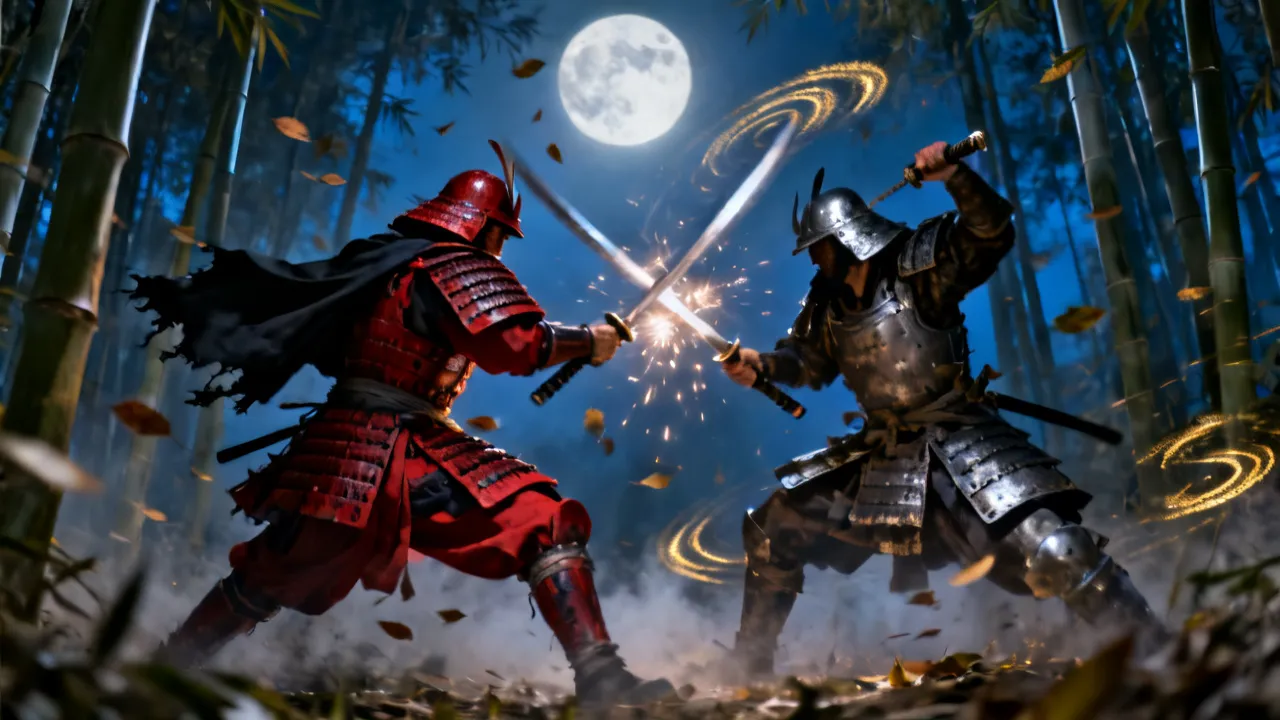
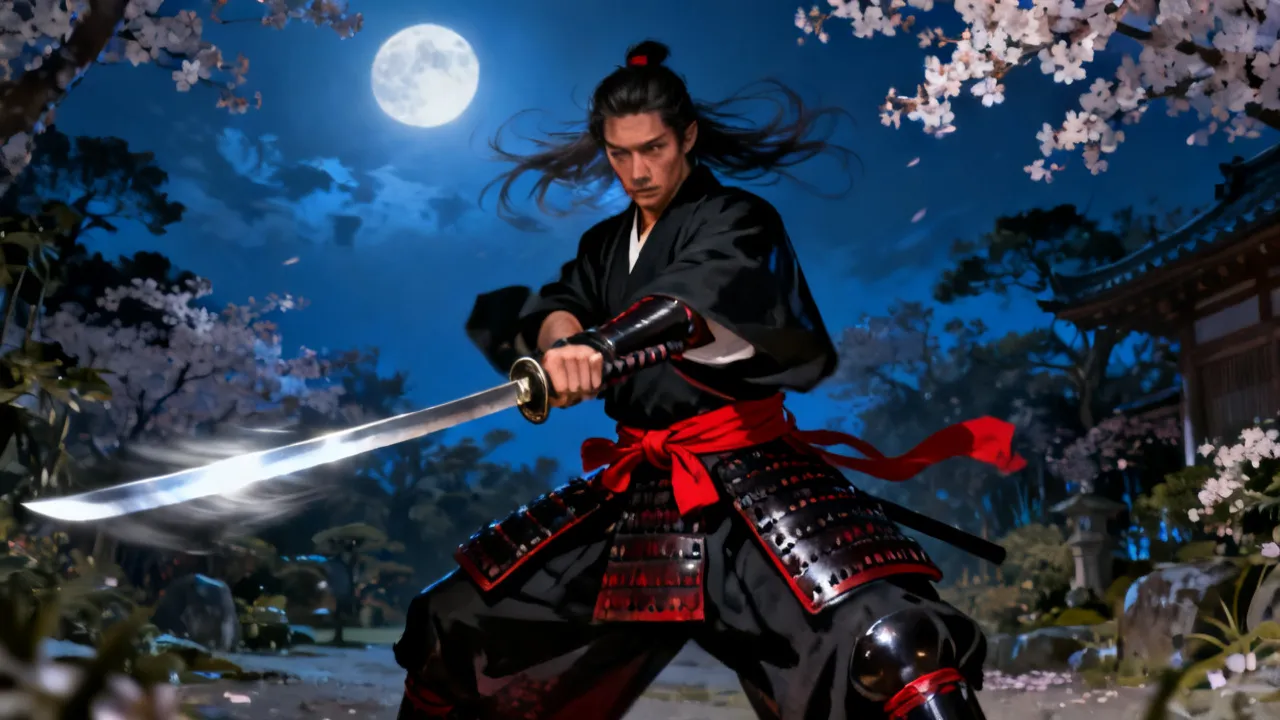
This article delves into the Shogun Assassination Arc, a pivotal storyline often discussed among enthusiasts of Japanese history and culture. The narrative intricately weaves together themes of honor, loyalty, and power struggles within feudal Japan. We'll explore the detailed elements that make this arc significant, alongside its characters and the profound impact it has had on storytelling related to Japan's past.
Introduction to the Shogun Assassination Arc
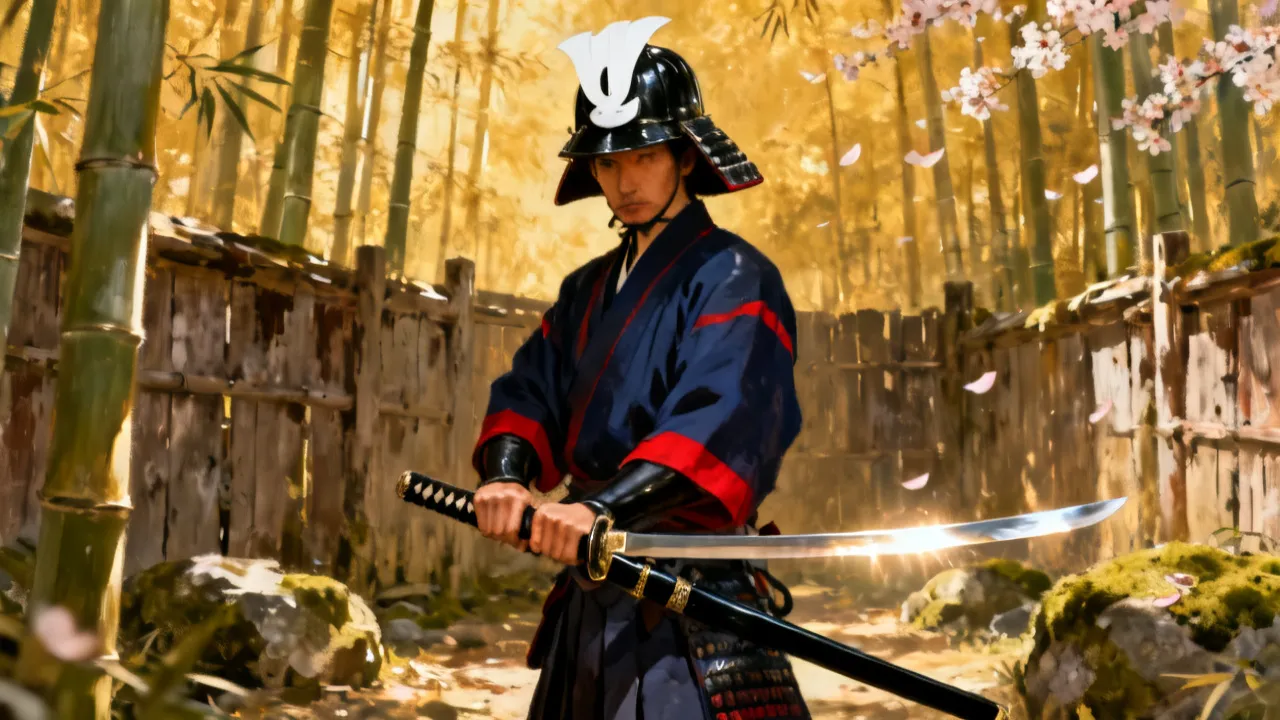
The Shogun Assassination Arc is a compelling tale rooted in the rich tapestry of Japan's feudal history. It is a narrative steeped in intrigue, political drama, and the complex interplay of power that defined the era of the shogunate. This arc is renowned for its intricate portrayal of samurai ethics, loyalty, and the delicate dance of alliances and betrayals. Set against the backdrop of a tumultuous Japan characterized by shifting allegiances and a society governed by rigid codes of conduct, this story captures the essence of what it meant to live as a warrior during this period.
Through its carefully crafted narrative, the Shogun Assassination Arc delves not only into the personal struggles of its characters but also into the larger societal issues that plagued the nation. The weight of familial loyalty often conflicts with individual honor, making for rich storytelling that resonates with both historical insight and emotional depth. This intersection of personal and political makes the arc a fascinating exploration of feudal Japanese society.
The Historical Context
To fully grasp the Shogun Assassination Arc, it's essential to understand the historical backdrop against which it unfolds. During Japan's feudal period, the shogunate held the reins of power while the emperor served as a figurehead. This created a delicate balance of governance that was often fraught with tension and power struggles.
The shogunate, a military dictatorship, emerged in the late 12th century, ushering in a new form of governance that drastically altered the Japanese political landscape. The first shogun, Minamoto no Yoritomo, established a system where the samurai class became the ruling elite, enforcing their will over the peasantry and often clashing with rival clans. The resulting conflicts, known as the Genpei War, paved the way for a feudal system that shaped Japan's socio-political framework for centuries.
As the centuries progressed, the power dynamics between the shogunate and the emperor fluctuated. The Kamakura period (1185-1333), followed by the Ashikaga period (1336-1573) and eventually the Tokugawa shogunate (1603-1868), each brought unique challenges. The Tokugawa era, in particular, is crucial for understanding the Shogun Assassination Arc as it represents the culmination of shogunal power and the subsequent decay that leads to internal strife and external conflicts.
The arc captures this dynamic, providing a fictionalized yet deeply engaging portrayal of these historical elements. As political machinations unfold, we see how samurai were not only warriors but also key players in the grand narrative of power, honor, and the pursuit of justice. The Shogun Assassination Arc provides vivid representations of the socio-political landscape of feudal Japan, highlighting how it influenced personal decisions and the fates of entire clans.
Key Characters and Their Role
The Shogun Assassination Arc introduces a host of characters, each pivotal in driving the storyline forward. Central to the plot are samurai warriors who embody the virtues of honor and loyalty, often finding themselves torn between duty to their lords and personal convictions. These characters serve as lenses through which the story examines the ethical dilemmas faced by those living under the shogunate's rule.
| Character | Role |
|---|---|
| Samurai Leader | Embodies the conflict between personal honor and duty. |
| Shogun | Represents power and authority within the arc. |
| Rebel Samurai | Challenges the status quo, representing change and resistance. |
| Advisor | Strategist who navigates political intrigues. |
| Assassin | Symbolizes the extremes of loyalty and betrayal. |
| Lady of the Clan | Embodies the struggles of women in a male-dominated society. |
The Samurai Leader serves as a moral compass for the narrative, often caught between the imperatives of duty to his lord and his own ethical standards. His journey reflects the broader conflicts facing samurai at a time of upheaval and uncertainty, where personal honor may clash with political obligations.
The Shogun, meanwhile, epitomizes the authority and grandeur of feudal leadership, yet his rule is tested by the mounting discontent among warriors and the common folk alike. He represents the complex challenges of governance in an era when the shogunate's control was increasingly questioned. His character often embodies the paradoxes of power—an authoritative figure who commands respect yet instills fear, making decisions that can lead to both loyalty and rebellion.
Contrasting the established order, the Rebel Samurai challenges the status quo. A radical at heart, this character raises vital questions about justice and the rights of the disenfranchised. Through their defiance, they represent the spirit of change that was brewing during the era and highlight the escalating tensions between traditional values and the necessity for reform. The Rebel Samurai's interactions with other characters sharply illustrate the complexities of loyalty, as friends may become foes depending on the circumstances.
The Advisor plays a critical role as a strategist, often depicted as wise and calculating. Tasked with navigating the treacherous waters of court politics, this character's machinations reveal the careful analytics required to survive amidst betrayal. The Advisor's perspective underscores the cerebral aspects of governance, demonstrating how knowledge and wisdom can be as deadly as a sword in the hands of a warrior.
In a stark contrast to the male-dominated world, the Lady of the Clan stands as a powerful testament to the fortitude of women in feudal Japan, often taking on roles that challenge the traditional gender norms of the time. Her influence within the clan provides a nuanced commentary on the intersection of gender and power, revealing how women could exert subtle influence despite societal constraints. Through her eyes, readers can explore the emotional and social ramifications of the events unfolding around her—a depiction often overlooked in traditional narratives.
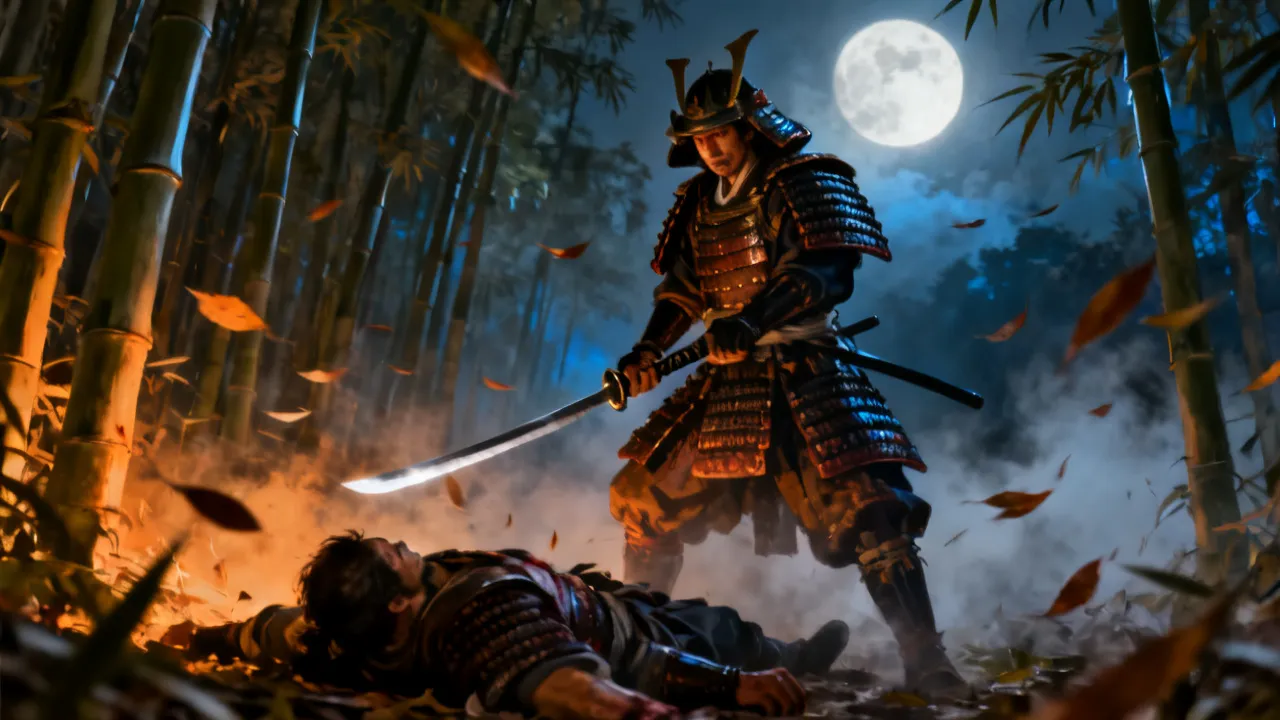
Finally, the Assassin serves as a dark reflection of the samurai's code, showcasing the lengths to which loyalty can drive an individual. This character embodies the ultimate betrayal, where a sworn ally may become an enemy under the right circumstances. The moral ambiguity surrounding the Assassin lends a complex layer to the narrative, prompting readers to ponder the nature of loyalty and the cost of vengeance.
Exploring the Themes
One of the very captivating aspects of the Shogun Assassination Arc is its exploration of timeless themes. Concepts such as loyalty, betrayal, and the pursuit of justice are woven throughout the storyline, prompting readers to reflect on their own moral compass. The inner struggles of each character highlight how deeply ingrained cultural values can conflict with individual desires, creating poignant moments within the narrative.
Loyalty, a central tenet of the samurai's code, serves as both a guiding light and a source of conflict. Characters grapple with their obligations to their lords versus their personal beliefs, often leading to heart-wrenching decisions. This theme resonates throughout the arc, illustrating how loyalty can be both virtuous and perilous. The consequences of such loyalties often manifest in unexpected ways, leading to tragic outcomes that emphasize the weight of duty borne by samurai.
Betrayal weaves through the narrative as an ever-present specter. Whether it takes the form of treachery within the ranks, a break of trust between allies, or the devastating choice to turn against one's own blood for the sake of a greater ideal, betrayal is portrayed not just as a plot device but as a fundamental aspect of human experience. The emotional toll of these betrayals reveals the fragility of relationships and the often-bleak reality of feudal life.
The pursuit of justice adds another layer of complexity to the arc. The Rebel Samurai's quest for a more equitable society sets the stage for debates surrounding moral righteousness versus the law. This thematic exploration invites readers to reflect on the nature of justice within oppressive systems, questioning whether ends justify means and how far one should go for upheaval against tyranny.
Additionally, the arc delves into the philosophical debates of the samurai code, or "bushido," highlighting the ethical quandaries that arise when personal honor conflicts with communal duty. The principles of bushido dictate unwavering loyalty, yet they also compel questions about morality and the values of the individual versus the collective. Characters find themselves in moments where adherence to these principles results in harm rather than good, pushing them to rethink their definitions of honor.
Lastly, the arc doesn't shy away from exploring themes of identity and self-discovery. As characters encounter existential dilemmas, they are forced to confront their own beliefs and values, leading to personal transformations that reflect the chaotic nature of their environment. This theme of searching for one’s identity in a world rife with conflict is particularly poignant, emphasizing that in times of upheaval, understanding oneself becomes a vital part of navigating external chaos.
The Cultural Impact
The Shogun Assassination Arc has had a significant impact on both modern storytelling and popular culture. It has inspired numerous adaptations, ranging from literature and film to anime and manga. Its influence is evident in the way contemporary narratives incorporate themes of power struggle and ethical dilemmas, often drawing parallels to historical settings reminiscent of the arc's feudal Japan.
In literature, the Shogun Assassination Arc has set a precedent for how narratives can fuse historical elements with compelling human stories. Writers have emulated its style, creating rich characters and immersive worlds that resonate with the complexities of the human experience. The portrayal of samurai as multifaceted individuals rather than mere archetypes has given rise to a more nuanced understanding of Japanese history in global literature.
In film and television, adaptations of the arc have found their way into various productions, capturing the imaginations of audiences worldwide. From epic cinematic portrayals of samurai battles to intimate dramas that explore the personal struggles of key figures, the allure of the arc's themes continues to inspire directors and screenwriters. The evolution of the samurai story has been pivotal in shaping the action genre, and the Shogun Assassination Arc remains a cornerstone of that evolution.
Anime and manga, in particular, have embraced the Shogun Assassination Arc, spawning countless series that draw from its rich themes and character archetypes. The visual medium has allowed for the exhilarating depiction of samurai combat and intricate plots, thereby reaching younger audiences and sparking an interest in Japan's feudal past. These adaptations also serve to bridge cultural gaps, introducing global audiences to concepts intrinsic to Japanese culture, such as honor, sacrifice, and the pursuit of justice.
The impact of the Shogun Assassination Arc extends beyond entertainment, engaging scholars and historians in discussions about feudal Japan. The themes explored within the arc often serve as catalysts for deeper explorations into sociopolitical structures, ethics, and the nature of power. Educational institutions frequently utilize such narratives as tools for teaching students about the complexities of history, encouraging critical thinking about the socio-political dimensions of the past.
The ongoing relevance of these themes in modern society cannot be overstated. Issues of power dynamics, ethical responsibilities, and personal convictions regularly echo in contemporary discussions about governance, justice, and morality. The Shogun Assassination Arc, in its rich tapestry of storytelling, continues to resonate, inviting audiences to reflect on the complexities of their own lives, values, and the systems within which they operate.
FAQs
Q: What is the Shogun Assassination Arc?
A: The Shogun Assassination Arc is a fictional narrative set in Japan's feudal period, exploring themes of power, honor, and loyalty among samurai and their interactions with the ruling shogunate.
Q: Why is the arc significant?
A: It offers a rich exploration of ethical dilemmas and the dynamics of power in historical Japan, influencing modern storytelling across various media.
Q: Are there historical figures represented in the arc?
A: While the arc is fictional, it draws inspiration from historical figures and events, creating a tapestry that is both informative and entertaining. Characters within the arc may parallel historical figures, creating a sense of authenticity in their struggles and experiences.
Q: How does the arc address the theme of loyalty?
A: The arc intricately examines loyalty through the personal conflicts faced by its characters. It showcases how loyalty to a lord can conflict with personal ethics, ultimately prompting characters to make heartbreaking choices that test their beliefs and commitments.
Q: What role does bushido play in the narrative?
A: Bushido, the samurai code, plays a crucial role in shaping the actions and motivations of characters within the arc. It serves as both a guiding principle and a source of conflict, revealing the complexities of honor, loyalty, and personal duty.
Q: In what ways has the Shogun Assassination Arc influenced modern media?
A: Its themes and characters have inspired adaptations across various media, including literature, film, and anime. This influence extends to storytelling techniques that explore the moral complexities of power and human relationships.
Conclusion
Understanding the Shogun Assassination Arc provides valuable insights into the complexities of feudal Japan, its code of samurai ethics, and the intricate power dynamics of the shogunate. The enduring appeal of this narrative lies in its ability to resonate with universal themes, making it a timeless masterpiece that continues to captivate audiences worldwide. Themes of loyalty, betrayal, and the quest for justice not only highlight the struggles of the characters but also challenge readers to consider their own values and beliefs in a world marked by chaos and uncertainty.
Moreover, the Shogun Assassination Arc serves as a reminder of the fluid nature of power and the ever-present potential for change. It illustrates how individuals, regardless of their station in life, can affect the course of history through their choices, further cementing its status as a significant work within both historical literature and modern storytelling traditions. As we continue to engage with its themes, the story of the Shogun Assassination Arc remains relevant, inspiring new generations to delve into the rich narrative of Japan’s past while reflecting on their own contemporary experiences.
In sum, the Shogun Assassination Arc stands not only as a captivating tale but as a lens through which we can explore the intricate tapestry of human emotion, ethical dilemmas, and the complexities of governance that echo across the ages. Its influences, messages, and narrative depth ensure that it will remain an integral part of discussions about samurai culture and the nature of power for years to come.
-
1

Discovering Springdale Estates
-
2
Complete Dental Implants in One Day
-
3
Navigating Senior Living Options
-
4
Transform Your Lifestyle: Discover the Elegance and Swift Convenience of Designer Prefabricated Homes!
-
5
Guiding Your Family Through the Conversation: Navigating a Lung Cancer Diagnosis Together