Decoding the Shogun Assassination Arc
The Shogun Assassination Arc is a revered storyline within the Japanese anime "Gintama," celebrated for its blend of history, drama, and intricate character development. This article explores the arc's central themes and its impact on the narrative, highlighting its contribution to the series' global acclaim. With its deep emotional arcs and strategic plot turns, it stands as a quintessential chapter that embodies the spirit of political intrigue and personal rivalry.
Introduction to the Shogun Assassination Arc
In the realm of anime, few storylines capture the complexity and emotional depth of the Shogun Assassination Arc from the acclaimed series "Gintama." This pivotal segment is a masterful blend of historical reverence and fictional storytelling, offering fans an unforgettable narrative filled with suspense, emotion, and intricate character dynamics. The rich tapestry of this storyline is punctuated with unpredictable turns, making it a remarkable highlight in the expansive world of anime.
This arc, situated in the concluding chapters of the "Gintama" series, showcases not only the adeptness of the creators in managing a large ensemble cast but also their ability to seamlessly intertwine humor with heartbreak. This innate duality stands as a hallmark of "Gintama," drawing in viewers with its unique tone. As the Shogunate faces its greatest threats, both from within and beyond its walls, the stakes soar high, compelling each character to reconsider their loyalties and their very sense of self.
The Historical Context Behind the Arc
"Gintama," set in an alternate Edo period, provides a unique lens through which historical narratives are reimagined. The Shogun Assassination Arc takes inspiration from Japan's rich samurai history, weaving in elements of political tension and class struggles that resonate with audiences worldwide. This backdrop is essential in understanding the motivations and actions of the characters who move against the ever-looming specter of fear and control that the Shogunate embodies.
The storyline reflects Japan's historical significance during the Edo era, a time characterized by peace under the Tokugawa shogunate and a rigid class system. The Shogun's authority stands in stark contrast to growing dissatisfaction among the populace. By incorporating such rich background elements, the arc offers a culturally infused narrative that parallels real historical events with artistic liberties, making it both educational and entertaining. The show delicately balances facts and fiction, using the historical setting not just as a backdrop but as a vital component in driving the narrative forward.
Core Themes and Narrative Structure
At its heart, the Shogun Assassination Arc explores themes of loyalty, betrayal, and the pursuit of power. The arc is characterized by its sharp narrative turns as alliances shift and characters face moral dilemmas, reflecting the unpredictable nature of political intrigue. It presents a chessboard of strategic maneuvers where personal motivations often conflict with communal duties. These dynamics are not only crucial to the unfolding drama but also serve as a mirror reflecting the viewers' real-life struggles with loyalty and power, especially in oppressive environments.
The storyline extends over several episodes, carefully laying out a progression that builds tension and emotional investment. Each episode contributes its part to the overarching narrative, creating a tapestry woven with suspense, action, and profound philosophical questions about duty, honor, and the cost of power. The narrative is structured to deliver punchy plot developments while maintaining a coherent and engaging storyline, a testament to the meticulous writing and direction of the series. These episodes often feature poignant cliffhangers that compel viewers to eagerly await the next installment, accentuating the arc’s ability to combine excitement with gravity.
Character Development and Emotional Depth
This arc is pivotal for character development, particularly for the central figures such as Gintoki, Shinpachi, and Kagura. The assassination attempt on the Shogun serves as a catalyst for these characters to confront their pasts and redefine their loyalties and identities. For Gintoki, the stakes are personal; he must confront his complicated relationship with authority and question the very foundation upon which he stands.
Gintoki, the protagonist, finds himself at a crossroads, forced to reconcile his personal history with the harsh realities of the present. His evolution during the arc is marked by a profound internal conflict, as he grapples with the consequences of his actions and the impact on those around him. Through his journey, Gintoki exemplifies the struggle of being a hero in a morally ambiguous world, offering viewers a deep psychological portrait of a character weighed down by both past and obligation.
Shinpachi and Kagura, while often serving as Gintoki’s comedic foils, are given moments of critical introspection that propel their development. Shinpachi’s desire to protect the people he holds dear highlights themes of righteousness and sacrifice; he must decide if he is willing to risk everything for the greater good. Conversely, Kagura’s fierce loyalty and determination to protect those she loves reveal both her strength and vulnerability, allowing her character to shine through the chaos of conflicts.
As arcs unfold, the exploration of secondary characters deepens the emotional resonance of the narrative. Characters such as Hijikata and Okita add layers to the story, illustrating the duality of their roles as both main antagonists and tragic figures shaped by their own histories and desires for change. The layers of complex relationships interwoven throughout this arc challenge the audience's perceptions of morality, creating a richly woven narrative tapestry.
Visual and Stylistic Elements
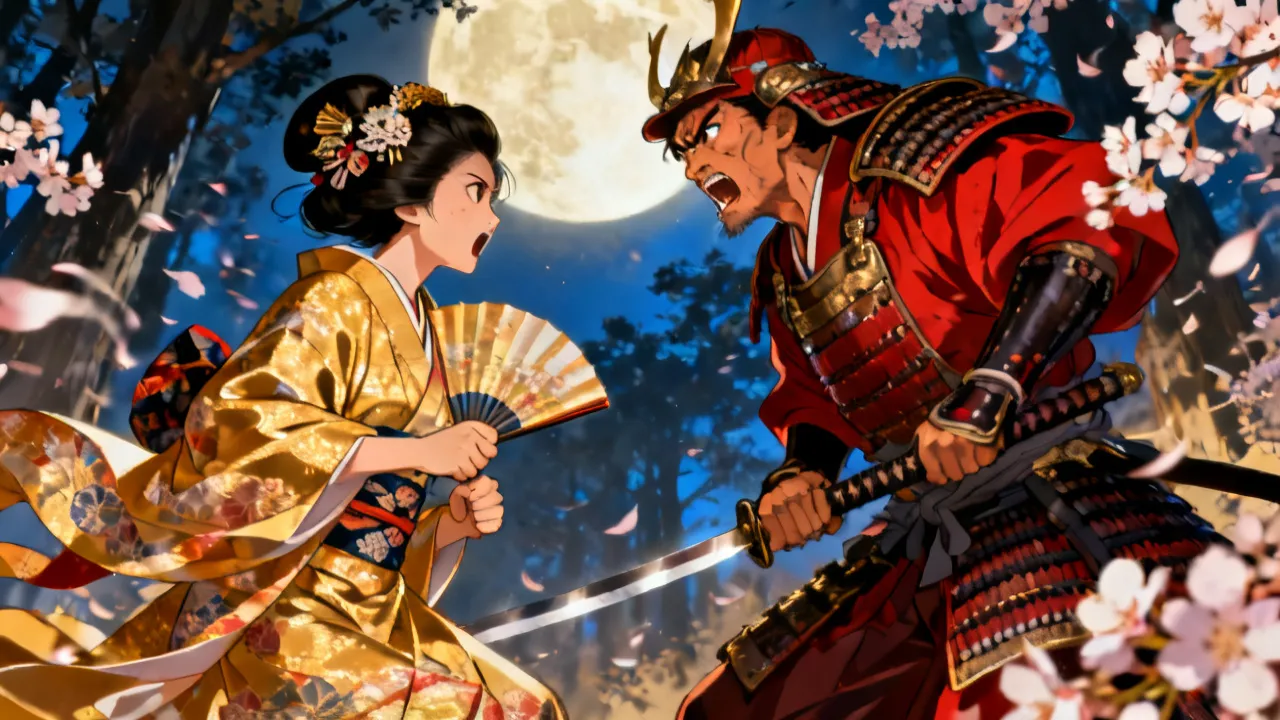
Visually, the Shogun Assassination Arc is a feast for the eyes. The animation captures the intensity of the era with precision, using a palette that accentuates the dramatic tones. Each scene is carefully crafted to enhance emotional resonance, from the elaborate battle sequences to the quieter, introspective moments. The artistry involved in portraying both the grand sweeping landscapes of Edo and the intimate settings of character interactions showcases the animation team's talent and dedication.
The series' renowned art style is evident, blending traditional Japanese aesthetics with modern animation techniques. The result is a visually compelling narrative that adds depth to the storyline through stunning imagery and meticulous attention to detail. The characters are designed with striking visual flair, embodying their personalities through artistic choices in their appearances, such as the juxtaposition of bright, colorful clothing against the darker thematic elements of betrayal and conflict.
Moreover, the action sequences throughout the arc utilize a combination of fluid animation and dynamic camera angles, ensuring that viewers are enthralled by the intensity of each battle. These scenes not only serve to advance the plot but also reflect the emotional stakes involved for each character, visually conveying the struggle between loyalty and ambition.
Impact on the Series and Audience Reception
The Shogun Assassination Arc stands out as one of "Gintama's" most impactful storylines, noted for pushing the series into new territories of storytelling and character exploration. It has received critical acclaim for its bold narrative choices and willingness to tackle complex themes with nuance. This arc is frequently cited as one of the defining moments of the series, elevating "Gintama" beyond simple gag humor to a more profound and reflective commentary on life, duty, and friendship.
Its reception underscored the series' capacity to balance humor with serious drama, solidifying "Gintama" as a beloved staple in the anime landscape. Viewers praised the emotional weight and sophistication of the writing, which elevated the story above standard shonen fare. The arc’s success also highlighted the broader appeal of anime genres that delve into historical and geopolitical narratives, inspiring other series to adopt similar approaches to storytelling.
In conversations about the legacy of "Gintama," the Shogun Assassination Arc is often referenced as a prime example of what can be achieved when creators embrace complexity and depth. The emotional hurdles faced by characters resonate with viewers, offering a universal reflection on hardship and the human experience. This has contributed to its strong fanbase, with many revisiting the arc not just for entertainment but also for its psychological insights and emotional truths.
Further Exploring the Characters of the Arc
To delve deeper into the character dynamics of the Shogun Assassination Arc, we must consider the supporting cast that plays critical roles in enriching the narrative tapestry. Characters like Katsura, who find themselves at odds with both the Shogunate and their own ideals, add depth to the themes of loyalty and resistance. Their complexities are elegantly portrayed through the series' narrative structure, which juxtaposes their revolutionary aspirations against the mundane yet profound struggles faced in the episodes.
Katsura, a friend and ally of Gintoki, exemplifies the struggle of navigating loyalty in a tumultuous political environment. His journey poignantly reflects the costs of leadership and the weight of expectations placed upon those who stand against oppressive powers. The emotional turmoil he faces while trying to remain true to his principles offers a compelling counterpoint to Gintoki’s broader existential crisis.
Moreover, the arc thoughtfully presents antagonists like Takasugi, whose philosophies clash with Gintoki’s worldview. Takasugi's narrative reveals the tragic consequences of a life guided by revenge and deep-seated anger against the Shogunate, creating an intricate web of conflict that explores the fine lines between heroism and villainy. The personal histories of such characters emphasize how intertwined personal motives can become in the grand narrative of national politics, culminating in an explosive confrontation that is rich with both action and emotional gravity.
The Musical Score’s Influence
An often overlooked element of the Shogun Assassination Arc is its musical score, which plays a pivotal role in enhancing the emotional depth of the story. The composition, crafted by acclaimed anime musicians, utilizes various musical motifs that capture the spirit of different scenes, heightening suspense during intense moments and inducing empathy in more reflective scenes.
For instance, during pivotal fight sequences, the music incorporates rapid beats and dramatic crescendos that amplify the stakes and adrenaline, pulling viewers into the thrill of battle. Conversely, softer melodies accompany moments of introspection, allowing the audience to connect deeply with the characters’ emotional journeys. This musical layering is significant as it reinforces the thematic elements of the arc, celebrating the harmony between sound and visual storytelling.
The Broader Implications of the Story
The Shogun Assassination Arc does not merely entertain; it prompts audiences to reflect on broader societal issues such as power dynamics, governance, and individual agency. Through the lens of Edo-period Japan, the series explores themes that resonate universally, including rebellion against tyranny and the complexities of leadership. By portraying a historical period defined by stability and control as one rife with conflict and personal struggles, “Gintama” invites reflections on modern governance and the nature of authority.
This relevance extends beyond the confines of anime viewership, as it encourages discourse on political systems, ethical authority, and the costs of loyalty. Given the volatile political landscape many countries face today, the underlying messages of the arc gain new significance, providing a framework for understanding contemporary issues through the stories of fictional characters.
Exploring Fan Culture and Community Response
The impact of the Shogun Assassination Arc has transcended the screen, fostering rich fan cultures and communities driven by the themes and characters introduced within it. Fan art, discussions, and cosplay proliferate around this storyline, with numerous interpretations and adaptations blossoming from the material. Community engagement can be seen in various forms—forums dedicated to analyzing the moral complexities faced by characters, to social media hashtags celebrating key moments of the arc, memorializing its lasting influence on viewers.
Moreover, the arc inspired many fan-made works, showcasing the versatile interpretations of its themes and characters. An entire subgenre of fan fiction emerged, exploring alternate storylines and characters’ backgrounds, allowing fans to expand their imaginative engagement with the "Gintama" universe. This also emphasizes the arc’s significance in fostering creativity within the community, where fans feel empowered to reimagine narratives and explore character depths that resonate with them personally.
Conclusion
The Shogun Assassination Arc is a testament to the narrative complexity and emotive storytelling of "Gintama." It not only enriches the series' overarching plot but also cements its place in anime history as a remarkable blend of historical drama and contemporary narrative innovation. Whether a fan of anime or interested in Japanese culture, this arc offers a compelling exploration of human nature and societal influences, ensuring its legacy will continue to be discussed and appreciated by audiences globally.
As discussions around the arc unfold, one cannot help but acknowledge the enduring lessons encapsulated within its narrative. The examination of loyalty, moral conflict, and the pursuit of a just society echoes through time, compelling each new generation to reflect on these complex themes. Ultimately, the Shogun Assassination Arc stands out not merely as a story but as a conversation starter, a cultural artifact that continues to resonate within and beyond the anime fandom, forever solidifying its impact on popular culture.
-
1

Discovering Springdale Estates
-
2
Complete Dental Implants in One Day
-
3
Navigating Senior Living Options
-
4
Transform Your Lifestyle: Discover the Elegance and Swift Convenience of Designer Prefabricated Homes!
-
5
Guiding Your Family Through the Conversation: Navigating a Lung Cancer Diagnosis Together