Unveiling the Shogun Assassination Arc
Experience the intrigue and drama of the Shogun Assassination Arc, a pivotal storyline exploring themes of betrayal, loyalty, and power dynamics within feudal Japan. As an enthralling narrative set in a pivotal era, this arc captivates with rich character development and a profound exploration of historical and cultural elements.
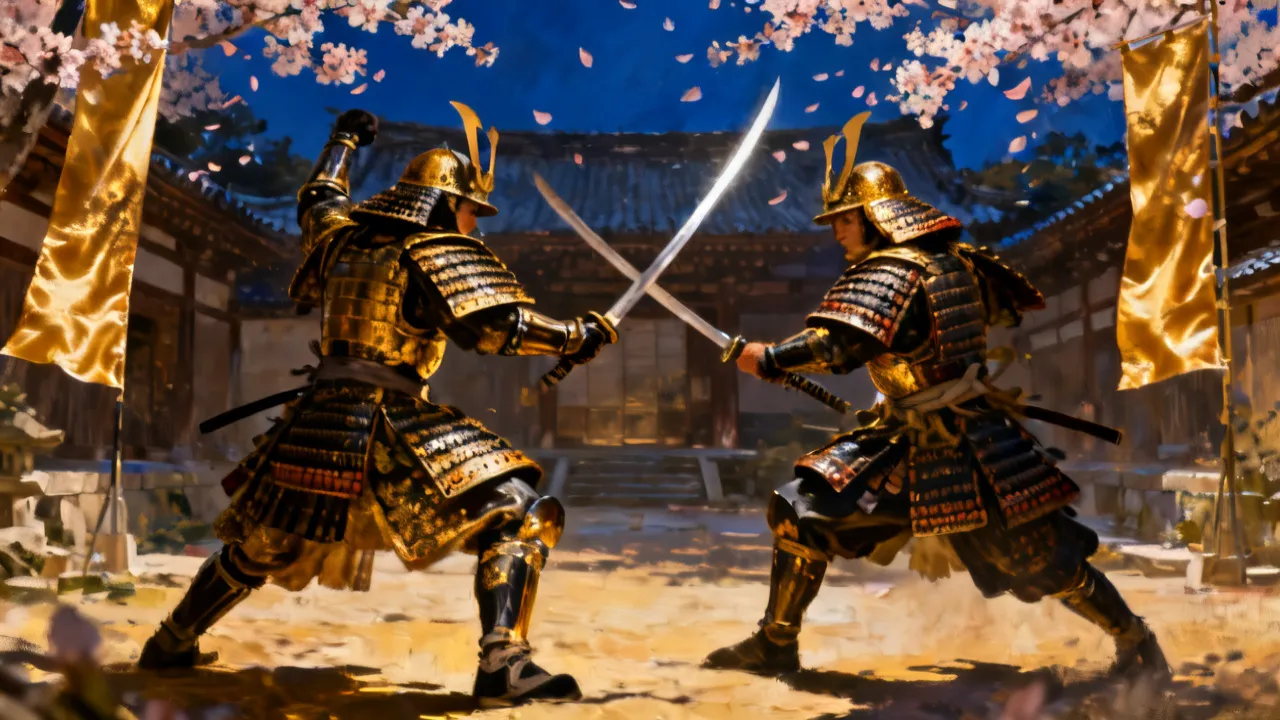
Introduction to Shogun Assassination Arc
The Shogun Assassination Arc stands as one of the very gripping narratives in Japanese historical fiction and entertainment. Set against the tumultuous backdrop of feudal Japan, this arc is a masterfully woven tale of political intrigue, personal vendettas, and the complex interplay of loyalty and betrayal. Within this story, both fictional and factual elements coexist, providing a glimpse into the rich tapestry of Japan's past. This arc not only serves as a riveting storyline but also acts as a mirror reflecting the socio-political climate of a bygone era.
Plot Overview and Themes
At its core, the Shogun Assassination Arc delves into the upheaval caused by an attempt to overthrow the ruling Shogun. The narrative weaves through various layers of conspiracies and clandestine operations, unfolding a saga where each character is drawn into a web of deception and allegiance. Themes of honor, loyalty, and the eternal struggle for power are deeply explored, offering readers and viewers an immersive insight into the psychology and ethos of the samurai. Within this context, the story also highlights the burdens of leadership, the moral dilemmas faced by its characters, and the devastating consequences that ensue from betrayal.
The emotional depth of the narrative is amplified by the characters' experiences as they navigate through a world fraught with shifting allegiances. The exploration of loyalty often challenges the characters' relationships, making them question the very foundations of their bonding and commitment. This narrative twist accentuates how trust can be both a weapon and a shield in the fierce conflicts of power.
Key Characters and Development
- Shogun Sadasu: The central figure whose leadership is questioned and undermined by opposing forces. Sadasu is portrayed as a complex character, embodying traits such as wisdom and ruthlessness, which reflect the duality of his position. His struggle for control amidst the brewing assassination plot illustrates the heavy weight of responsibility a leader must shoulder.
- Swordsman Gintoki: A formidable warrior who is reluctantly drawn into the conflict, showcasing his internal struggle between personal morality and external duty. Gintoki's character development is marked by profound moments of introspection, frequently clashing with his sense of justice and loyalty to his comrades.
- Loyal Retainers: Various allies whose personal motivations and histories intricately affect the outcome of the assassination attempt. Each retainer brings their own unique perspective and emotional baggage to the story, enriching the narrative with diverse insights into the era's complex social fabric.
Each character is depicted with nuanced intricacies, demonstrating growth and depth that enhances the overarching tension and excitement of the arc. As the plot progresses, alliances shift, and the participants are faced with morally ambiguous choices that leave a lasting impact on their identities and destinies.
Historical Context and Cultural Significance
Set in a time when Japan was undergoing significant transformation, the Shogun Assassination Arc provides a fascinating portrayal of the power dynamics and socio-political pressures of its era. The narrative is enriched by incorporating aspects of actual historical events and settings, from the mighty castles to the bustling streets of Edo during its peak. The depictions of bushido, the way of the warrior, and samurai ethics provide authentic glimpses into past cultural paradigms.
This cultural significance extends beyond mere storytelling; it serves as a reminder of the complex interplay between historical fact and fiction. The tension between various factions—loyal samurai, opportunists, and political assassins—mirrors the true conflicts faced during the Edo period, where the merge of politics and bushido created a volatile atmosphere.
| Aspect | Significance |
|---|---|
| Betrayal | Central to the storyline, betrayal tests the integrity and resolve of the characters involved. It highlights how trust can erode swiftly and how past associations come into question. |
| Loyalty | Portrays complex relationships and the weight of personal honor and duty. The arc delves deeply into how loyalty can sometimes compel individuals to act against their better judgment. |
| Historical Backdrop | Grounds the narrative in a distinctly Japanese setting, highlighting cultural and social history. The accuracy of the events, attire, and practices depicted helps contextualize the story for a modern audience. |
| Power Dynamics | Illustrates the struggle for power among various factions. The constant shift in alliances and enmities reflects the unpredictable nature of feudal politics. |
| Samurai Ethics | Through the lens of samurai culture, the narrative evaluates concepts of honor, bravery, and sacrifice, enriching the portrayal of character motivations. |
Analysis from an Expert's Perspective
From an industry expert's point of view, the Shogun Assassination Arc is lauded not just for its thrilling storyline but also for its ability to humanize historical figures and fictional characters alike. It draws attention to the nuanced understanding of power structures in historical Japan, encouraging deep reflection on how the past shapes storytelling techniques and cultural interpretations. The richness of character arcs and their moral struggles stand as a testament to the arc’s depth.
The arc's impact on popular culture is undeniable, influencing various media, including anime, manga, and live-action adaptations. Experts note that the representation of feudal Japan in this arc has become a significant reference point for many creators. The juxtaposition of honor against the harsh realities of betrayal and political machination highlights an essential characteristic of the samurai ethos, making the story resonate with audiences seeking depth in narratives concerning power struggles.
Moreover, the expert commentary emphasizes the potential for this arc to foster discussions around historical accuracy, cultural legacy, and the relevance of such themes in contemporary society. The conflicts between personal integrity and societal expectations are explored with a subtlety that allows for various interpretations, prompting viewers and readers to engage with the material on both emotional and intellectual levels.
FAQs
- What is the Shogun Assassination Arc?
- Why is this arc significant?
- Has the arc influenced other media?
- What lessons can be drawn from the Shogun Assassination Arc?
- How does the depiction of samurai culture in this arc compare to historical realities?
This arc is a narrative from Japanese historical fiction that centers around an assassination attempt on the Shogun, interwoven with themes of intrigue and loyalty. It maintains a blend of real historical context with dramatized fictional accounts that captivate audiences.
It offers a profound exploration of historical themes, character development, and insights into the feudal era's societal norms. The complexities addressed within the narrative provide a rich ground for thematic exploration, making it an essential study for enthusiasts of historical fiction.
Yes, it has inspired various adaptations across anime, manga, and other entertainment forms, reflecting its widespread cultural impact. The archetypes and narratives seeded from this arc have served as foundational elements for many contemporary stories set in similar contexts.
This arc presents significant lessons about the nature of power and its effects on both individuals and society at large. The exploration of honor versus expedience teaches valuable lessons about moral complexities and character resilience in the face of adversity.
The depiction of samurai culture in the arc, while fictionalized, reflects many core aspects of actual samurai ethics and practice. However, it is essential to interpret these representations with a critical lens, assessing how historical realities are dramatized for narrative depth and emotional engagement.
In conclusion, the Shogun Assassination Arc stands as a timeless narrative, merging fiction with historical truth to deliver a compelling exploration of human motives and the era that shaped them. Its ability to capture the essence of feudal Japan and relay it innovatively is what continues to captivate audiences worldwide. The interplay of intense character dynamics, the ethical struggles of leadership, and the layers of betrayal and loyalty serve as enduring themes that bridge the past and the present, inviting continual reflection and discussion.
Cultural Reflections in Contemporary Society
As the Shogun Assassination Arc resonates with audiences today, it evokes reflections on similar themes in contemporary society. The examination of loyalty, power struggles, and ethical dilemmas is a perpetual narrative that stretches beyond historical confines and remains prevalent in modern political discourse and social interactions. The rise of social media, for instance, presents new dynamics of loyalty and betrayal, mirroring the complexities faced by characters within the narrative.
In a world increasingly driven by digital interactions, the underlying message of being true to one's moral compass echoes the values espoused through the shogunate era tales. As individuals navigate through layered relationships—whether they be in personal life, workplace environments, or virtual communities—the lessons of integrity and the consequences of betrayal become increasingly relevant.
Moreover, the cultural significance of the Shogun Assassination Arc can be observed in its influence on contemporary storytelling techniques. Modern narratives often utilize similar structures of conflict, betrayal, and moral ambiguity to engage audiences. Filmmakers and writers frequently cite feudal Japan as an inspiration for stories that examine the darker aspects of human nature and the price of ambition.
Artistic Depictions and Representation
The Shogun Assassination Arc has also paved the way for a variety of artistic expressions, from vibrant manga illustrations to epic anime adaptations that highlight the aesthetic beauty of the era. The artistic representation of samurai battles, intricate armor, and the serene landscapes of feudal Japan captures the imagination of artists and audiences alike. This visual storytelling serves as a complement to the narrative, enhancing the emotional impact of the storyline.
In anime adaptations, the action sequences are often choreographed to reflect not only the physical prowess of the characters but also the underlying philosophical dilemmas they face. The fusion of art and narrative in this arc serves as a reflection of how historical themes can transcend time, resonating with modern audiences through dynamic visuals and compelling storytelling.
Impact on Future Generations
As future generations delve into historical narratives inspired by the Shogun Assassination Arc, it serves as a crucial educational tool. By exploring the complexities of power and ethics within the framework of feudal Japan, students and history enthusiasts can garner insights into how societal structures influence individual actions and collective outcomes.
The arc encourages a critical examination of loyalty and integrity, allowing young minds to ponder questions about their own spheres of influence and the moral choices they encounter. The discussions spurred by this narrative continue to play a vital role in understanding cultural evolution, historical legacy, and the pertinence of ethics in various walks of life.
Conclusion
In essence, the Shogun Assassination Arc is more than merely a tale of intrigue and betrayal. It embodies the struggle of humanity to uphold values of honor and loyalty against a landscape fraught with challenges. Its lessons ripple through time, maintaining relevance in contemporary discussions of ethics, social dynamics, and the human condition. As audiences continue to engage with this arc, they reflect not only on the historical elements but also on the timeless truths about human nature and societal constructs it reveals. The enduring legacy of the Shogun Assassination Arc remains a testament to the power of storytelling in bridging the past with the present, ultimately shaping cultural consciousness across generations.
-
1

Discovering Springdale Estates
-
2
Complete Dental Implants in One Day
-
3
Navigating Senior Living Options
-
4
Transform Your Lifestyle: Discover the Elegance and Swift Convenience of Designer Prefabricated Homes!
-
5
Guiding Your Family Through the Conversation: Navigating a Lung Cancer Diagnosis Together