The Intrigue of Shogun Assassination Arc
The Shogun Assassination Arc presents a thrilling story of power struggles and intricate politics within a fictional historical setting. As one of the very compelling arcs in anime storytelling, it explores the tumultuous events surrounding the attempted assassination of a powerful leader. This article dives into the arc’s narrative, its impact on fans and critical interpretations, showcasing its significance in pop culture.
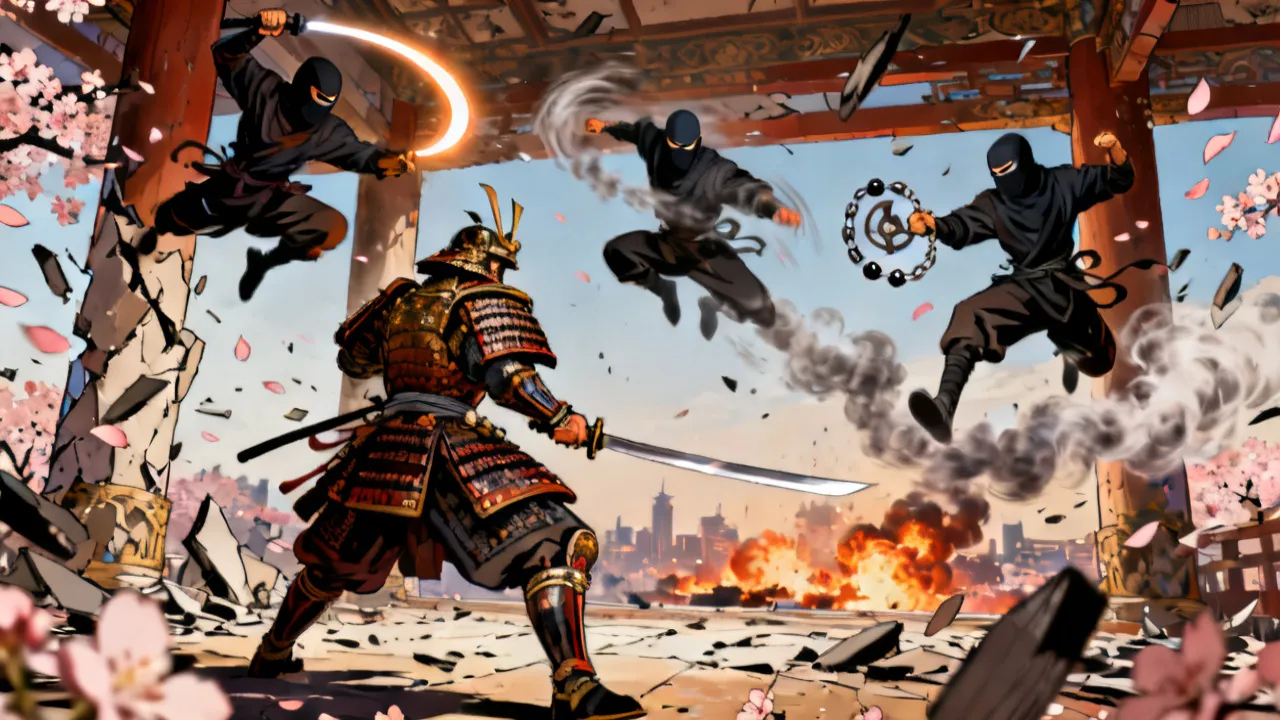
Introduction to Shogun Assassination Arc
The Shogun Assassination Arc is renowned among enthusiasts of anime and manga, capturing imagination through its riveting tale of intrigue and power struggles. This particular arc unfolds within the celebrated series "Gintama," created by Hideaki Sorachi, and it is lauded for its profound narrative depth, complex characters, and thrilling action sequences. The Shogun Assassination Arc is a critical turning point within "Gintama," bringing to the forefront themes of loyalty, betrayal, and the brutal nature of political ambition. Its intricate storytelling makes it a pillar in the anime community, paving the way for deeper discussions about morality and the nature of authority.
A Brief Overview of Gintama
"Gintama" is set in a unique universe where the Edo period meets futuristic elements. This series, known for its humor infused with drama and action, pushes the boundaries of traditional storytelling. Characters interact with historical and fictional figures in a cleverly constructed world that blends the evolution of technology with the serene aesthetics of ancient Japan. Within "Gintama," the Shogun Assassination Arc stands out prominently due to its meticulous plotting and emotional weight. Particularly notable is the show's ability to juxtapose comedic elements with severe situations, creating a compelling and unpredictable narrative that has captivated audiences for years.
The Narrative Essence
The arc focuses on a conspiracy to assassinate the Shogun, an event that involves numerous factions and leads to intense political maneuvers. This conspiracy acts as the main plot thread, drawing in various stakeholders with different motivations and agendas. At the interplay of power lies a web of loyalties and betrayals, challenging the morality and resolve of key characters. The protagonists, a group known as the Odd Jobs trio—Sakata Gintoki, Shinpachi Shimura, and Kagura—are drawn into the fray, deepening the stakes not only for their survival but for the stability of the nation. Each character offers a unique perspective, reflecting their backgrounds and personal struggles, which enriches the storyline significantly. As events unfold and tensions rise, viewers are treated to a tapestry of characterization and plot development that showcases Sorachi’s creativity and storytelling prowess.
Significance in Anime Culture
The Shogun Assassination Arc is often cited by critics and fans alike as one of the defining moments of the series, praised for its ability to blend humor with gut-wrenching drama seamlessly. The rapid shifting of tones—from light-hearted comedic segments to somber, heart-wrenching scenarios—offers a cinematic experience that resonates strongly with viewers. It is this rare combination that elevates the arc and cements its place in anime history. Fans appreciate not only the character development but also the richly woven narrative that explores themes of loyalty, honor, and the pursuit of justice. Moreover, the arc has sparked discussions about the ethical dilemmas faced by characters, compelling viewers to reflect on their own beliefs about leadership, loyalty, and the limits of justice. This connection between the viewer and the narrative underscores the arc’s impact on anime culture.
Character Dynamics
The arc prominently features characters with complex backstories and motivations. For instance, Shogun Tokugawa Shige Shige emerges as a pivotal character whose destiny influences the arc's outcome. He is portrayed not just as a ruler but as a deeply flawed individual yearning for legitimacy and respect in an era marked by unrest and expectation. His interactions with Gintoki and the other primary characters reveal a compelling portrait of a man caught between duty and desire. Supporting players, such as the stern yet loyal Mimawarigumi and the steadfast Shinsengumi, add layers of complexity, enriching the storyline and adding gravitas to the conflict. Characters like Hijikata Toshiro and Okita Sougo demonstrate the themes of loyalty and honor within their own ranks, acting as foils to the Odd Jobs trio. The relationships these characters have with each other—often characterized by trust, rivalry, and unexpected camaraderie—allow for significant emotional depth that heightens the stakes throughout the narrative. The tension brought by these interactions serves to remind viewers of the human elements underlying grandiose political schemes.
Cultural Influences and Historical References
While Gintama is fiction, it cleverly incorporates elements from Japan's history, particularly the tumultuous times of the Edo era. By aligning historical events and figures with fictional elements, Sorachi presents a narrative that feels both authentic and resonate. The assassination plot serves as a metaphorical exploration of Japan’s own political upheavals, making a commentary on the cycle of violence that pervades not just this fictional landscape but history itself. The prominent themes of honor, duty, and the moral dilemmas faced by individuals highlight a cultural ethos that values loyalty and social order, reflective of historical Japanese sentiments. The palatable mix of factual and fantastical elements brings authenticity to the narrative, providing viewers with insight into Japanese cultural nuances while maintaining an engaging storyline. This unique blend allows fans from various backgrounds to find common ground in the shared themes of honor and responsibility, emphasizing that Gintama is more than just humor and absurdity, but a finely articulated reflection on society.
The Art of Storytelling
Sorachi's knack for storytelling shines brilliantly in this arc through his use of humor, timing, and character-driven narratives. The blend of witty dialogues, dynamic pacing, and plot twists keeps viewers on the edge of their seats, ensuring the arc’s status as a fan favorite. Sorachi deftly employs comedic relief in moments of high tension to lighten the atmosphere before plunging into darker themes. This interplay of humor and drama captivates audiences, creating a viewing experience rich in emotional contrasts. Furthermore, the pacing of the arc allows for moments of introspection that develop characters beyond their archetypes. With numerous plot twists that reshape character dynamics and motivations, viewers are constantly urged to rethink their assumptions about each character’s role in the story. This layering of narrative complexity encourages fans to engage more deeply with the material, analyzing character decisions and questioning motives—a testament to Sorachi's talents as a storyteller.
An Analysis of Themes
The Shogun Assassination Arc delves into profound themes such as sacrifice, leadership, and the complexity of human relationships. This complexity of relationships can be seen as characters are forced to make decisions that lead to both personal and collective consequences. The storyline deftly navigates through the moral ambiguities faced by its characters, portraying that in the battle of power and principles, each individual must forge their own path amidst chaos. Moreover, the theme of leadership is scrutinized from multiple angles. The Shogun, despite his position of power, faces criticisms and challenges to his authority that reveal the often fragile nature of governance. Characters like Gintoki and Hijikata represent different facets of leadership, with Gintoki often embodying the reluctant hero who shuns authority while Hijikata embraces the burdens of command. Their interactions become a critical exploration of what it means to lead, revealing the sacrifices and responsibilities that come with power. As the characters grapple with questions of loyalty and betrayal, the arc elevates these themes into a rich, immersive experience that resonates with viewers on many levels.
Impact on Audience and Pop Culture
This arc has led to substantial discourse among anime circles online, spawning theories, fan art, and extensive discussions on platforms like forums and social media. The complex narratives and intense character dynamics fuel debates about character motivations and moral dilemmas in anime, making it a hot topic among fans. They dissect individual episodes, searching for hidden meanings or foreshadowing, which has become a hallmark of the Gintama fan experience. Additionally, the Shogun Assassination Arc has positioned itself as a cultural touchstone for examining the intricacies of political storytelling within a non-traditional format like anime. It has influenced a generation of anime creators and writers eager to incorporate nuanced narratives and character arcs into their work. The arc’s combination of humor and weighty themes demonstrates a unique strength of anime as a medium that can convey complex ideas while entertaining—a principle that many strive for in their own storytelling. The impact can also be seen in various fan tributes, including cosplay, fan art, and fictional narratives inspired by beloved characters. The dialogues and moments from the arc have been quoted countless times, reflecting the solid imprint it has left on the collective memory of its audience. This arc, thus, continues to thrive in fandom culture long after its airing, showcasing the enduring power of engaging storytelling.
FAQs
- What makes the Shogun Assassination Arc unique?
The arc’s uniqueness lies in its ability to weave complex political narratives with compelling character arcs, paired with humor and historical references, making it a standout in anime storytelling. The dynamic interplay of these elements results in a rich narrative tapestry that resonates with viewers. - Why is the Shogun Assassination Arc so popular among fans?
It carries an emotional depth and intense narrative structure that captivates audiences, combined with vibrant character development and dramatic stakes. Fans relate deeply to the ethical dilemmas faced by characters, creating a strong emotional investment in their journeys. - How does the arc reflect historical influences?
It incorporates Edo-era elements and historical tensions, intertwining them with futuristic themes, creating a narrative that resonates with both history enthusiasts and fans of imaginative worlds. The sociopolitical landscape of the arc mirrors real historical conflicts, which adds layers of complexity to the storytelling. - What kind of character development can be expected in this arc?
The characters undergo significant growth and transformation, particularly in terms of their relationships with each other and their moral compass. The arc challenges them to confront their beliefs about duty, justice, and sacrifice, allowing for powerful moments of realization and change. - How does the use of humor affect the arc's narrative?
Humor serves as both a coping mechanism for characters and a tool for storytelling, contrasting the dire situations they face. This balance between comedic levity and serious themes keeps viewers engaged and allows for deeper reflections on the characters’ struggles.
Conclusion
The Shogun Assassination Arc remains a significant piece within the "Gintama" series, showcasing the artistry and narrative innovation that has put anime on the global cultural map. It stands as a monument to the genre, exemplifying the potential of anime to tell stories that are not only entertaining but also thought-provoking. For both long-time fans and new viewers, the arc offers a powerful reflection on the nature of power, loyalty, and the ramifications of political intrigue. As audiences continually delve into the rich layers of this arc, they reinforce the notion that "Gintama" is not simply a series of comedic episodes but an intricate, layered exploration of humanity itself.
Further Exploration of Gintama's Legacy
As fans of "Gintama" continue to explore the Shogun Assassination Arc and the series as a whole, it becomes evident that the legacy of this story extends beyond its original airing. The impact of the series has transcended cultural boundaries, sparking interest in the unique blend of genres and storytelling styles that it employs. Gintama has inspired countless discussions not only around anime creation but also within larger conversations about narrative philosophies across diverse mediums. The show's ability to juggle various genres—comedy, drama, action, and even social commentary—has encouraged a generational shift in how creators think about storytelling. Many contemporary anime and manga artists cite "Gintama" as a significant influence, pushing them to innovate traditional storytelling structures. The Shogun Assassination Arc, in particular, showcases Sorachi's skill in maintaining character integrity while navigating complex narrative challenges, setting a standard for future anime works. Understanding Gintama and its acclaimed arcs like the Shogun Assassination invites both new and veteran fans to appreciate the nuances of storytelling in anime. It pushes audiences to reflect on deeper thematic elements such as moral dilemmas and emotional growth, thus leaving a lasting impression that continues to spark interest in the realm of animated storytelling. In this way, Gintama lives on, continuing to engage and inspire as it explores the intricacies of life, society, and the human condition through its delightful yet poignant lens.
Final Thoughts on Character Relationships
One cannot discuss the Shogun Assassination Arc without acknowledging the profound relationships that evolve amidst the chaos. The bonds formed and tested among characters provide an additional layer of narrative depth, enhancing both the emotional weight and the stakes involved. Whether in moments of camaraderie or conflict, these relationships serve as a reflection of their respective struggles. Gintoki’s role as a reluctant hero, for example, reveals the burden of leadership and responsibility. His relationships with characters like Shinpachi and Kagura highlight themes of friendship and loyalty—echoing a familial bond that persists even in adversity. Their interactions provide moments of levity amid serious undertones, displaying how relationships can be a source of strength, support, and courage. The rivalries within the arc, particularly between the Odd Jobs crew and the Mimawarigumi or the Shinsengumi, display the nuanced dynamics of competition and respect. The rivalry with Hijikata also illustrates how conflict can breed camaraderie, emphasizing that even adversaries share the same goals of protecting their loved ones and society. These facets of character relationships serve to reinforce the importance of alliances, trust, and understanding in overcoming challenges. Ultimately, the interplay of relationships—marked by humor, conflict, and growth—cements the Shogun Assassination Arc’s position as a deeply resonant and memorable chapter in "Gintama." The depth of these connections echoes through the storytelling, encouraging audiences to reflect on their own interpersonal dynamics and the values that guide their lives.
-
1

Discovering Springdale Estates
-
2
Complete Dental Implants in One Day
-
3
Navigating Senior Living Options
-
4
Transform Your Lifestyle: Discover the Elegance and Swift Convenience of Designer Prefabricated Homes!
-
5
Guiding Your Family Through the Conversation: Navigating a Lung Cancer Diagnosis Together