Exploring the Study by Heuvel & Bondarouk
This in-depth article examines the significant study by Heuvel & Bondarouk, 2016, offering insights into human resource management, organizational learning, and technology integration. The research was pivotal in developing our understanding of HR practices and technological advancements in workplaces. It provides a crucial analysis for businesses aiming to enhance HR functions.
Introduction to Heuvel & Bondarouk Study
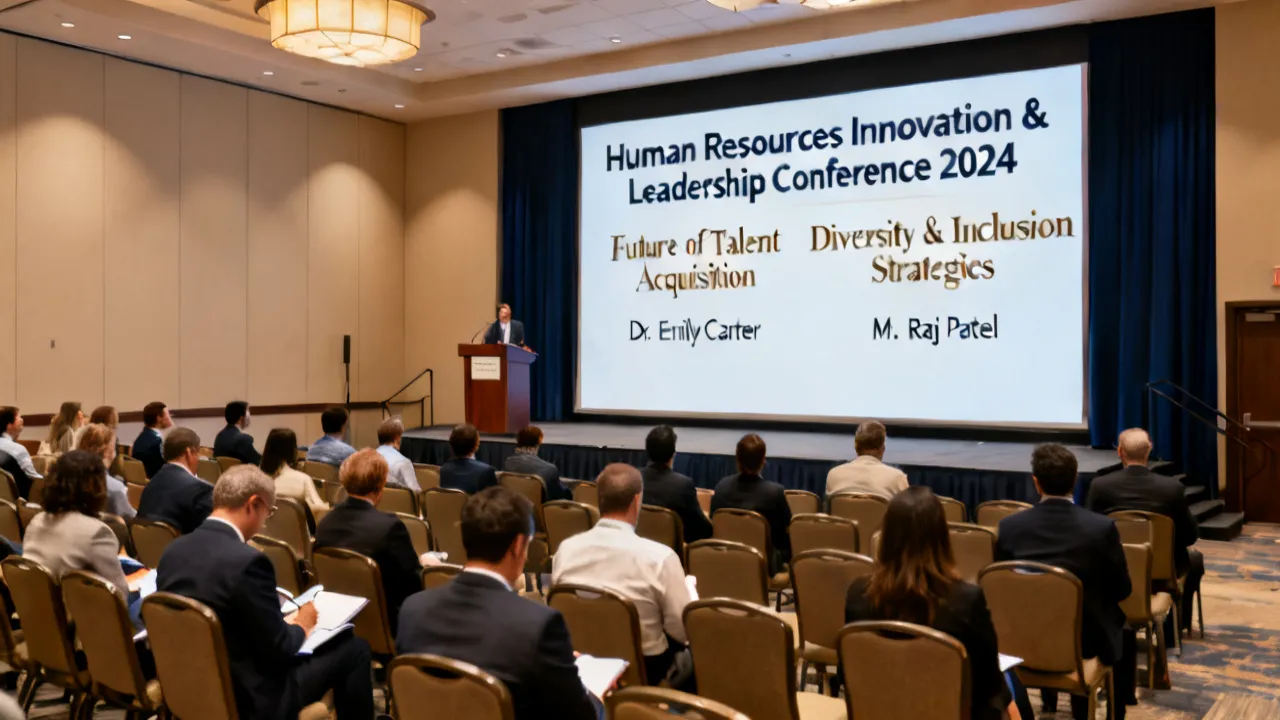
The research undertaken by Heuvel & Bondarouk in 2016 stands as a pivotal work in the field of human resources. It explores the strategic fusion of HR practices with technological innovations, providing a cornerstone for organizations aiming to adapt to rapid advancements in workplace technology. Focusing on the intricacies of e-HRM, this study establishes a relationship between technology and human capital management, offering a comprehensive analysis valuable to industry professionals. The convergence of human resources and technology is no longer an option but a necessity for organizations that aspire to thrive in today's competitive landscape. This research serves as a guiding light, anchoring HR practitioners in the evolving paradigm of work management and employee interaction.
Importance of e-HRM in Modern Organizations
Electronic Human Resource Management (e-HRM) represents a critical evolution in HR practices, particularly in the context of the digital age. The study by Heuvel & Bondarouk highlights e-HRM's role in optimizing processes, enhancing communication, and fostering employee engagement through digital platforms. By implementing e-HRM, companies can streamline operations and enhance data accuracy, leading to more informed decision-making. In addition, e-HRM facilitates the collection, storage, and analysis of employee data, which can be leveraged for performance assessments and strategic planning. This reliance on technology helps HR departments become more data-driven, ensuring that decisions are backed by substantial evidence instead of intuition alone. Furthermore, as younger generations enter the workforce, their expectations around technology adoption and digital interaction shapes the need for e-HRM systems in enhancing overall employee experience.
Core Findings of the 2016 Study
Heuvel & Bondarouk's research produced key insights into how e-HRM impacts organizational effectiveness. The authors found that when HR technologies are well-integrated into a company's strategic framework, they significantly enhance strategic alignment, efficiency, and employee satisfaction. Furthermore, the study emphasized the importance of aligning technology with organizational goals to realize its full potential. One major finding was the correlation between high employee engagement levels and effective e-HRM practices. By leveraging e-HRM tools, organizations are equipped not only to conduct routine HR tasks but also to engage employees in a meaningful way. The research also highlighted that the success of e-HRM implementation varies by industry and organizational size, suggesting that a one-size-fits-all approach is inadequate. Tailoring e-HRM implementation to fit specific organizational contexts significantly improves outcomes.
Key Components and Methodologies
Utilizing a comprehensive methodological approach, the study meticulously assessed various organizations adopting e-HRM technologies. It covered critical aspects like the technological readiness of organizations, adaptation challenges, and the metrics for measuring success. By conducting extensive qualitative and quantitative analyses, Heuvel & Bondarouk were able to map out the correlation between technological adoption and HR outcomes. They gathered data through surveys, interviews, and case studies, painting a well-rounded picture of e-HRM implementations across diverse business environments. Furthermore, the authors examined existing literature to ensure the credibility of their findings, enhancing their study's reliability. The framework proposed in their study is not merely theoretical but is substantiated with practical examples, showcasing organizations that have successfully navigated the transition to electronic HR practices.
| Aspect | Details |
|---|---|
| Integration Strategy | Aligning e-HRM with organizational goals for maximized outcomes. Therefore, organizations must prioritize their strategic vision when selecting e-HRM systems, ensuring that these technologies support overall corporate objectives. |
| Technological Readiness | Assessing an organization’s capacity to adopt and implement e-HRM tools effectively. This involves gauging existing technology infrastructures and readiness among employees to embrace digital changes. |
| Outcome Measurement | Using a set of metrics including employee satisfaction, process efficiency, and ROI to evaluate the success of e-HRM integration, after implementation. Organizations must establish baseline measurements to track improvements post-implementation. |
| Adaptation Challenges | Identifying and overcoming obstacles in e-HRM implementation, such as resistance to change and training needs, which are vital for smooth transitions. |
The Role of Organizational Culture
A critical condition for the effective application of e-HRM highlighted in the study is the underlying organizational culture. Companies with a culture open to innovation and change tend to see better results when adopting new technologies. The acceptance and support from leadership and staff are key to integrating e-HRM systems smoothly. Furthermore, a culture that prioritizes communication and feedback significantly enhances the implementation phase of e-HRM. It is essential for organizations to foster an atmosphere where employees feel empowered to share their concerns and suggestions regarding the new tools introduced. This engagement not only leads to smoother transitions but also promotes a sense of ownership among staff members, ensuring the sustainability of the e-HRM initiatives over the long term.
Implications for HR Professionals
For HR professionals, the implications of Heuvel & Bondarouk’s research are significant. Understanding and applying the findings can lead to more efficient HR practices and enhanced employee relations. By leveraging technology, HR managers can focus on strategic tasks and cultivate a more dynamic, engaged workforce. This shift allows HR practitioners to move beyond administrative functions, acting more as strategic partners within their organizations. Additionally, the research provides HR professionals with frameworks to evaluate their current practices and identify areas for improvement, cultivating a forward-thinking approach to HR management. The skills and competencies necessary for HR professionals are evolving, emphasizing the need for continuous learning and adaptability to new technological trends.
Industry Applications and Future Prospects
Looking ahead, the methods and frameworks proposed by Heuvel & Bondarouk in 2016 are poised to shape future endeavors in HR technology. The study foresaw trends like AI-powered HR analytics and personalized employee experiences, which are becoming increasingly relevant in today's organizational settings. Companies are encouraged to invest in training and development aligned with these technological advancements to stay competitive. As organizations strive to attract and retain top talent, the integration of advanced technologies will be instrumental in creating tailored experiences for employees, from onboarding to performance management. Moreover, we can expect to see a greater focus on employee well-being linked to technology-assisted HR initiatives, further highlighting the importance of creating a supportive workplace culture.
FAQs
- What is e-HRM? e-HRM refers to the use of digital technologies to perform HR functions, enhancing efficiency and effectiveness. It encompasses a variety of tools and platforms designed to automate HR processes such as recruitment, performance management, and payroll.
- Why is the Heuvel & Bondarouk study important? It provides a foundational analysis of integrating technology with HR to improve organizational effectiveness. The insights gained from their research offer a roadmap for implementing e-HRM successfully.
- What businesses benefit from this study? Any organization looking to optimize HR operations through technology can benefit. This is particularly true for businesses experiencing rapid growth or those aiming to enhance workforce engagement and efficiency.
- Will e-HRM replace traditional HR roles? While it enhances efficiency, e-HRM complements rather than completely replaces traditional HR functions. Rather, it reshapes the HR role into a more strategic function that requires new skill sets.
- How can companies prepare for e-HRM implementation? By fostering a culture of acceptance and continuous learning, organizations can better adapt to e-HRM systems. Regular training programs and open discussions about the benefits of e-HRM can mitigate resistance to change.
Conclusion
The Heuvel & Bondarouk 2016 study is a powerful resource for understanding the trajectory of HR in the digital age. It underscores the transformative potential of e-HRM, providing a roadmap for organizations aiming to modernize their HR capabilities. By following the study’s insights, companies can better navigate the complex landscape of modern HR management and position themselves for success in an increasingly technology-driven world. The alignment of e-HRM with organizational strategy and culture serves as the backbone for sustainable HR practices. As digital transformation continues to evolve, HR leaders must stay attuned to emerging trends and the implications for their work, ensuring that they leverage technology to not only enhance operational efficiency but also enrich employee experiences.
Further Reading and Resources
For those interested in diving deeper into the topics of e-HRM and its implications for future workplace dynamics, several resources can provide valuable insights:
- “Digital HR: A Guide to Technology-Enabled Human Resources” – This book offers a comprehensive overview of the technological tools utilized in modern HR practices.
- “The Future of Work: Attract New Talent, Build Better Leaders, and Create a Competitive Organization” – This text examines how organizations can adapt to changing workforce dynamics.
- The Society for Human Resource Management (SHRM) – This professional organization provides a wealth of resources, including articles, toolkits, and professional development opportunities focused on HR management.
- Harvard Business Review articles on HR Technology – These articles discuss current trends and research in HR technology and best practices in e-HRM.
- Workshops and webinars on e-HRM tools – Various training organizations offer sessions aimed at familiarizing HR professionals with the tools and technology used in e-HRM.
By staying informed and engaged with the latest research and innovations in e-HRM, HR professionals can ensure they are fully equipped to lead their organizations through the complexities of the digital age.
-
1

Discovering Springdale Estates
-
2
Complete Dental Implants in One Day
-
3
Navigating Senior Living Options
-
4
Transform Your Lifestyle: Discover the Elegance and Swift Convenience of Designer Prefabricated Homes!
-
5
Guiding Your Family Through the Conversation: Navigating a Lung Cancer Diagnosis Together