Insights into Heuvel and Bondarouk's Study
This article delves into the influential study by Heuvel and Bondarouk in 2016, exploring its significant contributions to human resource management (HRM). The research examines the integration of technology in HRM practices, highlighting the evolving landscape of workforce management. This analysis provides readers with both the theoretical foundations and practical implications of Heuvel and Bondarouk's findings.
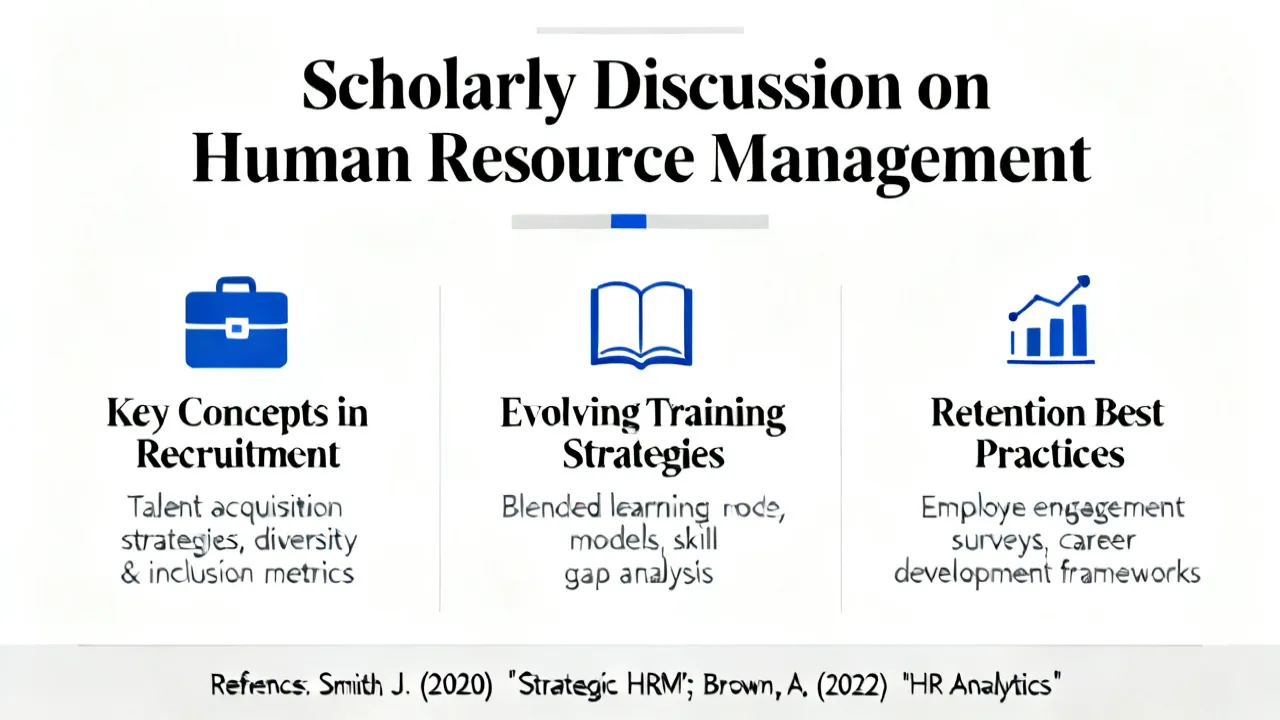
Introduction to Heuvel and Bondarouk's Study
In the realm of human resource management (HRM), the study conducted by Heuvel and Bondarouk in 2016 stands as a pivotal work that delves into the intersection of technology and HR practices. Their research shed light on how technological advancements are reshaping HRM, influencing everything from recruitment processes to employee engagement strategies. As organizations worldwide continue to adapt to rapidly changing technological landscapes, understanding this integration becomes crucial for effective workforce management. The implications of this study extend beyond just HR professionals, impacting organizational leaders and employees alike, as the shift towards technology-driven HR practices requires a mindset change at all levels.
Background and Context
Heuvel and Bondarouk's 2016 study primarily focuses on the critical role of e-HRM, or electronic Human Resource Management, within modern organizations. E-HRM refers to the use of technology to streamline HR processes, improve information accessibility, and enhance decision-making capabilities. As digital tools become increasingly integrated into daily operations, such as Applicant Tracking Systems (ATS), Human Resource Information Systems (HRIS), and performance management software, this study provides valuable insights into the strategic implementation of technology in HR functions. The backdrop of this study is the escalating pace of digital transformation across various sectors, rendering traditional HR practices insufficient in addressing contemporary organizational challenges.
Core Findings of the Study
The research by Heuvel and Bondarouk identified several key findings regarding the integration of technology in HRM. Firstly, it was observed that e-HRM solutions can significantly enhance the efficiency and effectiveness of HR processes. By automating routine tasks, such as payroll processing and employee onboarding, HR professionals are empowered to focus on more strategic activities, such as talent management and organizational development. The study explored how the increased efficiency gained from e-HRM systems can lead to measurable improvements in employee productivity and retention rates.
Additionally, the study highlights the importance of data-driven decision-making enabled by technology, emphasizing how access to real-time analytics can revolutionize HR strategies. The capacity to analyze employee data for insights regarding turnover trends, engagement levels, and performance metrics allows organizations to make informed choices that align with their strategic goals. Furthermore, these insights support HR in identifying key performance indicators (KPIs) that can guide future initiatives and reinforce a performance-oriented culture.
Strategic Implications for Organizations
For organizations looking to leverage the benefits of e-HRM, Heuvel and Bondarouk's study offers crucial guidance. Implementing technology in HRM is not just about adopting new tools but requires a holistic approach to transform HR practices. Companies are encouraged to invest in training programs that equip HR professionals with the necessary skills to navigate digital platforms effectively. Increasingly, HR roles are evolving to include competencies in data analytics, strategic planning, and change management. Training should not be limited to HR alone; it extends to employees at all levels who will interact with these systems. Moreover, fostering a culture that embraces innovation and continuous learning is vital for successful technology integration. Organizations must create an environment where feedback is welcomed, and experimentation with new HR technologies is encouraged.
The study also suggests that the alignment of technology with organizational strategy is critical. Organizations need to ensure that the systems they choose not only fulfill immediate operational needs but also support long-term strategic objectives. For instance, a company focused on growth might prioritize e-HRM solutions that facilitate rapid talent acquisition and onboarding to scale its workforce effectively.
| Aspect | Key Insights |
|---|---|
| E-HRM Efficiency | Automation of routine tasks allows HR to focus on strategic roles, leading to improved productivity. |
| Data-Driven Decisions | Real-time analytics enhances HR strategies and informed decisions, ultimately impacting recruitment and retention rates. |
| Organizational Implementation | Requires cultural shifts toward innovation and continuous learning for effective adoption. |
| Employee Engagement | Technology can facilitate better communication channels, enhancing employee engagement and satisfaction. |
| Compliance and Risk Management | e-HRM helps manage compliance with labor laws and regulations, minimizing legal risks associated with HR practices. |
Practical Considerations
While embracing technology in HRM promises numerous benefits, practical considerations must not be overlooked. Organizations should evaluate their current infrastructure and readiness for digital transformation. This begins with assessing existing HR processes to determine which areas would benefit most from technological enhancements. For instance, organizations might prioritize automating high-volume tasks like payroll and benefits administration to free up HR resources for more strategic functions.
Identifying the right e-HRM systems that align with organizational goals and existing workflows is crucial. This entails conducting a thorough market analysis to understand the features and advantages of different e-HRM platforms. Engaging with vendors to tailor solutions that fit specific organizational needs can optimize the utilization of technology. Additionally, maintaining data privacy and security is paramount in managing employee information and ensuring compliance with relevant regulations, especially in today’s data-centric environment where breaches can have serious ramifications. Organizations must implement robust cybersecurity measures alongside employee training on data protection best practices to safeguard sensitive information.
Challenges and Solutions
Integrating technology in HRM is not without challenges. Resistance to change from both employees and management can hinder the adoption of new systems. Often, such resistance is rooted in fear of the unknown or concerns about job displacement. To address this, leaders must communicate the tangible benefits of e-HRM, making a case for how technology enhances rather than replaces the human element of HR. Furthermore, gathering feedback and involving employees in decision-making processes fosters ownership of the new systems, paving the way for smoother transitions.
Ensuring reliable technical support and system maintenance can alleviate uncertainties associated with digital tools. Organizations should establish a dedicated IT support unit that understands the intricacies of HR systems and can offer timely assistance. Developing a change management strategy that encompasses not just technology training but also emotional support for employees navigating these changes is essential. This might include workshops, open forums for discussion, and other resources to help employees acclimate to new systems.
Moreover, organizations should recognize the potential for technology to enhance the employee experience. For example, self-service portals can empower employees to manage their personal information, access payroll data, and submit requests without mediation from HR, thus streamlining processes and enhancing satisfaction. Robust communication platforms integrated into e-HRM systems can facilitate transparency and trust within the organization, making employees feel more valued and included in the operational fold.
Future Directions for e-HRM
As technology continues to evolve, the future of e-HRM is likely to experience significant transformations. Innovations such as Artificial Intelligence (AI), machine learning, and big data analytics are poised to further revolutionize HR practices. For instance, AI can streamline recruitment processes by identifying the best candidates using predictive analytics based on prior hiring patterns and employee performance metrics. Machine learning algorithms can continually refine recruitment strategies, improving the match between candidates and organizational needs over time.
Additionally, the rise of remote work necessitates the adaptation of e-HRM tools to support flexible work environments. Organizations will need to focus on integrating solutions that enhance remote employee engagement, performance management, and collaboration. Tools that enable virtual team-building, continuous performance feedback, and digital wellness programs will likely become cornerstone features of e-HRM systems as businesses navigate hybrid working environments.
The growing emphasis on data analytics will compel HR professionals to become not only technologists but also data storytellers. They will need to convert vast amounts of employee data into actionable insights that inform strategic decisions. Training in data literacy will become essential for HR teams to effectively interpret and utilize analytics in ways that drive business outcomes and enhance employee engagement.
Moreover, ethical concerns surrounding data privacy and artificial intelligence in HR will necessitate ongoing conversations about the responsible use of technology in people management. As organizations increasingly rely on algorithms to make HR decisions, maintaining a balance between efficiency and fairness will be crucial. Ensuring that AI-based decisions do not perpetuate biases or lead to discrimination will require vigilance and an ethical framework guiding technology implementation.
Lastly, the future of e-HRM will likely involve greater integration with other business functions. The interconnected nature of contemporary business demands that HR systems align closely with finance, operations, and marketing. This integration can foster synergies that enhance overall organizational performance, allowing for more streamlined processes and unified data across functions. Developing an interconnected ecosystem of specialized systems can help organizations respond more agilely to market changes and employee needs.
FAQs
- What is e-HRM?
E-HRM refers to the use of digital technologies to manage HR processes effectively, enhancing efficiency and decision-making. This technology encompasses a wide range of applications, from simple software tools to complex platforms that integrate various HR functions. - How does e-HRM benefit organizations?
E-HRM streamlines HR tasks, facilitates data-driven decisions, and enables HR professionals to focus on strategic initiatives. By leveraging technology, organizations can respond more quickly to changes, enhance employee engagement, and improve overall efficiency. - What are some challenges in implementing e-HRM?
Challenges include resistance to change, data privacy concerns, and the need for adequate technical support and training. Additionally, ensuring staff buy-in and understanding the system's long-term benefits are essential to overcoming initial hurdles. - How can organizations effectively transition to e-HRM?
Organizations can facilitate effective transitions by developing comprehensive implementation plans that include training, stakeholder engagement, and ongoing support. Open communication about the goals of e-HRM and its anticipated benefits can also help assuage employee concerns. - What role does leadership play in e-HRM adoption?
Leadership is crucial in championing the transition to e-HRM. Leaders must articulate a clear vision, allocate resources for implementation and training, and actively engage employees in the process to foster a culture of acceptance and innovation.
Conclusion
Heuvel and Bondarouk's 2016 study provides a comprehensive exploration of the transformative impact of technology on human resource management. As organizations continue to navigate evolving technological landscapes, this study offers essential insights into effectively integrating digital tools into HR practices. By embracing e-HRM, companies can enhance operational efficiency, foster strategic decision-making, and ultimately drive organizational success in today's dynamic business environment. The success of e-HRM strategies will largely depend on how organizations engage their talent through these tools and cultivate a responsive and adaptable HR function that thrives on continuous improvement and digital innovation.
-
1

Discovering Springdale Estates
-
2
Complete Dental Implants in One Day
-
3
Navigating Senior Living Options
-
4
Transform Your Lifestyle: Discover the Elegance and Swift Convenience of Designer Prefabricated Homes!
-
5
Guiding Your Family Through the Conversation: Navigating a Lung Cancer Diagnosis Together