Unraveling HR Technology in Current Business
This guide delves into the intricate relationship between HR practices and technology advancement, largely influenced by the insights provided in Heuvel & Bondarouk's 2016 study. By exploring how modern businesses integrate HR technology, we gain a broader understanding of its impact on organizational strategies, employee engagement, and overall performance. This comprehensive exploration underlines the emerging trends, challenges, and future directions in HR technologies.
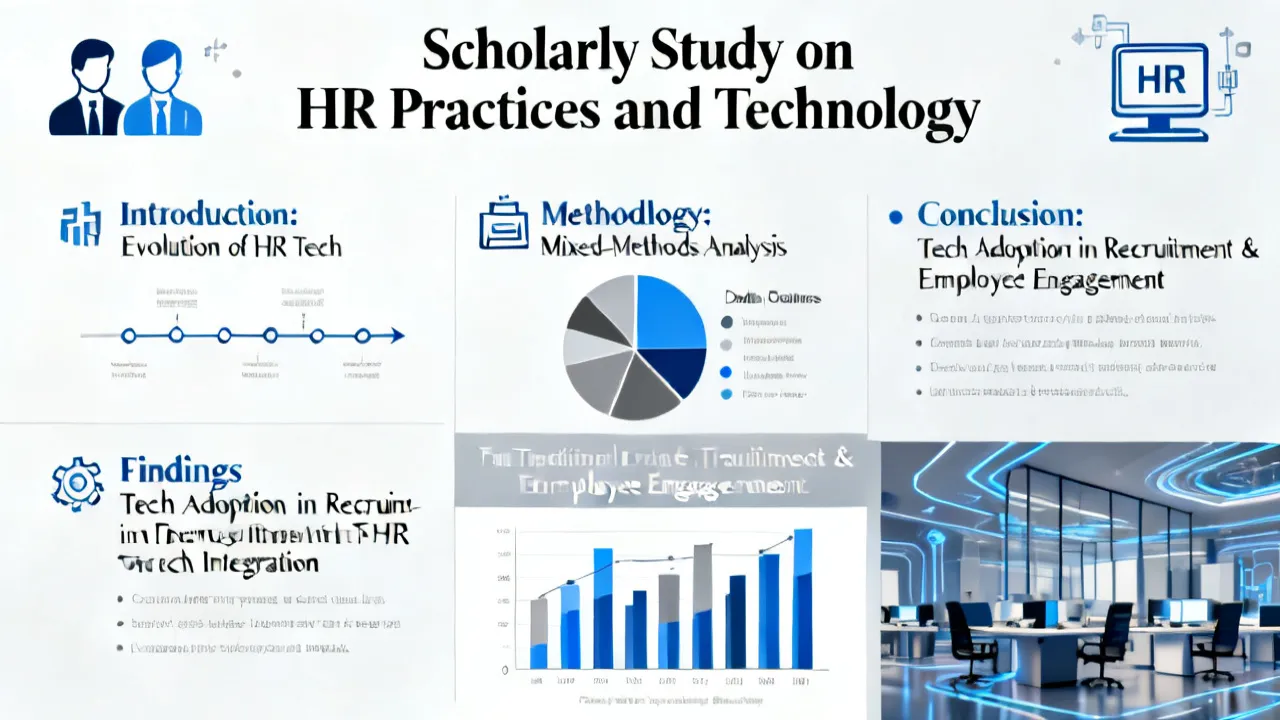
Understanding HR Technology through Historical Context
The pivotal work of Heuvel & Bondarouk in 2016 laid a significant foundation for understanding the evolution of HR technology within business settings. Their study emphasized the transformative power of technology in enhancing HR processes, offering strategic value, and driving change in corporate environments. The impact of this research is reflected in the ongoing development and adoption of HR technologies across various sectors.
Historically, human resources have relied heavily on manual processes—everything from maintaining employee records written on paper to performing payroll computations using labor-intensive methods. With the technological revolution, the shift towards digital platforms began to take shape, marking the early stages of HR's transformation. Organizations quickly recognized that a shift to technology could streamline operations and improve overall efficiency.
The Role of HR Technology Today
HR technology today encompasses a wide array of digital tools aimed at automating and refining human resource practices. These technologies range from talent management systems, employee engagement platforms to data-driven performance evaluation tools. The significance, as highlighted by Heuvel & Bondarouk, lies in their ability to streamline processes, enhance decision-making capabilities, and foster a data-driven culture.
The integration of sophisticated software solutions has empowered HR departments to excel in various domains. For instance, platforms that assist in applicant tracking not only simplify the recruitment process but also assist in collating and analyzing applicant data to improve future hiring strategies. Furthermore, employee engagement platforms serve as critical components, enabling companies to gauge employee satisfaction levels through regular pulse surveys and feedback mechanisms, fostering an ongoing dialogue between employees and management.
Moreover, the use of robust data analytics enables HR leaders to pinpoint performance trends, predict turnover, and develop retention strategies by examining predictive metrics and identifying the factors most critical to employee satisfaction and engagement.
Heuvel & Bondarouk 2016 Study Insights
Heuvel & Bondarouk's research meticulously discussed the integration of technology within HR domains, emphasizing the necessity for organizations to adapt to technological advancements for sustained relevance and competitiveness. Their study illustrates how technology reshapes traditional HR tasks from recruitment, onboarding to employee motivation and retention strategies.
They pointed out that the traditional role of HR is evolving into that of a strategic partner, where HR professionals leverage technology not merely for administrative efficiencies but as crucial contributors to overall business strategy and success. Their work suggests that organizations that effectively incorporate technology into their HR practices tend to experience enhanced performance outcomes.
Through their exploration, the authors identified a number of key themes that arose in the relationship between technology and HR practices. Among these, they highlighted the shift toward a more flexible and agile workforce supported by technology that can quickly adapt to changing market demands. This flexibility is increasingly essential in an ever-evolving business landscape, where rapid changes in technology and consumer behavior can dramatically alter the competitive landscape overnight.
| Concept | Explanation |
|---|---|
| Automation | Using HR software to automate routine tasks such as payroll and attendance tracking to enhance accuracy and efficiency. |
| Data-Driven Decision Making | Leveraging HR analytics and data dashboards to make informed decisions regarding talent management and workforce planning. |
| Employee Engagement | Utilizing digital tools to measure and enhance employee satisfaction and engagement levels through consistent feedback and recognition platforms. |
| Integration of AI in Recruitment | Employing AI algorithms to shortlist candidates based on their potential fit, skills, and cultural alignment with the organization. |
| Remote Workforce Management | Implementing comprehensive platforms that allow organizations to manage remote teams effectively, enhancing collaboration and ensuring seamless communication. |
Challenges in Adopting HR Technology
While the benefits of HR technology are numerous, organizations face several challenges, such as data privacy concerns, resistance to change among employees, and the need for adequate technological infrastructure. Heuvel & Bondarouk's findings suggest that companies must foster a culture of continuous learning and adaptability to successfully integrate these technologies into their operations.
Resistance to change is often rooted in the fear of the unknown; employees may perceive new systems as threats rather than opportunities, leading to pushback against new software implementations. To combat this, organizations should prioritize change management processes that emphasize communication and education about the new technology’s benefits rather than merely enforcing its use.
Moreover, the continuous evolution of technology necessitates that HR professionals stay updated with the latest tools and advancements. This might require ongoing training initiatives and professional development opportunities to ensure that teams possess the requisite skills and knowledge to leverage new technologies effectively. Furthermore, as organizations shift towards cloud-based platforms, data security remains a paramount concern. HR departments must establish robust data governance policies to safeguard sensitive employee information while ensuring compliance with ever-stringent regulations like GDPR, which governs data protection and privacy.
Lastly, while many organizations might express interest in utilizing advanced HR technologies, the reality is that inadequate infrastructure can impede their implementation. Companies often need to invest not only in software but also in hardware, training, and support teams to ensure a smooth transition to technology-driven HR practices.
Future Directions in HR Technology
The future of HR technology holds immense potential driven by artificial intelligence, machine learning, and predictive analytics. These technologies promise to offer more personalized employee experiences and proactive management strategies. As indicated by Heuvel & Bondarouk, businesses embracing these innovations will likely enjoy a competitive edge in attracting and retaining top talent.
Innovations such as AI are making it possible to conduct more refined and targeted recruitment processes. For instance, machine learning algorithms can analyze past recruitment data to identify traits of successful employees and suggest modifications to recruitment strategies accordingly. This capability not only streamlines the hiring process but also increases the likelihood of finding the right fit for the company culture and job requirements.
Moreover, the incorporation of chatbots in HR practices is becoming increasingly common. These AI-driven tools can handle a wide range of inquiries—from basic questions about company policies to more complex issues around payroll and benefits—freeing HR professionals to focus on strategic priorities instead of administrative tasks. Additionally, chatbots can provide a level of engagement and support to employees that helps create an inclusive workplace culture where employees feel valued and understood.
Another area of burgeoning interest is the use of wellness technology to support the mental and physical well-being of employees. Platforms that offer mental health resources, wellness tracking, and personalized health coaching are becoming cornerstones of innovative HR strategies aimed at fostering a healthier workplace, which, in turn, can lead to increased employee satisfaction, engagement, and retention.
As the future unfolds, it is crucial for HR departments to not only adopt these cutting-edge technological tools but also to develop a strategic vision that aligns with broader organizational goals. A forward-thinking HR strategy will ensure that businesses remain competitive while providing an engaging and rewarding experience for all employees.
FAQs
What is the primary focus of HR technology?
HR technology aims to streamline human resource processes, improve data accuracy, and foster a strategic approach to managing workforce dynamics.
What were the major findings of Heuvel & Bondarouk in 2016?
Their study underscored the importance of technology in transforming HR functions, emphasizing automation, strategic decision-making, and data-driven practices.
What challenges do organizations face when integrating HR technology?
Common challenges include data security concerns, employee resistance to new systems, and the need for continuous training and adaptation.
How can AI improve HR functions?
AI can enhance recruitment processes, streamline administrative tasks through chatbots, and support data-driven decision-making to create more efficient and tailored HR practices.
What role do employee engagement platforms play in HR?
These platforms help measure and analyze employee engagement levels, facilitating ongoing communication and feedback between employees and management to foster a positive workplace culture.
This comprehensive exploration underscores the indispensable role of technology in modern HR practices. As organizations continue to navigate the evolving landscape, the strategic integration of HR technology will be pivotal in driving sustainable growth and employee satisfaction. By staying attuned to emerging technologies and trends, HR departments can position themselves as strategic partners in their organizations, driving not only operational efficiency but also engagement, innovation, and ultimately, business success.
-
1

Discovering Springdale Estates
-
2
Complete Dental Implants in One Day
-
3
Navigating Senior Living Options
-
4
Transform Your Lifestyle: Discover the Elegance and Swift Convenience of Designer Prefabricated Homes!
-
5
Guiding Your Family Through the Conversation: Navigating a Lung Cancer Diagnosis Together