Exploring the Shogun Assassination Arc
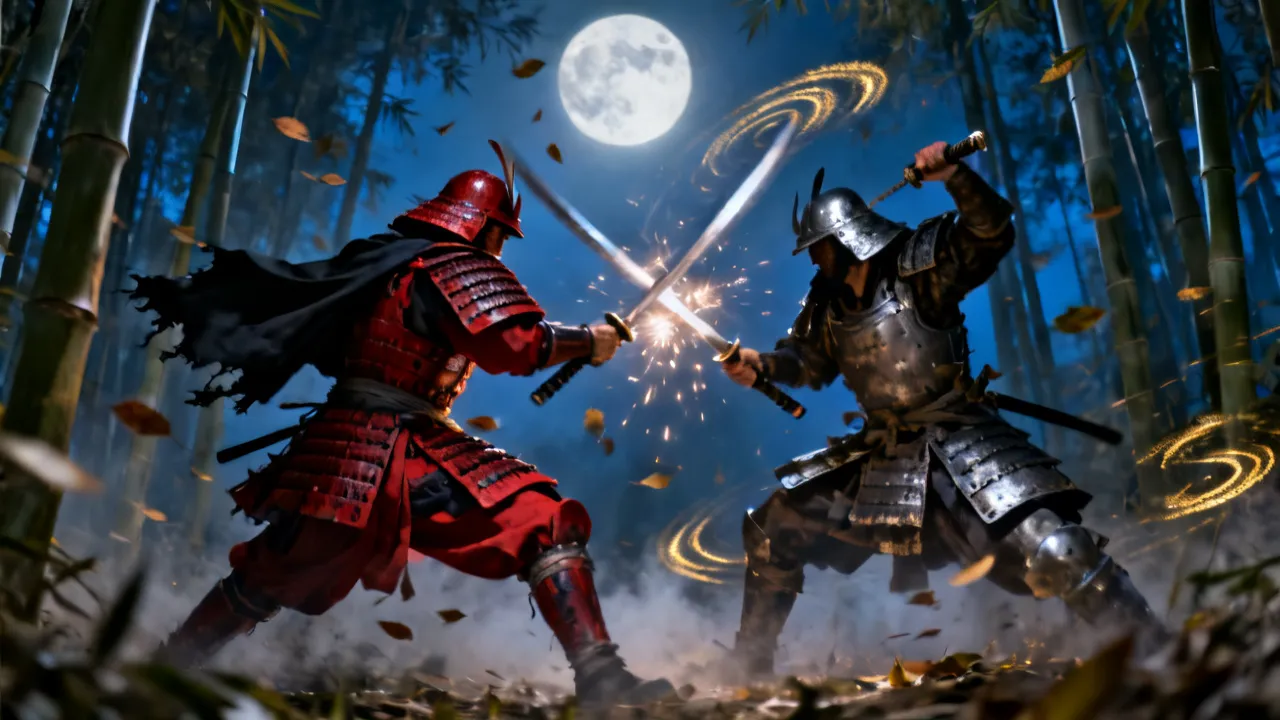
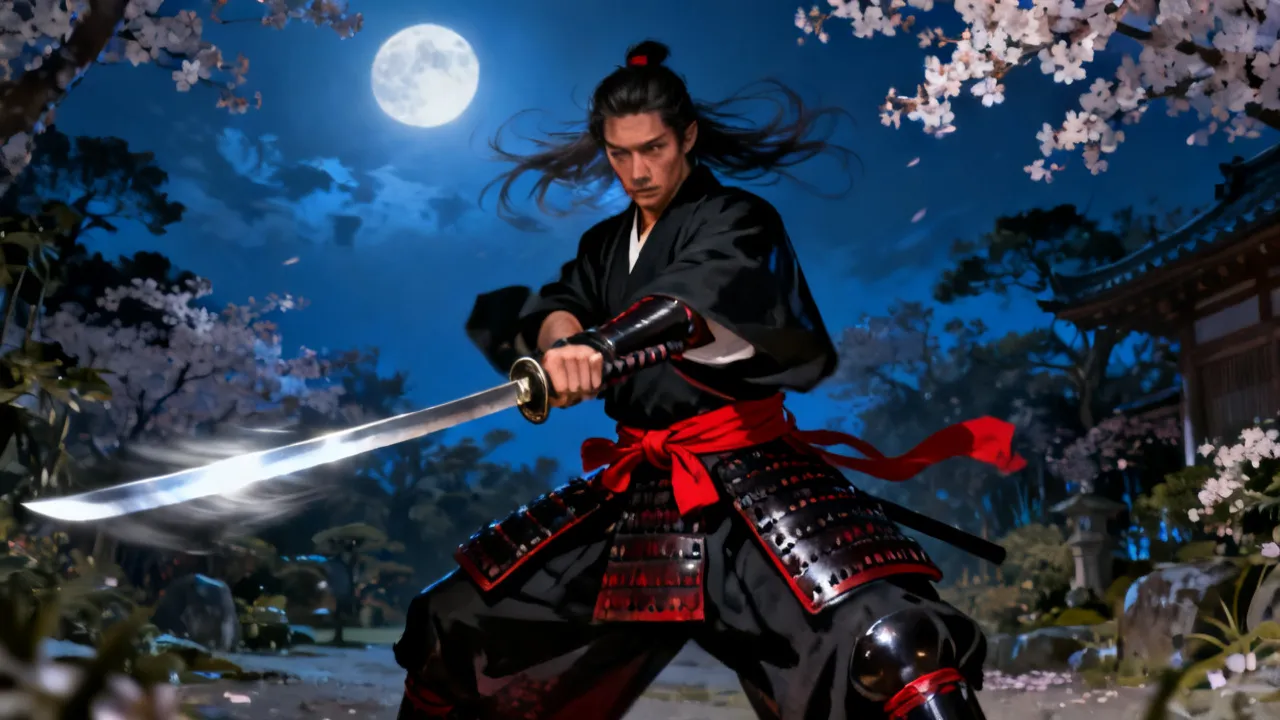
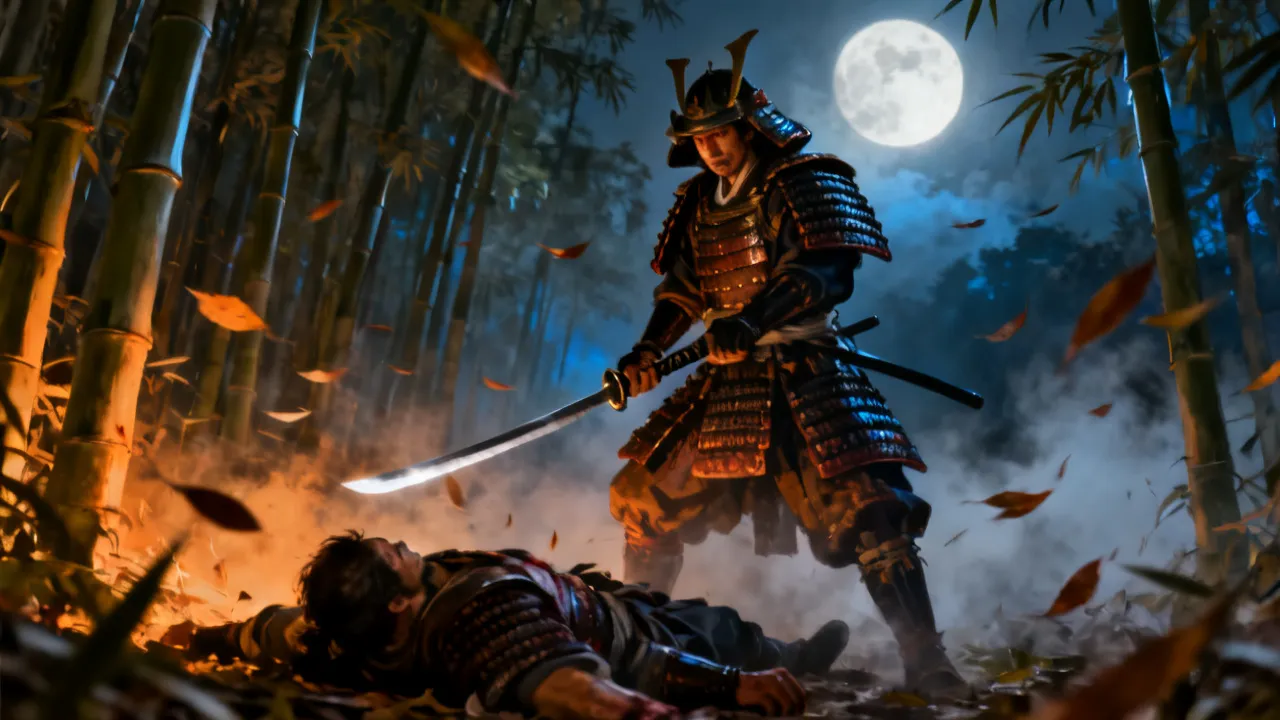
This article delves into the captivating Shogun Assassination Arc, a pivotal storyline in the Gintama anime and manga series. The arc explores themes of loyalty, political intrigue, and action, set against the backdrop of fictional Edo-period Japan. Drawing readers into its dramatic narrative, it is a compelling spectacle of swordsmanship and strategy, highlighting intricate character dynamics.
Unveiling the Shogun Assassination Arc
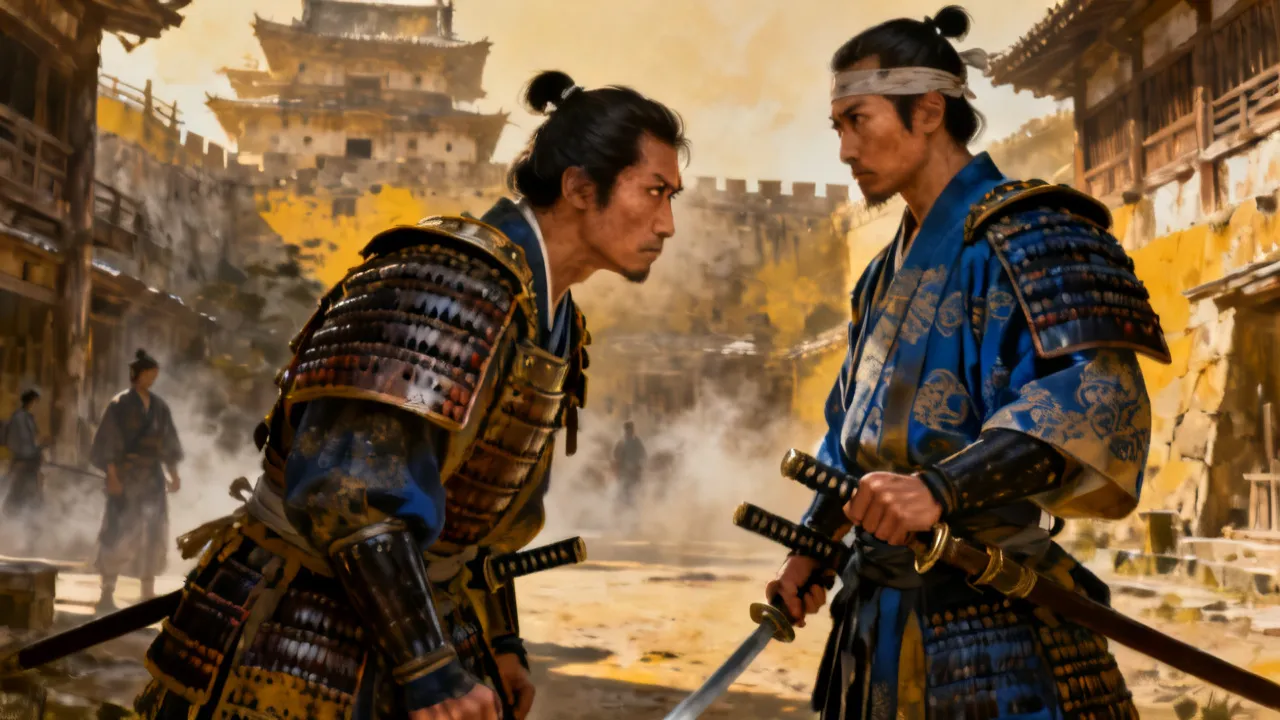
The Shogun Assassination Arc stands as one of the most intense and revered sequences within the Gintama series, written and illustrated by Hideaki Sorachi. Set in an alternative history variant of the Edo period where aliens coexist with humans, this arc combines samurai action with a deep exploration of political intrigue and personal loyalty, making it a cornerstone of the series. The arc’s complexity not only showcases outstanding character development but also weaves in contemporary social commentary that resonates well beyond the confines of its fictional narrative.
Plot Summary
The arc kicks off with a daring conspiracy against Shige Shige Tokugawa, the shogun of Edo. This marks a pivotal moment in the series as the Yorozuya trio—Gintoki Sakata, Shinpachi Shimura, and Kagura—alongside their allies, must navigate a treacherous political landscape to protect the shogun. They quickly find themselves embroiled in a game of deception and shifting alliances, all while confronted by formidable enemies who threaten the very foundations of their society.
As the plot unfolds, the layered narrative introduces various factions each with unique motivations that conflict or align with the protagonists. The Shinsengumi, an elite police force, led by Hijikata Toshiro and Okita Sougo, plays a crucial role in the arc, adding layers of complexity to the narrative structure. Their rivalry with other factions heightens the stakes, leading to thrilling encounters that keep audiences on the edge of their seats.
Fueling the conflict are the revelations regarding Gintoki's past relationship with Shinsuke Takasugi, a complex character whose motives intertwine deeply with the overarching themes of the arc. With each battle, the tension escalates, ultimately leading to explosive confrontations that challenge not only the physical but also the philosophical beliefs of the characters involved. This culminates in a climax that tests their loyalty, strength, and relentless pursuit of an impossible ideal.
Character Dynamics and Development
Key to the arc's allure are its rich character dynamics. Gintoki, with his charismatic yet enigmatic nature, serves as the bedrock of the story's emotional impact. He embodies a unique blend of humor and depth, navigating his role in this chaotic world with an unorthodox view of honor and duty. His relationships with allies and adversaries alike highlight his complexity as a character who, despite his often carefree demeanor, carries the weight of past atrocities and regrets.
Shinsuke Takasugi, Gintoki's former ally turned antagonist, adds layers of tragedy and depth to the narrative. His motivations are driven by vengeance, but as the arc progresses, it becomes evident that he represents more than just a threat to Gintoki and the shogun; he encapsulates the idea of lost potential and the paths not taken. Takasugi’s worldview contrasts sharply with Gintoki's, reflecting the duality of their shared past. This dynamic is pivotal as it explores the ramifications of choices and the complexities of friendship and rivalry.
Equally integral are characters such as Katsura Kotaro, whose loyalty to both his friends and his cause showcases the nuances of allegiances in a world riddled with conflict. The Shinsengumi members, particularly Hijikata and Sougo, bring depth with their individual motives and complexities, battling within themselves as they grapple with a rigid code of honor versus the chaos surrounding them. These character interactions invite viewers to reflect on the greater questions of loyalty, governance, and individual morality within a society on the brink of change.
Themes Explored
Intrigue and authenticity are woven into the narrative fabric of the Shogun Assassination Arc. It delves into the essence of friendship and loyalty amidst societal decay, as characters wrestle with notions of honor and betrayal. Gintama excels in exploring how personal and political lines blur, emphasizing themes like the struggle for identity within tumultuous environments. The arc's exploration of duty—to oneself, to friends, and to one’s country—challenges the audience to reconsider what it means to be honorable in times of upheaval.
Moreover, the clash between traditional values and the looming threat of modernization stands at the forefront. As the shogun navigates his role amidst changing times, his vulnerability becomes stark. The characters are not just fighting for survival but are embroiled in defining what the future of their society looks like in an era that threatens to render their historical values obsolete. The many allegiances and betrayals portrayed throughout the arc serve as a microcosm of the conflict between personal desire and collective obligation.
Additionally, the female characters, such as Otae and Kagura, provide refreshing perspectives in a predominantly male-driven narrative. Their strengths and vulnerabilities offer alternative angles on the themes of loyalty and warrior spirit, challenging traditional gender roles often observed in samurai epic representations. By giving voice to these characters’ struggles and contributions, the arc reinforces the importance of diverse narratives within greater story arcs, ensuring that all characters have critical roles in shaping the outcome of events.
Visual and Narrative Style
What truly sets this arc apart is its masterful blend of drama and humor—a hallmark of Gintama's storytelling that ensures engagement over lengthy plots. The animation exudes a vivid portrayal of battles, with each sequence choreographed with precision and an eye for detail. Every frame captures the essence of the characters’ emotions, making the action sequences not only exciting to watch but also impactful on a narrative level. This rich animation aesthetic does justice to the dramatic weight carried by the characters and their struggles.
The use of color palettes serves as a narrative tool, with darker tones dominating tense scenes while brighter colors represent lighter moments, often infused with humor to provide relief from the intensity of the conflict. The transitions between humorous interludes and serious story arcs are seamless—allowing the audience to appreciate both the levity and the gravity of the situation. This balance exemplifies Sorachi's ability to navigate genres and emotions, culminating in a viewing experience that is as thoughtful as it is entertaining.
The visual storytelling is complemented by sharp dialogue and well-timed comedic bursts. Sorachi’s writing utilizes clever wordplay and situational humor to ensure that even amidst dire circumstances, the characters maintain their unique personalities, making them relatable and their struggles poignant. The thoughtful interplay between different genres allows the arc to appeal to a broad audience, making it not just an anime about samurai and battles, but a commentary on life’s intricate tapestry.
Impact on the Gintama Series
The Shogun Assassination Arc significantly impacts the broader narrative of Gintama. It provides critical momentum towards subsequent arcs, most notably the Farewell, Shinsengumi Arc, building on the momentum of character development and plot twists that unwind throughout this section. Fans of the series often cite this arc as not just a high point, but also as a turning point, intertwining personal backstories with larger political revolution themes. As characters face their pasts and forge their own destinies, the consequences of their actions ripple through the intertwined narrative strands.
This arc also serves to deepen the understanding of Gintama as a narrative rich in intertextuality. The lines between comedy and drama blur as the story includes callbacks to earlier arcs and character developments, rewarding long-time viewers with profound emotional resonance. The themes established here echo throughout the series, creating a tapestry of experiences that resonate across seasons, a hallmark of Sorachi's writing that elevates Gintama beyond mere episodic storytelling and into a cohesive narrative universe.
| Character | Description |
|---|---|
| Gintoki Sakata | The protagonist, a jovial yet skilled swordsman with a mysterious past, known for his unconventional wisdom and deep loyalty to friends. |
| Shinsuke Takasugi | Gintoki’s former ally turned antagonist, driven by vengeance and a desire to reshape the world through chaos. |
| Shige Shige Tokugawa | The shogun, whose life is the fulcrum of the arc's conflict, representing the burden of leadership in a changing world. |
| Hijikata Toushirou | A central figure in the Shinsengumi, battling with a code of honor while trying to uphold justice in a chaotic environment. |
| Katsura Kotaro | A friend of Gintoki, characterized by his dedication to his cause and a tragic sense of humor in the face of adversity. |
| Okita Sougo | The deadly yet playful member of the Shinsengumi, whose fierce loyalty and quirky demeanor provide comic relief amidst tension. |
| Otae | A complex female character who showcases strength and vulnerability, adding depth to the narrative’s interpersonal relationships. |
| Kagura | A fierce warrior and part of the Yorozuya; her individuality and strong character challenge gender norms within the narrative. |
FAQs
Q: What makes the Shogun Assassination Arc pivotal in Gintama?
A: It is pivotal for its dramatic culmination of character arcs and its critical narrative transitions that lead to the series' climactic events.
Q: How does the animation style of this arc contribute to the storytelling?
A: The animation offers dynamic action sequences and thematic visual motifs. Each stylistic choice complements the emotional intensity of the story, enhancing viewers’ connections to the characters and their struggles.
Q: Are there underlying historical references within the arc?
A: While purely fictional, elements of political strife and socio-cultural themes resonate with actual Edo-era historical narratives. The portrayal of characters and sociopolitical structures reflects the complexities of governance and conflict during Japan's transitional periods.
Q: How do humor and drama coexist in this arc?
A: The skillful integration of humor into dramatic scenarios offers relief from the tension while simultaneously enabling deeper character development. The comedic elements are a nuanced reflection of the characters' personalities, providing a reprieve that adds richness to the emotional landscape.
Q: What philosophical themes are prominent throughout the arc?
A: Major philosophical themes include the conflict between personal desires and communal obligation, the nature of honor in times of chaos, and the exploration of friendship versus betrayal. These themes resonate deeply, inviting audiences to reflect on both individual and societal values.
In conclusion, the Shogun Assassination Arc is a masterpiece of storytelling within the Gintama series, offering a complex narrative that blends humor, action, and profound themes. Its deft character portrayals and compelling visual style create a lasting impact, ensuring its place as a favorite among fans and a critical study for enthusiasts of anime storytelling. Through its intricate layers, the arc synthesizes various elements of both personal and political significance, making it an essential chapter in the exploration of not just Gintama's universe but also the broader context of storytelling within anime.
-
1

Discovering Springdale Estates
-
2
Complete Dental Implants in One Day
-
3
Navigating Senior Living Options
-
4
Transform Your Lifestyle: Discover the Elegance and Swift Convenience of Designer Prefabricated Homes!
-
5
Guiding Your Family Through the Conversation: Navigating a Lung Cancer Diagnosis Together