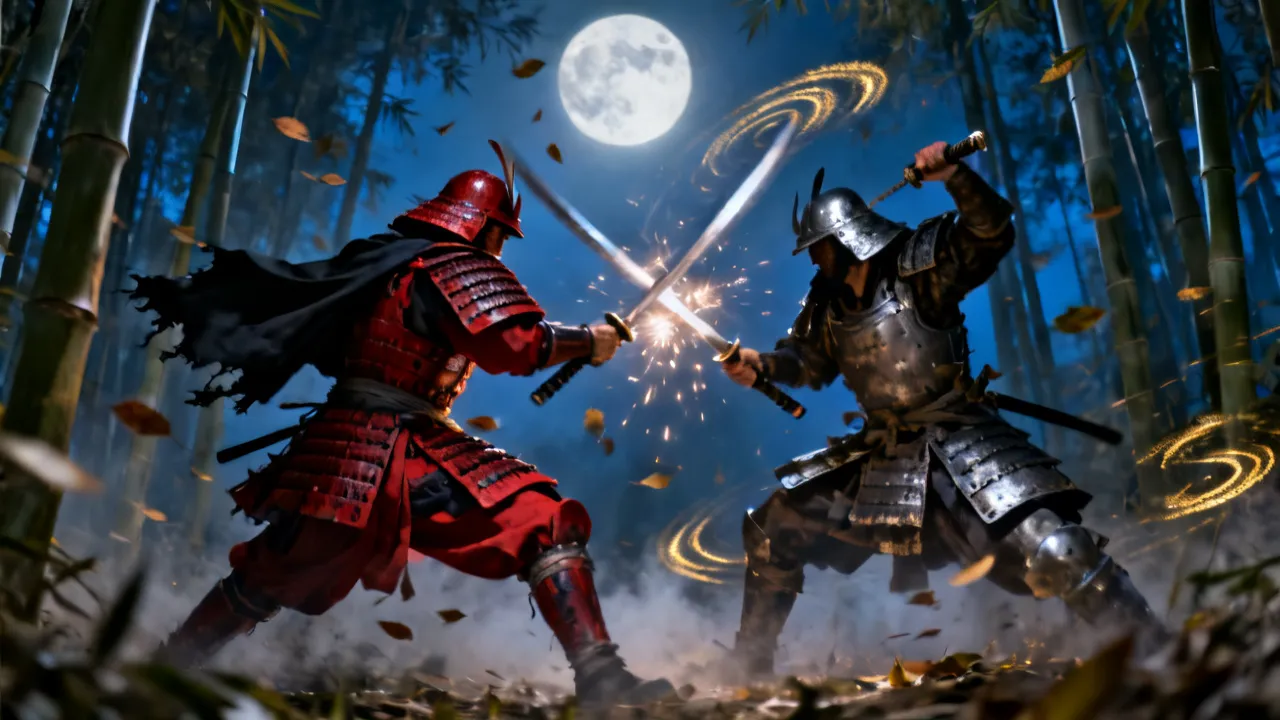
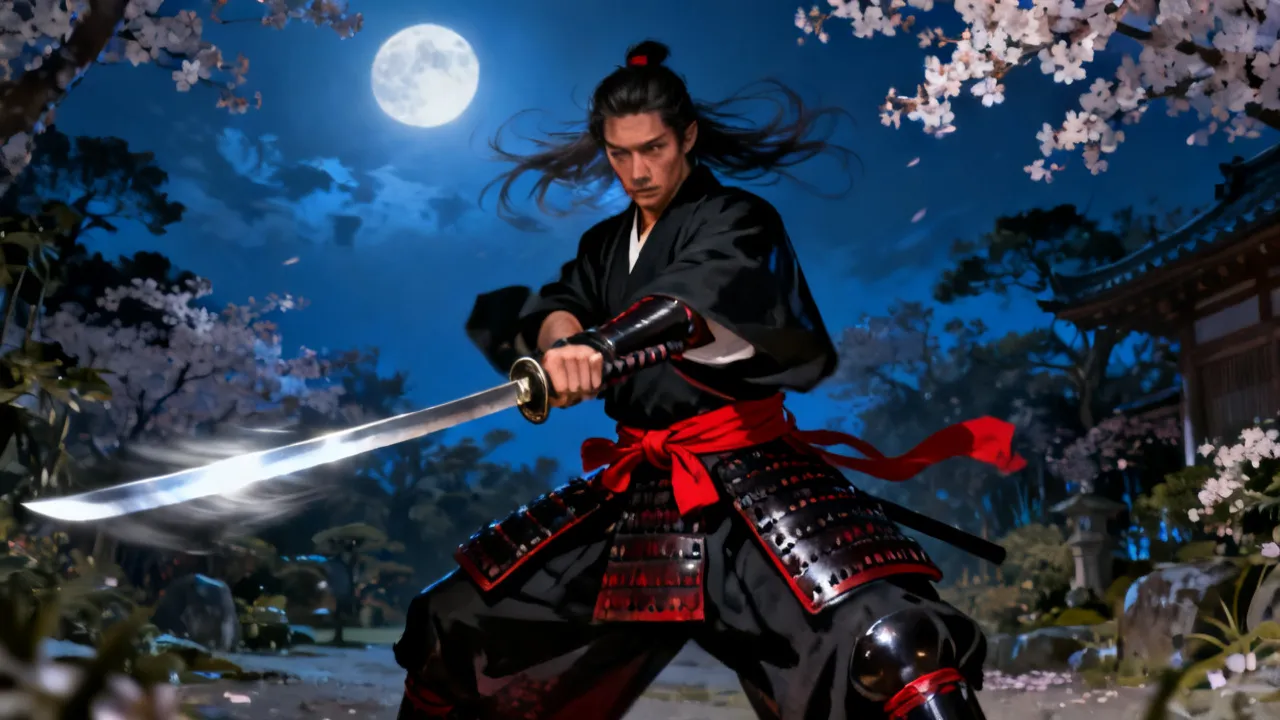
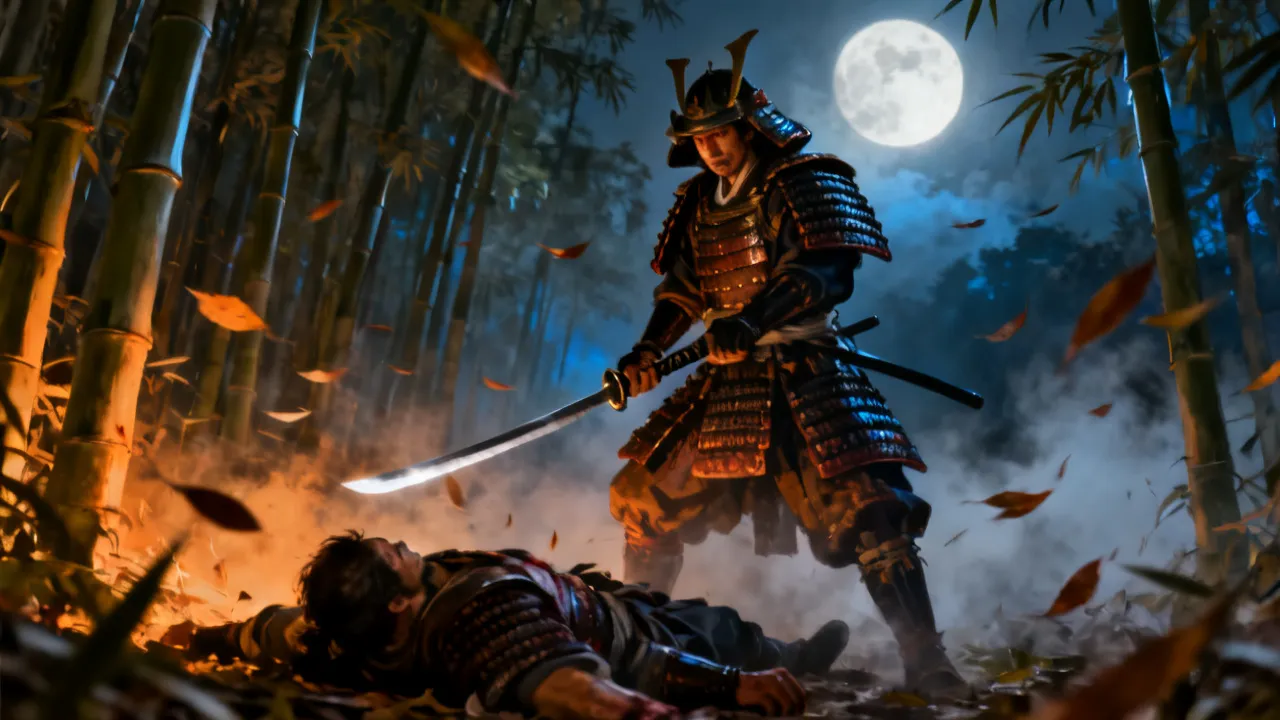
Unraveling the Shogun Assassination Arc
This exploration delves into the Shogun Assassination Arc, a pivotal narrative within popular media, known for its intricate plot and development of character dynamics. The arc holds significance due to its portrayal of political intrigue and personal vengeance. This article provides a comprehensive analysis of its themes, characters, and impact on fans and the broader storytelling landscape of the genre.
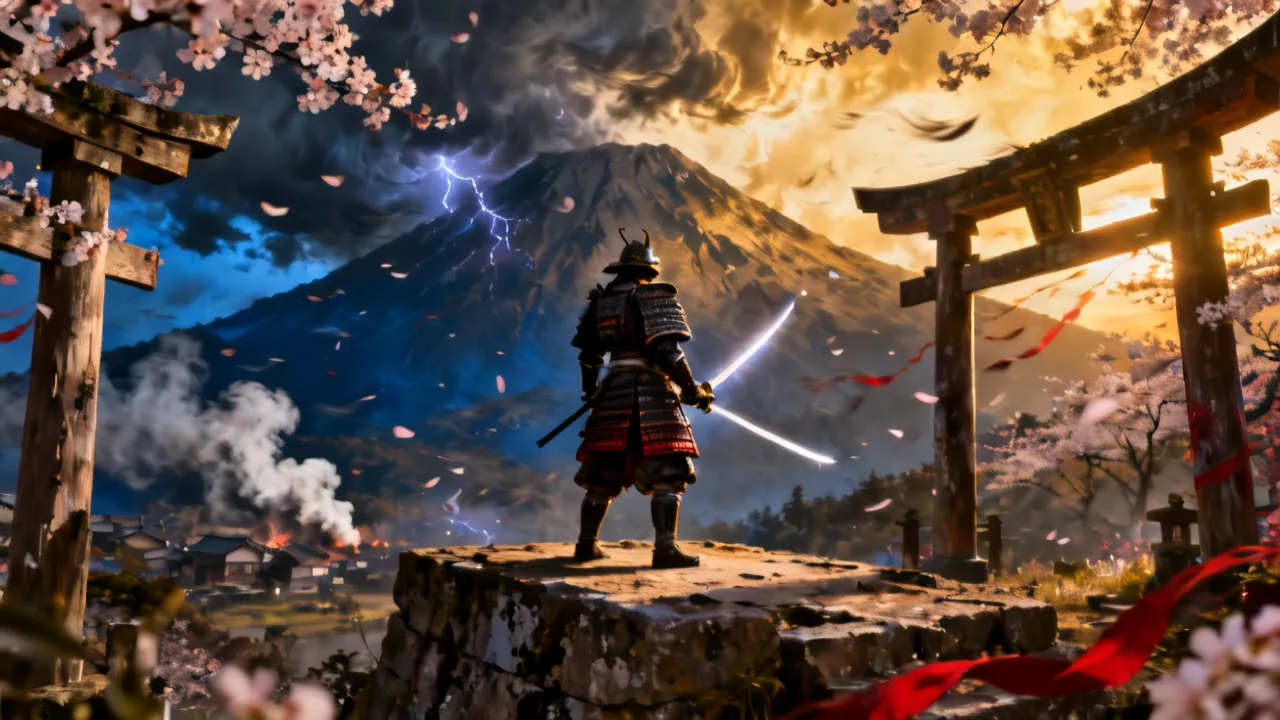
The Shogun Assassination Arc: An Overview
In the ever-evolving world of popular fiction, few narratives capture the complexity of political intrigue and the drive for personal vengeance as effectively as the Shogun Assassination Arc. This arc is a fundamental component of a renowned Japanese media series that has managed to carve a niche for itself among enthusiasts of the samurai genre. It combines ancient Japanese ethos with a modern narrative structure, delivering a compelling storyline that resonates with audiences worldwide.
This narrative does not merely serve as a backdrop for action and adventure; rather, it deftly intertwines themes of betrayal, loyalty, and personal growth, all of which come to a head in a dramatic culmination that has left audiences on the edge of their seats. The well-drawn characters often elicit a profound emotional response, and their struggles reflect broader human experiences. In the vein of great storytelling, this arc invites viewers to explore moral ambiguity and the consequences of choices made under duress.
Historical Context and Influence
The Shogun Assassination Arc draws heavily from Japan’s rich historical tapestry. Set against the backdrop of the Edo period, an era marked by cultural blossoming yet rife with political strife, the arc narrates a fictional account of an attempted coup against the shogunate. Such themes resonate with audiences familiar with the grand narratives of historical upheaval in Japanese history, such as the real-life events surrounding the fall of the Tokugawa shogunate. This period, known for its rigid social structure and the enforcement of laws governing morality and behavior, provides fertile ground for the exploration of themes such as power dynamics and the consequences of ambition.
The inspirations drawn from actual historical events extend beyond mere aesthetics; they inform character motivations and plot developments throughout the arc. Important historical figures and events serve as a springboard for the creation of a compelling narrative that feels both grounded in reality and rich with imaginative storytelling. For instance, the complexities surrounding samurai codes, loyalty, and the harsh realities of political life permeate the plot. This historical grounding not only lends authenticity to the story but also provides viewers with an educational glimpse into a pivotal era of Japanese history. By interweaving these historical elements into the storyline, the creators manage to craft a narrative that appeals to both those well-versed in their historical knowledge and the casual viewer looking for an engaging tale.
Characters and Their Evolution
A central strength of the Shogun Assassination Arc is its deep exploration of character dynamics. At its core, the arc’s narrative weaves through the lives of fiercely loyal warriors, corrupt politicians, and those twisted by past grievances. This is a tale where allegiances shift, and every character’s motivation is given the spotlight, allowing for intense personal growth while maintaining the pace of the overarching plot. The protagonists are not simply one-dimensional heroes; instead, they are nuanced individuals grappling with their pasts, their ideals, and the illegitimate actions they must take to achieve their goals.
The character of the main protagonist, often seen as a representation of the tragic hero archetype, embodies the theme of duality inherent within the samurai tradition. He or she must negotiate the principle of bushido—the code of conduct followed by samurai—while simultaneously confronting a world rife with dishonesty and treachery. Their internal struggles often mirror the external conflicts faced by their enemies and allies alike, providing a cohesive exploration of the broader themes within the story.
Moreover, the supporting characters offer valuable insight into varied responses to loyalty and ambition. Allies may eventually turn into adversaries as personal motives eclipse prior loyalties, reminding the audience that the lines between friend and foe can easily blur in the midst of conflict. The evolution of these characters is shown through pivotal moments in the arc that challenge their previously held beliefs and relationships, leading them to make choices that have lasting ramifications. Each character's journey is meticulously crafted, creating a multi-layered narrative tapestry that enriches the entire arc.
Thematic Exploration
| Theme | Description |
|---|---|
| Betrayal | This is a critical theme that underscores the narrative, highlighting the fragility of trust in politics. |
| Loyalty | Loyalty to one's master and ideals drives many characters, fueling both honorable and tragic outcomes. |
| Vengeance | Personal vendettas fuel significant character actions, grounding the arc’s dramatic tension. |
| Justice | The pursuit of justice, both personal and social, is a driving force for many protagonists. |
Within the exploration of these themes, the characterization of protagonists and antagonists alike becomes more rich and layered. The theme of betrayal is paramount; it renders relationships fragile, causing characters to question the trustworthiness of those closest to them. This notion encapsulates the heart of political drama—a world where intentions can be obscured and loyalties can be fickle.
Furthermore, the theme of loyalty emerges as a driving force behind many plot developments. Characters who adhere steadfastly to their masters or ideals often find themselves facing dire consequences. The arc questions the validity and worth of such loyalty when placed against the backdrop of corruption and moral decay. In contrast, those who choose to follow their personal convictions, often at the expense of their oaths, may find liberation—or tragic downfall—in their decisions, leading to a rich exploration of personal ethics.
The quest for vengeance resonates throughout the storyline, as past grievances come to shape not only the motivations of key characters but also the unfolding plot. This theme elevates the stakes, making every confrontation charged with emotional weight and historical significance. Characters are driven by a desire to settle old scores, and these motivations often yield unforeseen consequences for all involved.
The search for justice becomes a powerful undercurrent to the narrative, allowing for a wide-ranging examination of societal norms and moral accountability. Characters grapple with what justice means to them personally and how their understanding might align or diverge from societal expectations. This pursuit can lead to acts of heroism, but it can equally veer into morally gray territory, prompting audiences to question where the line should be drawn.
Impact on Audience and Storytelling
The impact of the Shogun Assassination Arc transcends its immediate narrative, influencing both its audience and the broader genre. For fans, it's a gripping tale that offers not only action and drama but also profound emotional experiences that spark fervent conversations and fan theories. Viewers are drawn into a world where the stakes are incredibly high, and the consequences of choices reverberate far beyond the initial act. This deep engagement results in passionate discussions, with fans exploring various aspects such as character motivations, thematic implications, and potential future plot developments.
Moreover, the influence of the Shogun Assassination Arc on storytelling is significant. Its intricate plotting and character development set a benchmark for others in the genre looking to achieve similar depths of complexity and engagement. The arc serves as a prime example of how to balance action with meaningful storytelling, allowing the plot to unfold organically rather than solely relying on high-octane sequences to draw in audiences. The careful pacing and detailed world-building encourage viewers to invest emotionally in the journey of each character, deepening their overall experience.
Additionally, the arc’s integration of historical events within a fictional narrative structure creates a template that many subsequent stories in the genre have used to great effect. By grounding its themes in real historical context, it allows the narrative to resonate with authenticity. This blend of history and fiction enriches the storytelling, inviting viewers to consider not only the particulars of the story but also the larger implications concerning power, morality, and the human condition.
In a broader sense, the Shogun Assassination Arc has elevated the expectations of storytelling within the entire genre, compelling other creators to hone their craft to match the depth and complexity found in this narrative. As new stories emerge, the influence of this arc serves as a reminder that powerful storytelling can resonate with audiences on multiple levels, leaving a lasting impact long after the story has concluded.
FAQs
- What is the Shogun Assassination Arc about?
The arc details the complex plot to overthrow a shogunate, focusing on themes of loyalty and betrayal. It intricately weaves character development with action and history, offering a nuanced narrative that explores the consequences of ambition and the moral dilemmas faced by its characters. - How does the arc affect its characters?
Characters undergo significant growth, with their loyalties and philosophies tested. As the plot unfolds, their relationships evolve, leading to profound realizations about themselves, their motivations, and the people around them. Many of these transformations are sparked by personal tragedies, pivotal choices, and shifts in power dynamics. - Why is this arc influential?
It is influential for its detailed storytelling, character development, and its successful blend of history and fiction. The themes explored resonate on a universal level, providing audiences with relatable struggles and emotional highs that linger long after the narrative has concluded. Additionally, it has set a high standard for character-driven plots in both anime and manga, influencing a plethora of works that followed. - What lessons can be drawn from the Shogun Assassination Arc?
The arc teaches valuable lessons about the nature of loyalty, the complex interplay of justice and revenge, and the importance of understanding personal motivations. It challenges viewers to look beyond black-and-white morality, encouraging a deeper contemplation of choices and consequences. - How does historical context enhance the narrative of the arc?
The historical context enriches the narrative by grounding the fictional elements in reality. It allows the storytelling to resonate on a deeper level, connecting the characters' struggles with real events and cultural norms of the Edo period, making their journeys more impactful and relatable.
Conclusion
The Shogun Assassination Arc stands as a testament to the power of storytelling, where narrative depth meets historical influences to create a tale that echoes far beyond its pages. It remains a significant case study for those interested in the dynamics of character-driven plots set against a backdrop of political intrigue. Those who venture into this arc are sure to leave with an enriched understanding of not only the genre but also the human conditions explored within this gripping narrative.
As viewers explore the intricacies of loyalty, the moral quandaries of vengeance, and the ever-relevant theme of justice, they become witnesses to the ongoing struggle between tradition and change. The characters' journeys reflect not just the conflicts of their era but also resonate with contemporary issues of trust, power, and human relationships. The arc's ability to weave these themes together is what elevates it within the pantheon of narrative excellence.
Moreover, the Shogun Assassination Arc poses crucial questions about the nature of authority and the individual's role within it. It compels audiences to reflect on their own experiences with loyalty and betrayal while navigating complex social landscapes. By offering an exploration of the motivations and struggles of its multifaceted characters, the arc prompts both personal introspection and broader societal critique.
Ultimately, the legacy of the Shogun Assassination Arc will continue to inspire new artists and storytellers who seek to capture the essence of human emotion and experience under the weight of historical narratives. As it endures through time, it remains relevant—a reminder of the complexities of the human condition portrayed with artistry and depth. For anyone invested in the worlds of storytelling, character exploration, and historical context, the Shogun Assassination Arc is more than mere entertainment; it's an immersive journey through the landscape of the human soul.
-
1

Discovering Springdale Estates
-
2
Complete Dental Implants in One Day
-
3
Navigating Senior Living Options
-
4
Transform Your Lifestyle: Discover the Elegance and Swift Convenience of Designer Prefabricated Homes!
-
5
Guiding Your Family Through the Conversation: Navigating a Lung Cancer Diagnosis Together