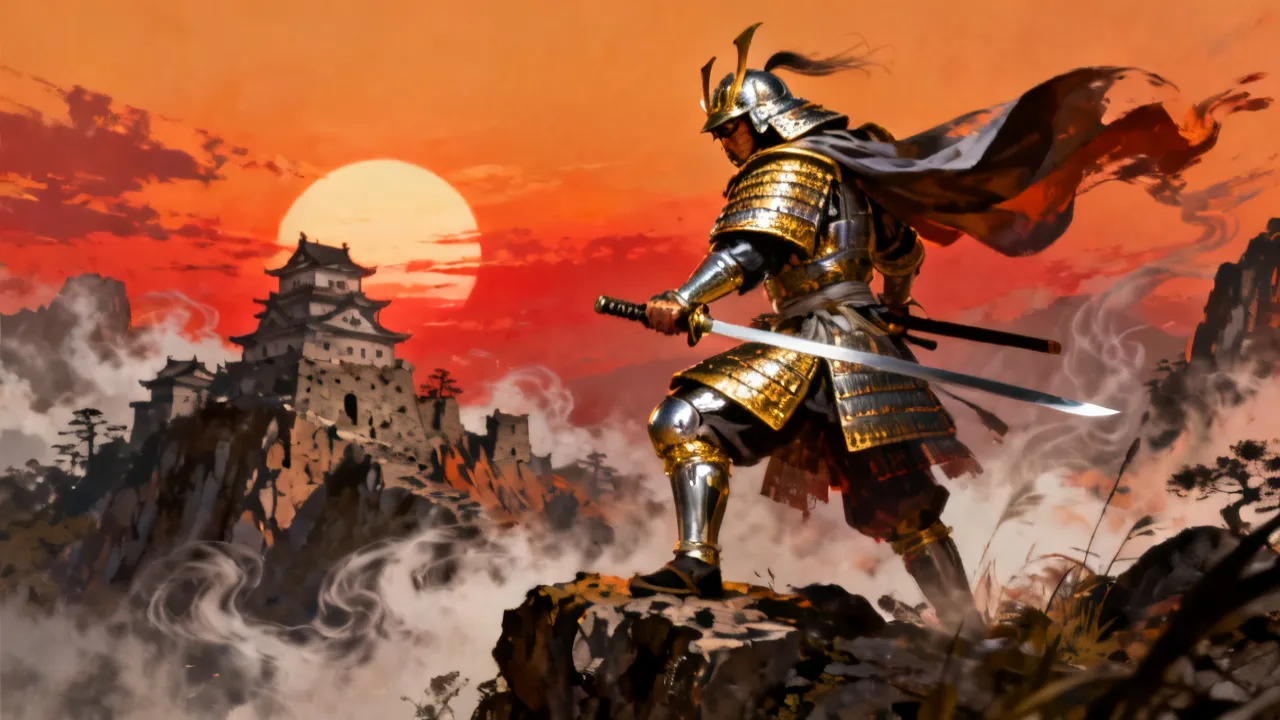
Unraveling the Shogun Assassination Arc
Delve into the intricacies of the Shogun Assassination Arc, a pivotal storyline within the acclaimed anime series Gintama. This arc captures an intense narrative filled with political intrigue, complex character development, and breathtaking combat sequences. It is renowned for its strategic depth and emotional resonance, leaving an indelible mark on fans and the anime industry alike.
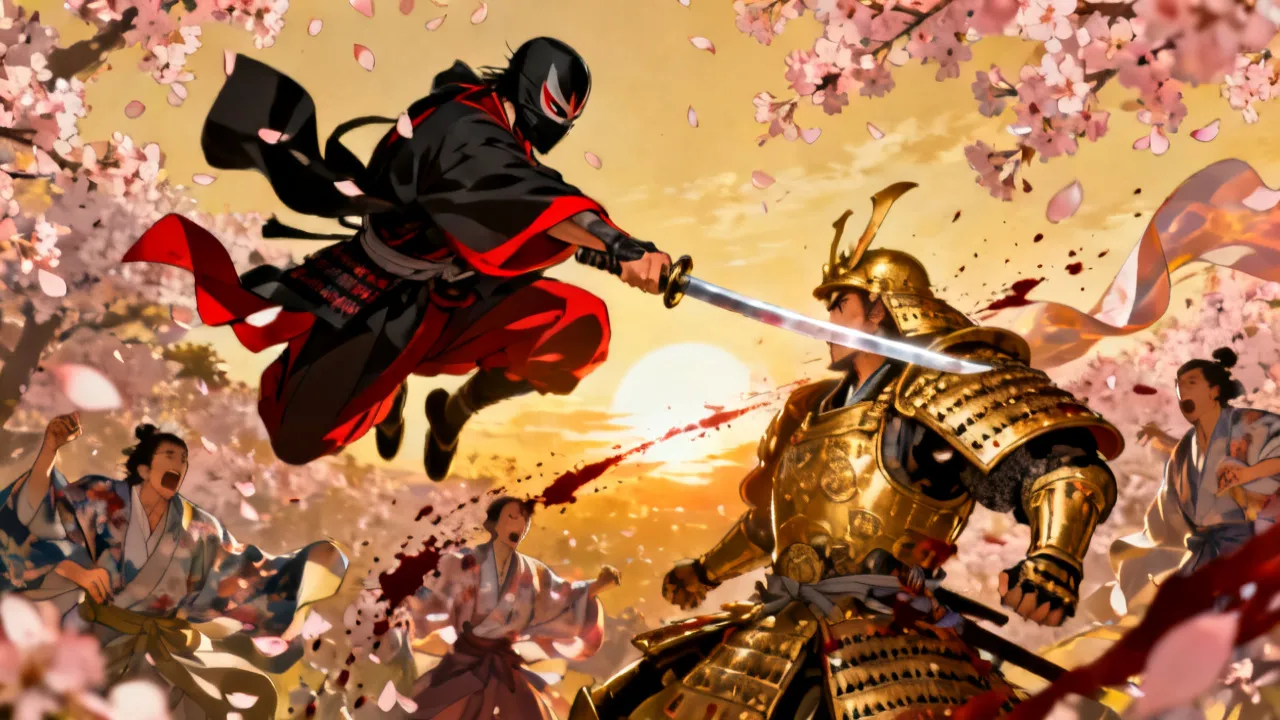
An Overview of the Shogun Assassination Arc
The Shogun Assassination Arc stands as one of the very celebrated and dramatic segments in the expansive Gintama series. This narrative arc dives deep into the turbulent waters of Edo's political landscape, honing in on a meticulously plotted attempt to assassinate the Shogun. While Gintama is often celebrated for its comedic brilliance, this particular arc demonstrates the series' ability to balance humor with high-stakes drama and rich storytelling.
This arc not only captures the essence of Gintama's unique blend of genres but also serves as a critical reflection of the socio-political issues prevalent in the world of the series. Stemming from a rich blend of historical references, folklore, and the creator’s own intricacies, the arc showcases a narrative texture that resonates deeply with the audience, highlighting the absurdity yet gravitas of political manipulation and power struggles.
Thematic Depth and Character Exploration
What sets the Shogun Assassination Arc apart is its profound themes of loyalty, betrayal, and the quest for justice. The arc meticulously unravels the complex web of alliances and enmities that define this period, painting a vivid picture of characters grappling with their allegiances. The growth and transformation observed in many characters during this arc add a layer of emotional depth, turning each episode into a meaningful segment of the larger narrative tapestry.
In particular, characters like Gintoki, Shinpachi, and Kagura face intense moral challenges that force them to reevaluate their relationships and motivations. Amidst the chaos, viewers witness Gintoki's unwavering determination to protect the Shogun—despite his often disdainful attitude towards authority—illustrating a compelling paradox in his character. The juxtaposition of personal goals against larger existential threats reveals a nuanced portrayal of heroism.
Moreover, the arc invites reflections on the nature of governance and the responsibilities borne by those who wield power. Characters such as Shouyou and Takasugi signify fundamentally different responses to authority and justice, creating a dichotomy that reflects real-world philosophical debates. The arc presents a rich examination of what it means to fight for one’s beliefs, making the stakes seem ever more relevant, both within the narrative and in contemporary settings.
Strategic Intricacies and Storytelling
The plot is ingeniously crafted with numerous twists and turns, ensuring that audiences remain engaged throughout its length. The Shogun Assassination Arc is particularly lauded for its strategic battles and tactical maneuvers. Each move made by the characters seems to carry significant weight, affecting not only the immediate skirmishes but also the broader geopolitical dynamics at play within the Shogun's court. The attention to detail in battle choreography and political maneuvering is exceptional, captivating both seasoned anime enthusiasts and new viewers alike.
Key encounters and dramatic confrontations are often interspersed with comedic moments, embodying Gintama's signature style. Yet, the arc carefully balances these moments of levity with profound scenes of tension that serve to heighten the stakes and emotional investment for the audience. As characters engage in combat, strategic exchanges, and dangerous intrigue, the script cleverly incorporates moments that reveal both personal vulnerabilities and the monumental shifts in power dynamics, making each conflict resonate on multiple levels.
The pacing remains consistent, carefully constructing tension and resolution in a manner that keeps viewers on the edge of their seats. Each episode acts like a layer that builds up to climactic confrontations wherein the resolution of each subplot demonstrates the interconnectivity of characters’ motivations, showcasing narrative craftsmanship that is both rewarding and engaging. Crucially, the techniques employed in this arc have set benchmarks for storytelling within anime, influencing subsequent works and earning scholarly analysis for their richness and depth.
Artistic Excellence and Cinematic Impact
In terms of visual storytelling, the arc is a masterpiece. The atmospheric animation, combined with emotionally stirring soundtracks, creates moments of tension that are both visually and aurally impactful. Scenes depicting the bustling streets of Edo, the Shogun's palace, and the intense confrontations are crafted with a level of finesse that underscores the arc’s significance within the Gintama series.
Attention to detail extends beyond mere visuals; the character designs and settings are meticulously crafted to reflect the era's cultural aesthetics, embodying a rich historical context while enhancing the engaging narrative. Edgy action sequences and emotional exchanges are animated with a dynamic quality, allowing viewers to feel the impact of each blow and the weight of every emotional confession.
Additionally, the soundtrack of the Shogun Assassination Arc deserves acclaim for its ability to amplify the dramatic moments. The music ranges from sweeping orchestral arrangements that accentuate the gravity of important scenes to more subtle, introspective scores that convey vulnerability and reflection. These auditory elements not only augment the viewing experience but also serve as crucial narrative tools by underscoring the emotional core of the story, ensuring that the audience is fully immersed in the world of Gintama.
Character Dynamics and Relationships
At the core of the Shogun Assassination Arc is a complex web of interactions and relationships that elucidates both character growth and the impact of affiliations on personal motivations. The length and breadth of character dynamics portrayed throughout this arc enrich the narrative, providing a multi-faceted view of loyalty, honor, and the essence of true friendship.
The relationship between Gintoki and the Shogun, Yoshida Shouyou, serves as a focal point in illustrating the struggles of understanding authority and the complexities of friendship. Gintoki’s willingness to protect the Shogun—whom he has often considered an imperfect leader—raises compelling questions about justice and protection. Their relationship is riddled with conflicting emotions, reflecting the ambivalence of respect versus resentment in politically charged environments.
Other key characters, such as Katsura, Takasugi, and the supporting cast of the Shinsengumi, exhibit differing perspectives on allegiance. Their motivations are grounded in a mix of personal history, political ambition, and a desire for change. These various allegiances add layers to the narrative, making battles not simply a test of physical prowess but an ideological clash. For instance, Takasugi’s radical views juxtaposed against Katsura’s more ethical approach to resistance allows viewers to witness the spectrum of ideological thought present during times of upheaval.
Moreover, through their interactions, emotional scars begin to surface, revealing deeper flaws and vulnerabilities. Characters confront past traumas and fears, humanizing them and allowing audiences to empathize with their struggles. The bond between the protagonists proves essential during times of crisis, showcasing the strength of unity in the face of adversity. This not only enriches the storyline but also provides a mirror for real-world relationships amidst chaos and conflict.
Impact on the Gintama Universe
As a pivotal narrative thread within the broader Gintama universe, the Shogun Assassination Arc sets in motion events that have lasting repercussions throughout the series. The choices made by characters in this arc resound far beyond its immediate context, influencing future arcs and character trajectories significantly. This impact is felt in the evolving dynamics of power within the series, as remnants of the Shogun's political machinations ripple throughout subsequent episodes.
The consequences of the assassination plot reveal the fragility of political structures in the Gintama world. With characters like Kamui and the various factions of the Yato clans coming into play, the stakes grow exponentially as personal agendas collide with overarching narratives of rebellion and obedience. This intersection of personal stories and grand political strategies ensures that the evolution of character arcs is intricately connected, presenting a cohesive and well-thought-out universe.
Moreover, the arc introduces key themes of redemption and unresolved tensions that echo through the halls of Fitzgerald’s storytelling approach throughout Gintama. By highlighting the evolution of characters who have once walked the path of betrayal or disillusionment, the series offers narratives about hope and the potential for change against the backdrop of turbulent politics. The establishment of these themes ensures that the Shogun Assassination Arc remains relevant in the larger tapestry of Gintama lore, preserving its significance even in the face of forthcoming challenges.
Visual and Cultural Influences
The Shogun Assassination Arc not only excels in storytelling and character exploration but also serves as an insightful commentary on cultural themes and historical contexts. Drawing on numerous historical precedents, the arc weaves together an interpretation of Japan’s feudal system while evoking imagery reminiscent of the tumultuous Edo period—a time characterized by power struggles among samurai, daimyos, and various clans.
The art style, specifically in this arc, pays homage to traditional Japanese aesthetics while also infusing modern animated sensibilities, lending a distinctive flavor to the visuals. Attention to the color palette, character costumes, and environment ensures authenticity while simultaneously retaining the unique Gintama flair. The series juxtaposes whimsical aspects with a realistic portrayal of historical enmities and political complexities, producing a paradox that reflects the tumult of cultural identity during Japan's modernization phase. This careful creation provides audiences, both international and domestic, with an authentic experience that remains rooted in Japan’s historical lore.
Furthermore, the arc utilizes humor and satire to comment on the absurdities of absolute power and authority. Through a lens of caricature, it critiques the systems that uphold traditional social hierarchies, making it both accessible and relevant. This balance of humor with seriousness resonates with wider social narratives, illustrating how art can mirror life’s complexities in poignant and engaging ways. The recognition of cultural influences not only enriches the story but also elevates the viewing experience, prompting conversations around reading historical texts through contemporary lenses.
FAQs
- Why is the Shogun Assassination Arc pivotal in Gintama?
It combines elements of political intrigue, character evolution, and emotional storytelling, offering a comprehensive view of the anime's thematic richness. It stands as a critical juncture that seamlessly melds the series’ comedic leanings with profound emotional gravity.
- What character developments occur during this arc?
Main characters face moral dilemmas and shifting allegiances, providing deeper insights into their personalities and motivations. Characters evolve under pressure, learning to navigate complex relationships amidst a precarious political landscape.
- How does the arc impact the overall Gintama storyline?
The events in this arc set the stage for subsequent storylines, significantly influencing the series' narrative trajectory. It creates a domino effect that shapes character fates and future conflicts, ensuring that the narrative remains cohesive.
- What are some of the significant themes presented in this arc?
The main themes revolve around loyalty, betrayal, justice, and the consequences of one’s choices in the face of moral ambiguity. These themes play out through character interactions and plot developments, making the story poignant and thought-provoking.
- How does the Shogun Assassination Arc integrate humor within its serious narrative?
By interspersing comedic interludes within tense moments, the arc maintains Gintama's trademark humor, providing relief while still addressing serious stakes. This duality enhances emotional engagement and allows for a dynamic viewing experience.
Conclusion: The Lasting Legacy
The Shogun Assassination Arc is much more than a series of episodes within the vast expanse of the Gintama anime. It is a winding narrative that manages to weave together the comedic, dramatic, and epic threads that the series is renowned for. Whether dealing with themes of sacrifice, friendship, or political intrigue, the arc leaves a profound impact on its viewers and cements its place within anime history as a gold standard of storytelling.
As the audience reflects on the multifaceted layers of narrative, character motivations, and philosophical inquiries raised, it becomes clear that the Shogun Assassination Arc occupies a place of significance that extends beyond mere entertainment. It challenges viewers to consider the complexity of human relationships, the nature of authority, and the responsibilities of those in power. As the world around them continues to evolve, the messages and artistic brilliance of this arc will undoubtedly continue to resonate, drawing in new generations eager to delve into the rich world of Gintama.
In conclusion, the Shogun Assassination Arc exemplifies the mastery of storytelling within the Gintama series, showcasing how profound thematic exploration can coexist with humor and wit. As viewers revisit this arc time and again, they are invited to experience the emotional journeys of beloved characters anew, marking the arc as an essential milestone in anime history that invites admiration and critical discourse alike. Through its intricate narrative design, character depth, and sociocultural commentary, the Shogun Assassination Arc remains not only a significant entry in the Gintama saga but also a powerful reflection on the enduring themes of humanity, politics, and the question of what it truly means to fight for one’s beliefs.
-
1

Discovering Springdale Estates
-
2
Complete Dental Implants in One Day
-
3
Navigating Senior Living Options
-
4
Transform Your Lifestyle: Discover the Elegance and Swift Convenience of Designer Prefabricated Homes!
-
5
Guiding Your Family Through the Conversation: Navigating a Lung Cancer Diagnosis Together