
The Shogun Assassination Arc Unveiled
The Shogun Assassination Arc is a pivotal storyline within the popular anime series Gintama. Known for its engaging narrative and character development, the arc delves into themes of loyalty, power struggles, and moral ambiguity. This article explores the intricate details of the Shogun Assassination Arc, its contribution to the overall plot, and its enduring impact on fans.
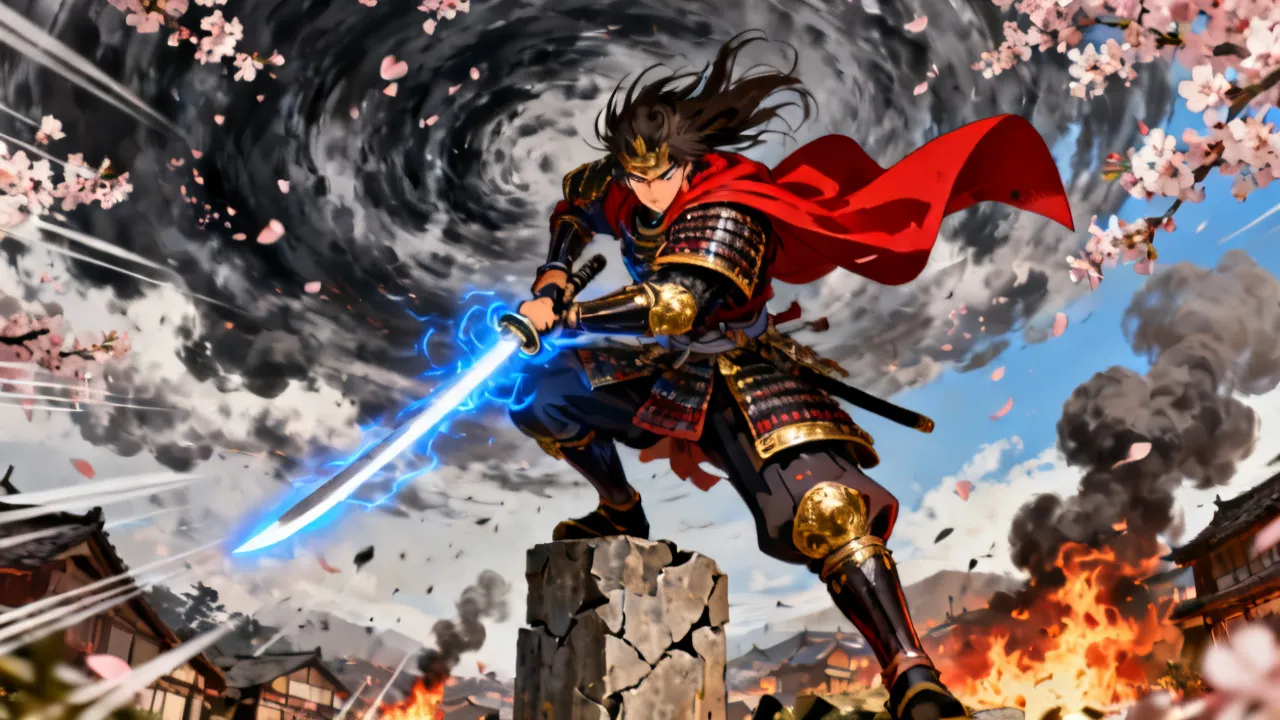
Unraveling the Shogun Assassination Arc
The Shogun Assassination Arc is a remarkable segment within the anime series Gintama, praised for its intricate plot dynamics and the profound depth it brings to the series. Set in the alternate-history Edo period, the arc significantly enhances the narrative complexity by exploring intense themes of political intrigue, loyalty, and moral dilemmas. The meticulous layering of dramatic elements creates an engaging experience, drawing viewers into its depth with a unique blend of action, humor, and poignant moments.
The Rich Tapestry of Gintama's Narrative
Gintama, the beloved manga and anime series created by Hideaki Sorachi, is renowned for its satirical humor and heartfelt storytelling. It manages to subvert typical anime tropes, producing a narrative that evolves over time in unexpected ways. Amidst its comedic facade, the series tackles deeper themes, and the Shogun Assassination Arc is a testament to Gintama's ability to balance humor with serious subject matter. Set in a world where samurais and aliens coexist, the series follows the Odd Jobs trio—Gintoki, Shinpachi, and Kagura—as they navigate through life in a volatile period marked by political unrest. The richly woven socio-economic details not only serve as background but also influence character decisions and the overall plot trajectory.
A Comprehensive Analysis of the Arc’s Themes
The Shogun Assassination Arc sets itself apart by diving deeply into themes of honor and betrayal. The philosophical underpinnings of the narrative invite viewers to question the principles of loyalty and the price of maintaining one’s honor. A persistent air of suspense is maintained through methodical character development and unforeseen plot twists. The arc's narrative pace quickens as it builds towards an inevitable confrontation, enhancing the stakes at hand. As alliances shift and secrets unravel, the story lays bare the intricate workings of power structures in a society where loyalty is often bought and integrity tested.
Crucial Plot Developments
At the heart of the Shogun Assassination Arc lies an elaborate conspiracy aimed at destabilizing the ruling Shogunate. The arc meticulously portrays the tension between various factions vying for influence, culminating in jaw-dropping betrayals that shake the core of established relationships. The stakes are raised with the Shogun’s life at risk, making room for numerous character arcs to diverge or converge among the central tension. We see characters like Katsura, who grapples with his ideals of revolution and justice, ultimately finding oneself in a precarious balance between radicalism and fundamental loyalty to their countrymen. It’s not simply about the assassination; it’s about what drives individuals to particular allegiances or choices, a philosophy that unravels as motivations come to light.
Character Evolution and Conflict
Character development is a central pillar of this arc. The Odd Jobs team, along with their allies, face ethical challenges that demand introspection and courage. Gintoki, known for his relaxed demeanor oftentimes hiding a chaotic mindset, is pushed into a corner where his decisions have monumental implications for his comrades. Characters are developed with depth as they confront their past choices and future aspirations, individually interacting with the broader philosophical questions the arc poses. Take Kagura, for instance; her journey not only reflects personal growth but also emphasizes the importance of understanding one’s identity amidst uncertainty. This compelling evolution adds layers of complexity to their personas, enhancing audience engagement and investment in the narrative outcome. Audience members find themselves aligning with characters, experiencing their struggles, and reflecting on their circumstances—whether through humor or corruption.
Relational Dynamics and Tensions
The Shogun Assassination Arc is not solely about individual character journeys; it also delves into relational dynamics that highlight trust, manipulation, and the complexities of human connections under duress. The friendships that form the foundation of the Odd Jobs team come under strain as new challenges appear. Gintoki’s relationships with characters like Hijikata and Tsūmura grow more intricate, filled with confrontations that force each character to evaluate their alliances. Furthermore, the tension woven between the different factions—whether syndicate leaders manipulating the Shogunate or the samurai struggling to retain honor against the encroaching threat—brings light to the depths of loyalty. These dynamics compel the narrative forward, making the viewer deeply conscious of the interconnectedness of each character’s journey.
Political Intrigue and Social Commentary
Embedded within the arc’s engaging storytelling lies a sharp critique of ambition and power dynamics that persist both in fictional realms and in society at large. The inner workings of the Shogunate and the rival factions represent real-world political maneuverings, highlighting how ambition can corrupt ideals. This social commentary is life-affirming and crucial, as it raises questions about the very constructs that govern society. Characters that embody the trait of ambition expose the darker sides of human nature, prompting the audience to reflect on the ramifications of political power and societal structures. Sorachi utilizes the narrative as a vehicle to provoke thought, often leaving the audience to ponder the implications of the characters' choices long after the episode concludes.
Impact and Legacy
The Shogun Assassination Arc significantly impacted the Gintama fandom, engraining itself as a definitive part of the series. Its intense and evocative storytelling, coupled with its masterful blend of humor and drama, resonates with audiences, leaving them pondering the nature of power and justice. The narrative's ability to navigate complex character motivations and weave in social critique sets a precedent in anime storytelling that transcends typical genre confines. This narrative prowess has cemented the arc's status as a classic, elevating Gintama beyond its comedic surface to reveal a profound exploration of human ethics. As fans continue to engage with these episodes, discussions flourish about the implications embedded in character choices and the nuances of morality.
FAQs
- What is the Shogun Assassination Arc?
The Shogun Assassination Arc is a storyline in the anime Gintama, emphasizing themes of political intrigue and loyalty. It deeply analyzes the complexities of power, honor, and betrayal within a richly crafted narrative.
- Why is this arc significant?
The arc stands out for its character complexity, moral dilemmas, and impactful plot twists, offering a comprehensive view of Gintama’s deeper themes. It marks a pivotal moment in character development and challenges the audience's perception of justice and allegiance.
Exploring Deeper Connections
As the Shogun Assassination Arc unfolds, it sets the stage for subsequent developments in Gintama, influencing character arcs and leaving a lasting legacy. The connections forged and broken during this period reverberate throughout the series, illustrating the intricate interconnectedness of fate and free will in the narrative universe. Characters evolve in their relationships, creating ripples that affect future storylines. The political machinations of the Shogunate continue to be a touchstone in later arcs, reminding the audience of the ever-present influence of power even when humor and lighter themes take center stage.
The Role of Comedy in the Arc
While the Shogun Assassination Arc deals with grave matters, Gintama is self-aware enough to infuse comedic elements at pivotal moments, easing tension while still underlining the weight of the plot. The interplay of comedy and drama is deftly balanced, with characters often resorting to humor as a coping mechanism in dire situations. This clever juxtaposition not only provides relief to the viewer but enhances character depth, revealing their complexities. The absurdity of certain situations, thrown against the backdrop of intense political strife, reminds us that the human experience is multifaceted. Humor becomes an essential tool to navigate catastrophes and despair, making the moment's weight felt more profoundly.
Fan Reception and Community
Fan engagement with the Shogun Assassination Arc has been enthusiastic, with discussions frequently cropping up in forums, fan art, and social media platforms. The narrative and its characters inspire dialogue that extends beyond mere enjoyment of the anime; they resonate deeply with real-life struggles regarding morality, values, and the burdens of leadership. Online communities have catalyzed discussions about the philosophical underpinnings of the arc, inviting a wide range of interpretations and analyses. Through various content avenues—be it YouTube analyses, Reddit discussions, or fan fiction—enthusiasts articulate their thoughts and engage with the themes explored in this monumental story. The strong character arcs have led to recognition of Gintama as an anime that transcends comedy-centric genres, earning a dedicated fan base that values storytelling at its core.
Conclusion
The Shogun Assassination Arc is a masterpiece of storytelling that highlights the capability of Gintama to weave together humor, action, and profound existential questions. By dissecting elements of loyalty and power, it transcends its genre, offering rich thematic depth and leaving a legacy that continues to inspire and captivate audiences globally. Its exploration of human emotions and ideological conflicts fosters dialogue around ethics and personal responsibility, making it a significant contribution to the medium. As viewers engage with this arc, they are reminded that in every laugh lies the reverberation of deeper truths—a hallmark of Gintama that celebrates the complexity of human existence.
-
1

Discovering Springdale Estates
-
2
Complete Dental Implants in One Day
-
3
Navigating Senior Living Options
-
4
Transform Your Lifestyle: Discover the Elegance and Swift Convenience of Designer Prefabricated Homes!
-
5
Guiding Your Family Through the Conversation: Navigating a Lung Cancer Diagnosis Together




