This article delves into the intricate world of 40bname2,2a, elucidating its significance in contemporary industry practices. Situated in the realm of advanced data management technologies, 40bname2,2a offers a cutting-edge approach to optimizing business processes. With a commitment to enhancing operational efficiency, understanding its intricacies is crucial for modern enterprises.

40bname2,2a stands as a beacon of innovation in the field of data management, playing a pivotal role in transforming how businesses handle information. This sophisticated system is not just a technological marvel but a necessary evolution for companies aiming to thrive in today's data-driven economy. As enterprises increasingly rely on precise data for strategic decision-making, 40bname2,2a presents an invaluable solution, capable of adapting to the diverse and dynamic needs that businesses face.
With a foundational emphasis on integrating complex data sets, 40bname2,2a offers substantial improvements to the way organizations sift through massive amounts of information. The technology encapsulates a range of features that are tailored towards enhancing data quality, ensuring safety, and facilitating speedy analysis. Additionally, as consumers grow increasingly sophisticated in their interactions with businesses, the requirements for swift, accurate, and meaningful data analysis only sharpen. Herein lies the true value of 40bname2,2a—its ability to anticipate and meet these evolving trends effectively.
The implementation of 40bname2,2a technology is a game-changer for organizations that prioritize data accuracy and accessibility. By integrating state-of-the-art algorithms and robust data processing capabilities, businesses can streamline operations, enhance productivity, and maintain a competitive advantage. Essentially, 40bname2,2a simplifies data complexities, turning raw information into actionable insights that drive strategic initiatives.
Moreover, the system enables comprehensive reporting and visualization tools that can transform how stakeholders perceive data. This clarity leads to better-informed discussions, especially in board meetings where pivotal decisions are made. While conventional data systems often drown users in cluttered information, 40bname2,2a uses intelligent data visualization techniques that make analytical findings accessible and comprehensible, thus fostering a culture of data-driven decision-making across all levels of the organization.
At its core, 40bname2,2a excels in automating data processes, thereby reducing manual intervention and errors. Its architecture supports robust data integration from multiple sources, ensuring a holistic view of organizational data assets. Additionally, with real-time analytics capabilities and automated reporting features, businesses can pivot strategies swiftly in response to market dynamics.
Automation extends beyond merely reducing human error; it enhances operational efficiency. For example, tasks such as data entry, report generation, and trend analysis, which typically consume valuable employee time, can now be streamlined. With 40bname2,2a, employees can redirect their focus towards strategic tasks, such as developing narratives around the data and formulating growth tactics.
Furthermore, the system's machine learning algorithms allow for predictive analytics, providing organizations with foresight that can significantly influence strategic planning. Companies can model various scenarios based on past and present data, allowing them to simulate future operations or market conditions, refining their approaches before implementation.
Industries ranging from finance to healthcare, manufacturing to retail, have found immense value in deploying 40bname2,2a systems. For instance, in finance, it aids in predictive analytics and risk management, whereas in healthcare, it enhances patient data management and clinical decision-making.
| Industry | Benefits of 40bname2,2a |
|---|---|
| Finance | Improves risk management and boosts predictive analytics. |
| Healthcare | Streamlines patient data management and supports clinical decisions. |
| Manufacturing | Optimizes supply chain and enhances quality control processes. |
| Retail | Enhances customer insights and improves inventory management. |
In the manufacturing sector, for instance, 40bname2,2a can transform production lines by leveraging real-time data analytics to optimize supply chain management. This technology not only assists manufacturers in tracking material flow and identifying bottlenecks but also enhances quality control processes by detecting anomalies and predicting maintenance needs before they occur, ultimately reducing downtime and improving overall productivity.
Retailers benefit significantly as well, utilizing 40bname2,2a technology to analyze purchasing behaviors and consumer trends. By harnessing customer insights gleaned from data, businesses can improve their inventory management systems, ensuring that stock levels align closely with demand. This alignment not only results in cost savings but also a heightened customer satisfaction due to better product availability.
Despite its advantages, the adoption of 40bname2,2a poses certain challenges that businesses must navigate carefully. One critical consideration is data security. As organizations handle larger volumes of sensitive information, the stakes increase for potential data breaches or misuse. Consequently, implementing robust security protocols is paramount. This may include encryption, access controls, and regular audits to ensure compliance with data protection regulations.
Additionally, companies must ensure proper integration with existing systems, which can sometimes be a complex and resource-intensive process. This involves analyzing legacy systems, understanding data flows, and implementing middleware solutions that facilitate smooth transitions. Balancing these requirements against resource availability poses an ongoing challenge during the execution of a 40bname2,2a implementation.
Moreover, managing the cost implications of such advanced technology is another hurdle to overcome. The financial investment in 40bname2,2a might initially seem prohibitive; however, organizations should consider the long-term benefits and cost savings it will ultimately provide. By demonstrating the return on investment and consistently aligning the technology's capabilities with business goals, stakeholders can better understand the value it brings.
Furthermore, training staff to effectively utilize these systems is crucial for deriving maximum benefits. Training programs should focus not only on the operational aspects of using 40bname2,2a but also on fostering a data-centric culture within the organization. When employees embrace a mindset that values data as a vital asset, they can leverage 40bname2,2a to maximize organizational success.
As technology evolves, 40bname2,2a is poised to incorporate more advanced features such as AI-driven analytics, machine learning capabilities, and enhanced user interfaces. The incorporation of artificial intelligence represents a natural progression—leveraging machine learning to provide deeper insights and predictive capabilities. For example, advanced customer segmentation could emerge from data patterns, allowing businesses to tailor their marketing strategies more effectively and improving customer engagement.
The continuous improvement and adaptation of this technology are imperative for businesses striving for sustainable growth and innovation. By staying ahead of the curve, organizations can not only optimize their operations but can also explore new revenue streams and operational models, thus future-proofing themselves. Collaboration with tech innovators can further catalyze the development of new functionalities within 40bname2,2a, ensuring its relevance and effectiveness in the face of shifting market landscapes.
The strategic adoption of 40bname2,2a represents a commitment to excellence in data management that no organization can afford to overlook. Companies that invest in this technology stand to gain significant advantages in efficiency, decision-making, and overall performance, positioning themselves as leaders in their respective industries. The benefits of real-time analytics, enhanced data security, and improved accessibility converge to bolster organizational agility and responsiveness.
Therefore, it is imperative for industry leaders to explore and understand this cutting-edge solution. Beyond just implementation, organizations should foster a culture that embraces technological advances while prioritizing continuous learning among their personnel. As the technological landscape continues to evolve, maintaining a competitive edge requires not only investment in tools like 40bname2,2a but a holistic approach to integrating these tools into the fabric of corporate strategy. The journey towards a fully data-driven organization begins with acknowledging the potential of 40bname2,2a and committing to its effective utilization.
In conclusion, organizations must embrace the 40bname2,2a paradigm to leverage the full potential of data management technology. By adeptly navigating the challenges, focusing on innovative applications, and cultivating a culture conducive to data-driven practices, businesses will not just survive but thrive in an increasingly competitive marketplace.



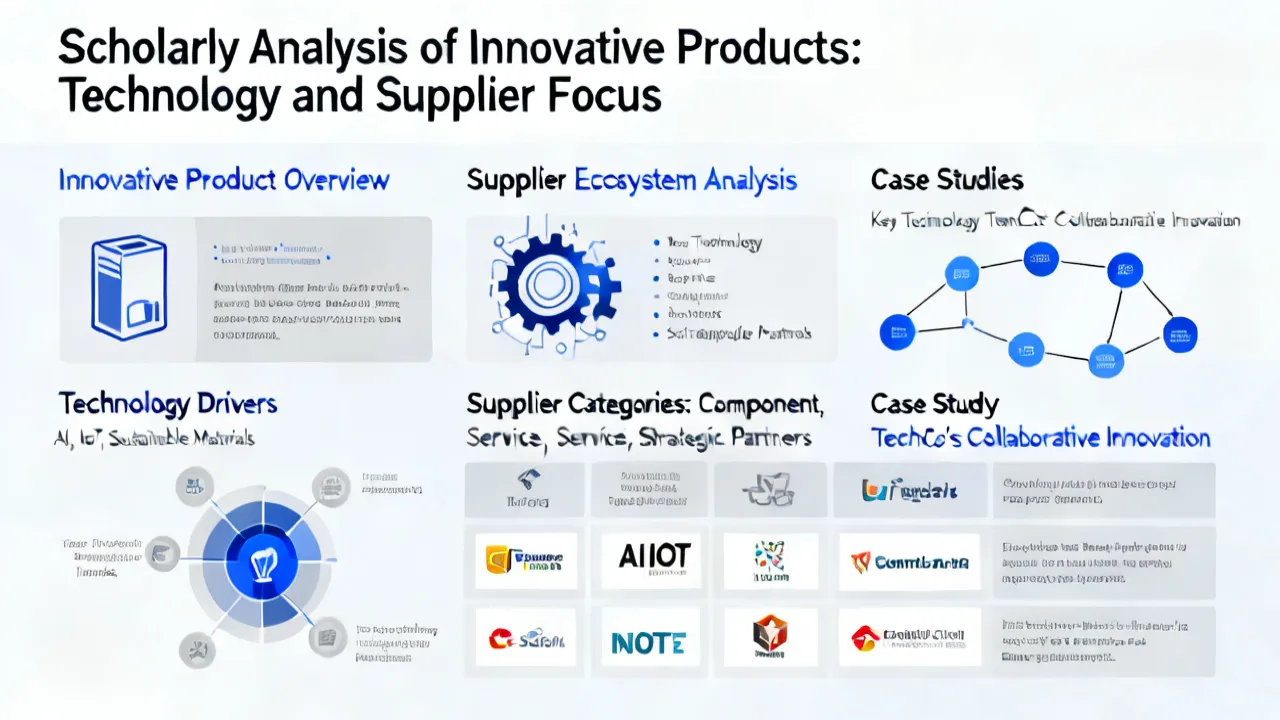
This article offers a thorough exploration of 40bname2,2a, focusing on its technological advancements, market positioning, and supplier implications. Delving into the significance of this product in the industry, we uncover pivotal insights that benefit both consumers and businesses. Discover how 40bname2,2a shapes your day-to-day experiences in an ever-evolving technological landscape.
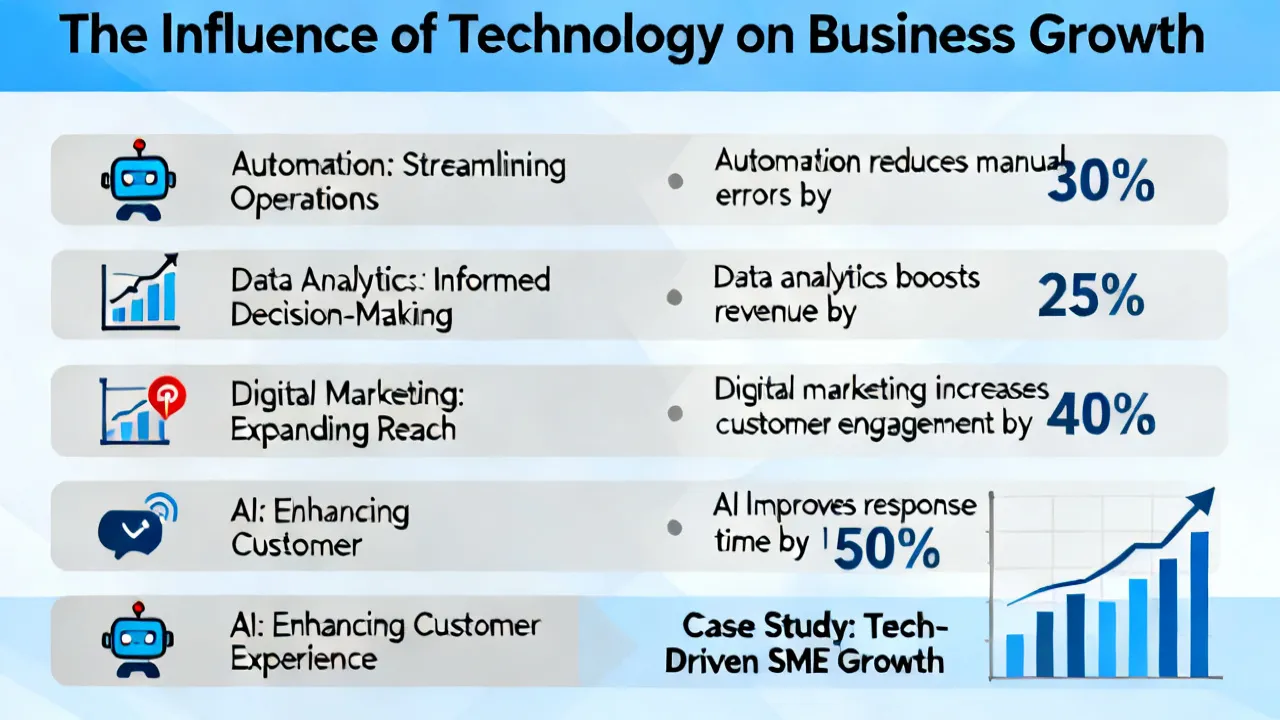
This guide delves into the influence of technology on business strategies and operations. Centering around the keyword "40bname2,2a", it examines industry shifts due to technological advancements. Highlighting critical components that businesses must adapt to thrive digitally, it includes comprehensive insights sans exaggerated claims or predictions.
This article delves into the intricate world of 40bname2,2a, elucidating its significance in contemporary industry practices. Situated in the realm of advanced data management technologies, 40bname2,2a offers a cutting-edge approach to optimizing business processes. With a commitment to enhancing operational efficiency, understanding its intricacies is crucial for modern enterprises.

This article delves into the complex realm of 40bname2,2a, interpreting its significance from an academic point of view. As a term entrenched in intricate contexts, it demands a thorough exploration to truly understand its applications and implications in various fields, making this piece a valuable resource for enthusiasts and scholars alike.

This comprehensive guide delves into the Ynmc 5b, a pioneering device in its field. The Ynmc 5b represents a pinnacle of innovation, merging advanced technology with accessibility to enhance its applications across various domains. This article explores its features, potential applications, and answers frequently asked questions to provide a full understanding for both industry experts and newcomers.

This guide explores 55places.com, an invaluable resource for locating retirement communities. 55places.com specializes in connecting retirees with age-targeted housing options across the United States. The site leverages expert insights, comprehensive listings, and detailed community reviews, making it a go-to source for planning your perfect retirement lifestyle.

