This guide delves into the influence of technology on business strategies and operations. Centering around the keyword "40bname2,2a", it examines industry shifts due to technological advancements. Highlighting critical components that businesses must adapt to thrive digitally, it includes comprehensive insights sans exaggerated claims or predictions.
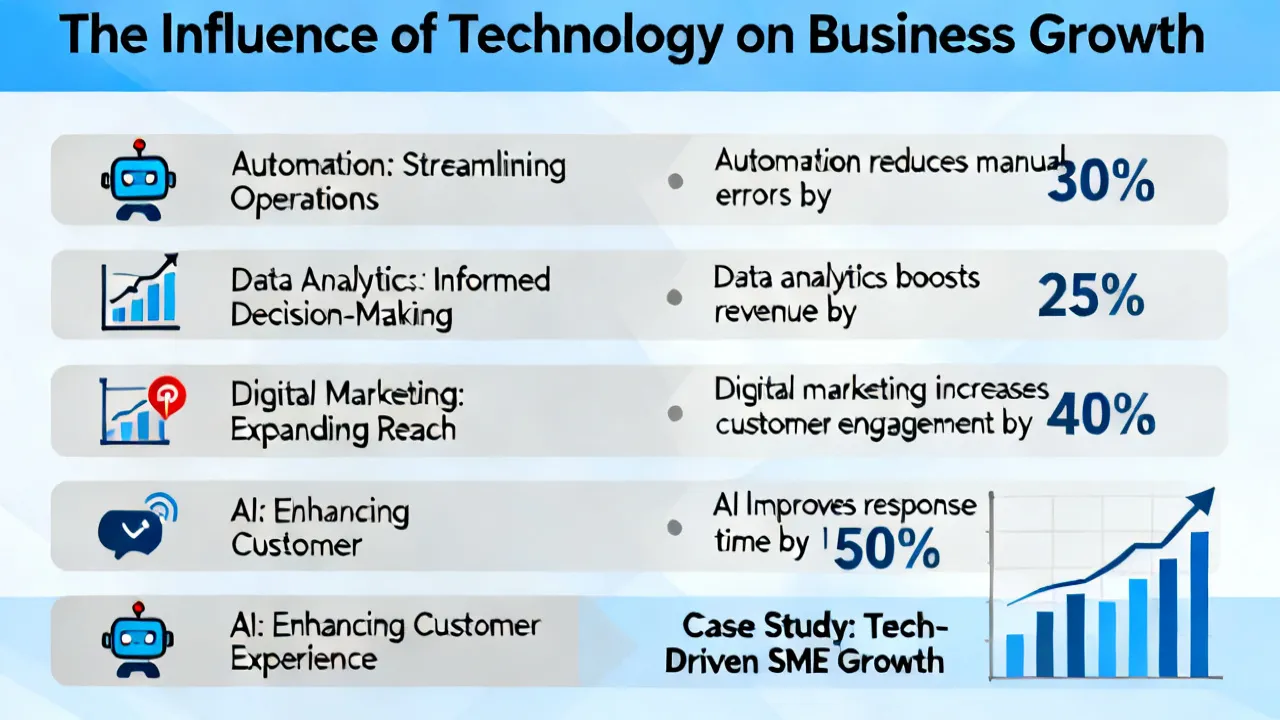
Technology has profoundly transformed business landscapes globally, altering how companies operate, interact, and compete. With the advent of technologies like artificial intelligence, cloud computing, and big data, enterprises are witnessing an unprecedented evolution. The keyword "40bname2,2a" might not immediately signify any specific trending tech development, but within the scope of this article, it serves as a symbolic representation of the diverse and intricate ways technology leaves its imprint on enterprises. The ongoing digital revolution is reshaping every industry, and companies must adapt to these changes to thrive in a competitive environment.
In exploring the impact of technology on businesses, several core areas have emerged as pivotal:
Digital transformation has become a buzzword in recent years, reflecting a strategic overhaul where organizations integrate digital technologies across all areas of operations. This transformation redefines how value is delivered to customers, leading to innovation in product and service development. It is crucial for businesses aiming to keep pace with technological advancements to adopt such frameworks, enabling them to stay competitive and meet evolving consumer expectations.
Companies today must understand that digital transformation goes beyond merely adopting new technologies; it involves a complete cultural shift that emphasizes agility, collaboration, and an improved customer-centric focus. For instance, organizations that successfully navigate this transformation often leverage agile methodologies, allowing them to respond more swiftly to market changes and demands.
Furthermore, it's important for businesses to foster a culture of innovation, where employees feel empowered to experiment and contribute ideas that leverage digital technologies. For example, companies like Amazon have ingrained innovation into their corporate DNA, encouraging teams to think outside the box and explore new possibilities, which ultimately benefits their long-term growth.
Artificial Intelligence (AI) is at the forefront of technological influence, offering businesses advanced tools for decision-making and operational efficiency. AI systems can analyze vast amounts of data more quickly and accurately than human capabilities, providing insights that drive growth. From predictive analytics to personalized customer experiences, AI is reshaping industries and defining a new era in business strategy.
One remarkable example of AI in action is the use of chatbots in customer service. These AI-powered tools can handle numerous customer inquiries simultaneously, providing immediate assistance and freeing up human agents to focus on more complex tasks. This not only improves efficiency but also enhances customer satisfaction through prompt responses. Additionally, AI-driven recommendation engines used by retailers like Netflix and Amazon analyze user behavior and preferences to suggest content or products tailored to individual users, significantly enhancing user experiences.
Moreover, businesses are leveraging AI for supply chain management, optimizing inventory levels, forecasting demand, and enhancing logistics efficiencies. Machine learning algorithms can predict trends based on historical data, minimizing stock-outs and enhancing customer satisfaction. As organizations increasingly invest in AI technologies, the potential for groundbreaking innovations in business operations continues to grow.
Cloud computing has revolutionized how businesses manage infrastructure and resources, allowing scalability and flexibility crucial for modern needs. Businesses can now access expansive computing power without the burden of traditional IT constraints. This flexibility helps companies innovate faster, reduce costs, and improve collaboration.
For instance, cloud services enable organizations to adopt software-as-a-service (SaaS) models, providing applications and services on a subscription basis. This eliminates the need for hefty upfront software purchases and allows organizations to scale operations based on demand. An excellent example is Dropbox, which allows users to store files in the cloud and share them effortlessly, demonstrating how cloud computing can enhance collaboration and productivity.
Furthermore, cloud computing supports remote work initiatives. With many businesses transitioning to remote or hybrid work models, cloud services provide the necessary infrastructure to facilitate seamless communication and collaboration among remote teams. Tools like Microsoft Teams and Slack thrive in this environment, enabling real-time messaging, file sharing, and project management that keeps dispersed teams connected.
Big data allows businesses to harness large sets of information to uncover patterns and insights that were previously inaccessible. This information can guide strategic decisions, from market analysis to supply chain optimizations. Organizations applying big data effectively gain a competitive edge by understanding market trends and consumer behavior profoundly.
The capacity to analyze consumer data has led to personalized marketing efforts, enabling brands to target customers with tailored messages based on their purchasing behavior and preferences. Companies like Google and Facebook utilize big data analytics to display targeted advertisements, increasing engagement and conversion rates.
Moreover, the healthcare industry exemplifies the transformative power of big data. By analyzing data from patient records and medical devices, providers can predict health trends, improve patient outcomes, and personalize treatment plans. Companies like IBM are at the forefront of this shift, with their Watson Health platform providing insights that enhance care delivery and efficiency.
As businesses navigate these technologies, integrating them into their overall strategic goals is imperative. Successful companies align tech advancements with their core missions, ensuring that each technological leap supports broader business objectives for sustainability and growth.
This integration involves evaluating how technology can streamline processes, enhance customer experiences, and improve overall operational efficiency. For instance, businesses should assess how automation can reduce repetitive tasks for employees, enabling them to focus on higher-value work that drives innovation.
Another important aspect is ensuring that employees are adequately trained to utilize these technologies. As organizations invest in advanced systems and tools, they must also invest in the human capital necessary to use them effectively. Continuous training and upskilling initiatives are paramount in creating a workforce that can fully leverage the benefits of digital technologies.
Despite its benefits, integrating technology can pose significant challenges. Businesses must overcome issues such as cybersecurity threats, skills gaps within the workforce, and the complexities associated with transitioning from legacy systems. Additionally, maintaining an ethical approach in leveraging technologies like AI is critical to sustaining trust and value among stakeholders.
Cybersecurity is a growing concern, especially as companies migrate sensitive information to the cloud. The rise in cyber-attacks highlights the need for robust cybersecurity measures to protect customer data and maintain operational integrity. Businesses must prioritize cybersecurity training for employees and adopt multi-layered security protocols to safeguard their assets.
Furthermore, as the tech landscape evolves, ensuring that employees possess the necessary skills to thrive in a digital environment becomes increasingly crucial. Upskilling initiatives can bridge this skills gap, enabling teams to adapt to new technologies and processes competently. For instance, partnerships with educational institutions or training programs focused on emerging technologies can provide valuable resources to build internal capabilities.
While the current technological landscape is dynamic and rapidly evolving, businesses should keep an eye on emerging trends. Technologies such as blockchain, Internet of Things (IoT), and 5G connectivity hold the promise of transforming industries further, offering new opportunities for innovation and efficiency.
Blockchain technology, known best for its role in cryptocurrency, offers significant potential beyond financial applications. Its decentralized nature can enhance transparency, traceability, and security within supply chains, making it an attractive option for various industries. For example, Walmart has begun using blockchain to trace the provenance of its food supply, increasing food safety and accountability.
The Internet of Things (IoT) is another area poised for exponential growth. IoT devices can collect and exchange vast amounts of data, providing invaluable insights for businesses looking to optimize operations. In manufacturing, IoT sensors can monitor equipment health in real-time, enabling predictive maintenance that reduces downtime and increases productivity.
5G technology promises to revolutionize connectivity, providing faster internet speeds and lower latency. This connectivity will drive innovations in various fields, such as autonomous vehicles, smart cities, and remote surgery. Businesses that harness the capabilities of 5G will likely unlock new opportunities for service delivery and operational efficiencies, enhancing their competitive positioning.
As technological advancements continue to shape the future, businesses need to remain agile and forward-thinking. Developing a robust digital strategy that continuously integrates cutting-edge technologies is vital for maintaining relevance and achieving business excellence. By embracing innovation in alignment with strategic goals, companies stand poised to thrive in a tech-driven world.
To navigate this landscape effectively, companies should prioritize the following strategies:



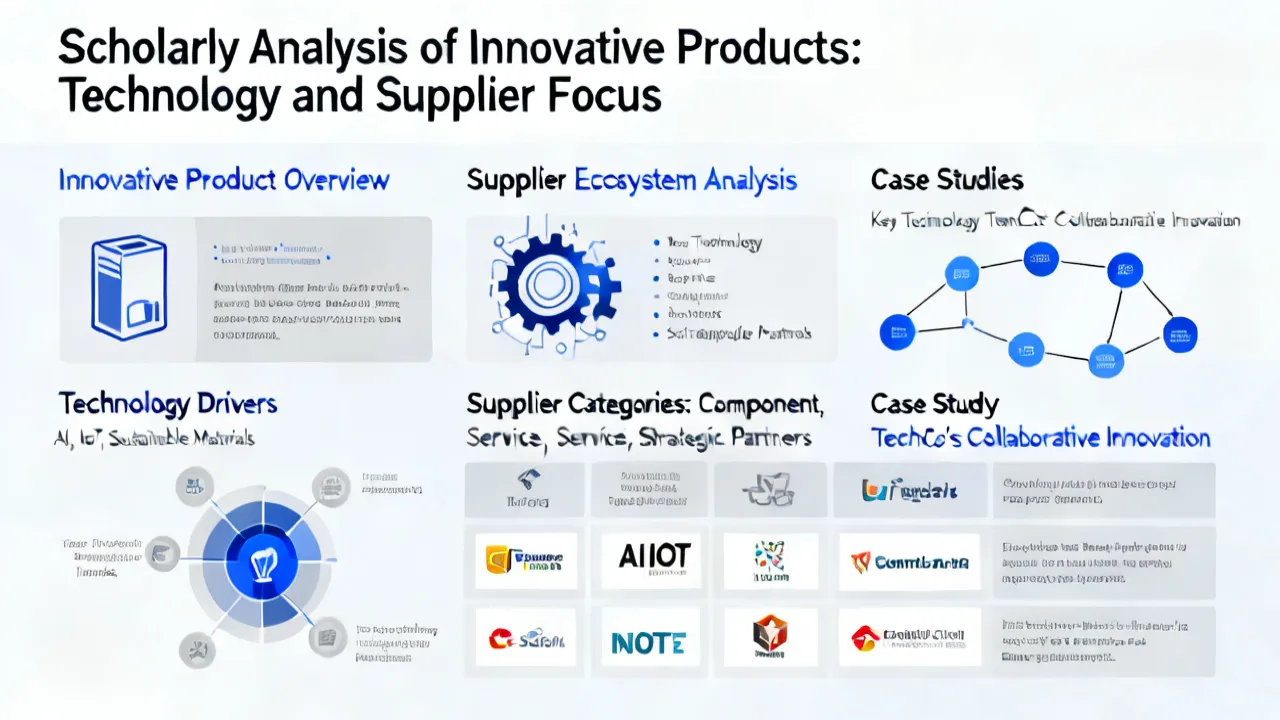
This article offers a thorough exploration of 40bname2,2a, focusing on its technological advancements, market positioning, and supplier implications. Delving into the significance of this product in the industry, we uncover pivotal insights that benefit both consumers and businesses. Discover how 40bname2,2a shapes your day-to-day experiences in an ever-evolving technological landscape.
This guide delves into the influence of technology on business strategies and operations. Centering around the keyword "40bname2,2a", it examines industry shifts due to technological advancements. Highlighting critical components that businesses must adapt to thrive digitally, it includes comprehensive insights sans exaggerated claims or predictions.

This article delves into the intricate world of 40bname2,2a, elucidating its significance in contemporary industry practices. Situated in the realm of advanced data management technologies, 40bname2,2a offers a cutting-edge approach to optimizing business processes. With a commitment to enhancing operational efficiency, understanding its intricacies is crucial for modern enterprises.

This article delves into the complex realm of 40bname2,2a, interpreting its significance from an academic point of view. As a term entrenched in intricate contexts, it demands a thorough exploration to truly understand its applications and implications in various fields, making this piece a valuable resource for enthusiasts and scholars alike.

This comprehensive guide delves into the Ynmc 5b, a pioneering device in its field. The Ynmc 5b represents a pinnacle of innovation, merging advanced technology with accessibility to enhance its applications across various domains. This article explores its features, potential applications, and answers frequently asked questions to provide a full understanding for both industry experts and newcomers.

This guide explores 55places.com, an invaluable resource for locating retirement communities. 55places.com specializes in connecting retirees with age-targeted housing options across the United States. The site leverages expert insights, comprehensive listings, and detailed community reviews, making it a go-to source for planning your perfect retirement lifestyle.

