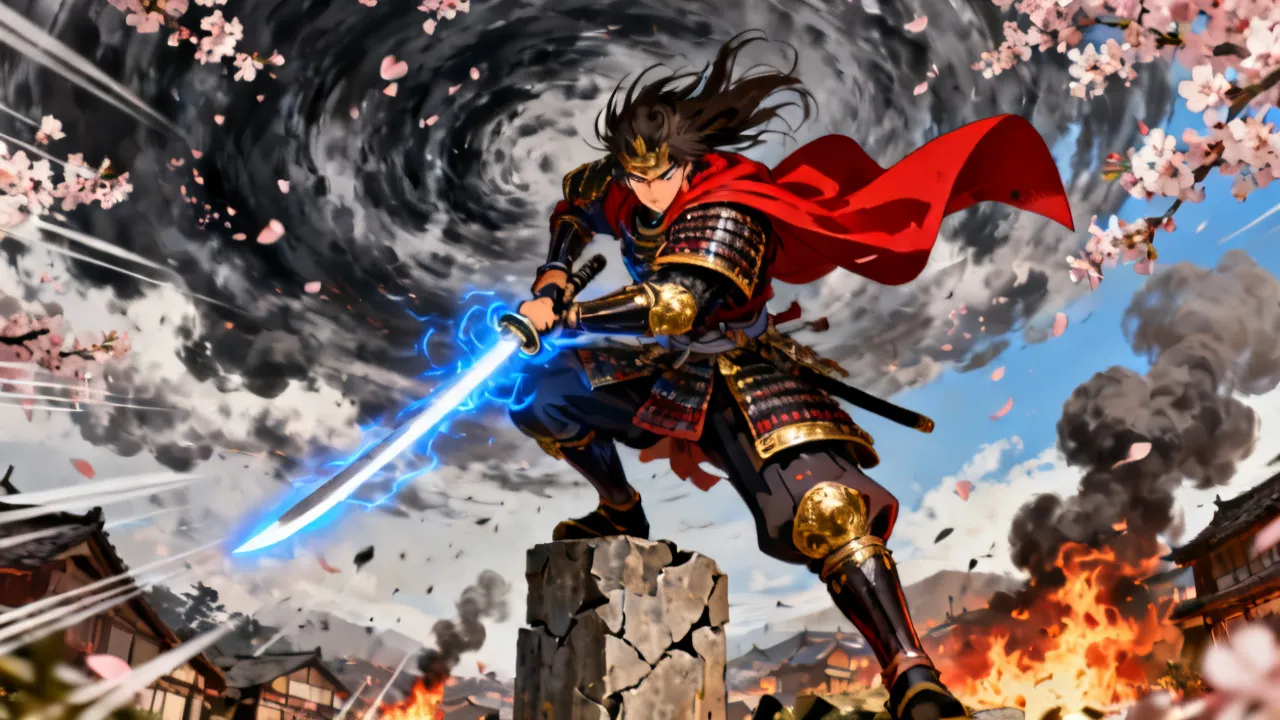
Understanding the Shogun Assassination Arc
This exploration delves into the Shogun Assassination Arc, a compelling narrative within a popular Japanese manga series that blends history with fiction. The arc presents a dramatic sequence of events surrounding a power struggle, reflecting the intricate political dynamics and cultural ethos of the time. This article provides an expert analysis, unpacking the thematic elements and assessing its impact on both fans and the broader narrative.
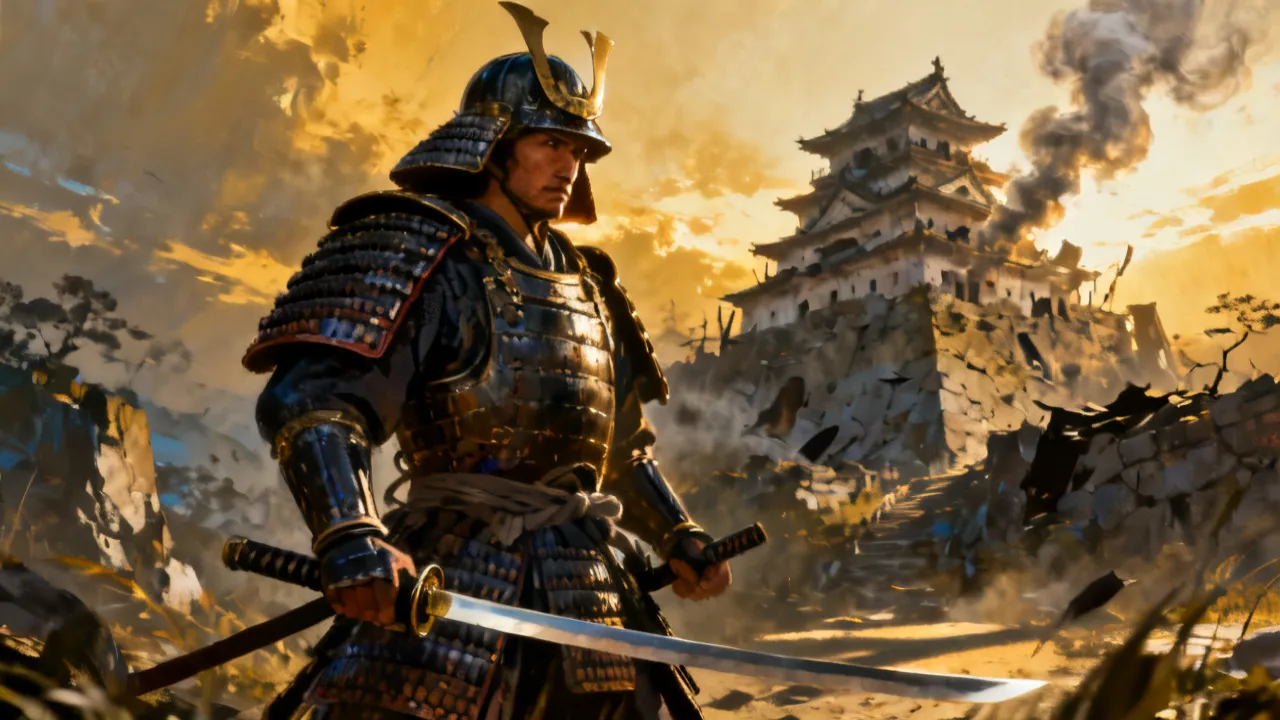
Introduction to the Shogun Assassination Arc
The Shogun Assassination Arc stands as a pivotal segment within the famous manga and anime series, renowned for weaving intricate historical elements with fictional storytelling. Set during a tumultuous era that echoes the complexities of the Edo period, the arc dives deep into political intrigue and the perennial struggle for power. The narrative intertwines the lives of its characters with the circumstances of the time, resulting in a rich tapestry that captivates fans and furthers the overarching themes of the series. The stakes grow higher as the characters navigate through a labyrinth of alliances, betrayals, and moral dilemmas.
Historical Context and Significance
Before we delve into the intricacies of the arc itself, it's vital to understand the backdrop against which this narrative unfolds. The series draws heavily from Japan's historical shogunate system, a period where shoguns were the de facto military rulers overshadowing the emperor's authority. The arc captures this essence by showcasing the challenges faced by a central authority figure, reflecting historical tensions and the perilous climate of political unrest. Historical accuracy mingles with creative liberties, resulting in an engaging portrayal of the era.
The time of the shogunate was characterized by strict social hierarchies, samurai codes of honor, and intricate political maneuvering. In this world, the roles of the warrior class and the common people had profound implications on societal stability. The Shogun Assassination Arc effectively illustrates this societal structure, placing emphasis on the power dynamics surrounding leadership and governance. Through its characters and narrative arcs, it interrogates the moral implications of authority, duty, and the cost of ambition.
Plot Dynamics and Character Development
The Shogun Assassination Arc is a masterful amalgamation of action, drama, and sentiment. Its central narrative revolves around conspiracy and the ensuing struggle to protect or overthrow the shogun. Key characters evolve significantly throughout this arc, offering viewers and readers deeper insights into their motivations and inner conflicts. This transformation is not merely a narrative device but a reflection of the period's ethos, where loyalty and honor clashed with ambition and deceit.
As the plot progresses, characters are faced with moral dilemmas that force them to choose between personal desires and the greater good. The arc introduces pivotal characters, each with their own backstories and motivations. The intrigue intensifies as questions of trust and betrayal come to the forefront. Tragic backstories, personal vendettas, and shifting alliances create a sense of unpredictability, making the arc even more engaging for the audience. Analyzing character trajectories reveals how deeply the events impact their psyches, often changing the course of their lives irreparably.
Notably, the relationships between characters deepen as they are tested by external pressures and internal struggles. Friendships are forged and shattered, leading to emotional confrontations that resonate with viewers on a personal level. Moments of loss and sacrifice highlight the sobering realities of conflict, ensuring that character arcs are not solely driven by plot, but also by the complex emotions woven into their journeys.
Thematic Exploration
The arc extensively explores themes such as loyalty, betrayal, and sacrifice. These timeless elements resonate with audiences, as they are portrayed with raw intensity and emotional depth. The exploration of loyalty is not only depicted in traditional terms; characters grapple with what it truly means to be loyal in a world where allegiances shift like sand. The nuanced portrayal of loyalty extends beyond mere fidelity; it examines the consequences of blind loyalty amidst manipulation and treachery. Characters' loyalties are often tested, leading to moments of introspection and moral ambiguity.
Betrayal, a common thread in the narrative, is portrayed with a grim realism that amplifies the tension in the arc. As trusted allies become adversaries, the impact of betrayal is felt profoundly by all characters involved, instigating a ripple effect that shapes future interactions. The emotional fallout from betrayal showcases the fragility of trust, underlining the psychological toll it takes on characters. This thematic exploration encourages audiences to reflect on the complexities of trust in their own lives.
Sacrifice emerges as a recurring theme, serving as a testament to characters’ convictions and their understanding of duty. The willingness of characters to put themselves in harm's way for the greater good, or for the sake of a loved one, speaks to the essence of nobility during turbulent times. Sacrifices made by individuals often transcend personal desires, emphasizing a sense of community and responsibility that resonates within the fabric of the storyline. This theme underlines the heroic virtues celebrated in samurai culture, drawing parallels with the historical context while offering a dramatic narrative device.
| Theme | Explanation |
|---|---|
| Loyalty | The series portrays loyalty as the backbone of personal relationships, tested amidst political and personal strife. |
| Betrayal | Betrayal, often by trusted allies, introduces a tangible tension and darkness, driving character development. |
| Sacrifice | Characters frequently make personal sacrifices that echo the duties and responsibilities expected during the era. |
Impact on the Series and Beyond
The significance of the Shogun Assassination Arc extends beyond its immediate narrative. It has become a cultural touchstone within the manga community, often cited for its thrilling plot and depth of story. Critics and fans alike praise it for elevating the series, bringing unprecedented attention and acclaim. The artistic direction, animation quality, and character design during this arc showcase the seamless merging of visual storytelling with profound themes, setting a benchmark for future arcs within the series.
In broader cultural discussions, the arc is often referenced concerning leadership, morality, and the nature of power struggles. It compels audiences to grapple with questions surrounding authority figures – what qualities make a leader virtuous, and at what cost can power be obtained? Through its complex portrayal of protagonists and antagonists, the arc blurs traditional notions of right and wrong. Such moral grayness invites discussions around ethical leadership and the challenges of governance, which remain relevant across various cultures and time periods.
Moreover, the Shogun Assassination Arc's popularity has paved the way for a surge of interest in period dramas, both in Japan and internationally, highlighting the appeal of historical narratives infused with rich character studies. Its success has encouraged the production of similar content, demonstrating the enduring fascination with stories that examine the interplay of politics and personal motives against a historical backdrop. The discussions stemming from this arc extend to academic circles as well, where scholars analyze the series to better understand cultural reflections of Japanese history and its contemporary implications.
Cultural Reflections and Localization
For audiences unfamiliar with Japanese history, understanding the Shogun Assassination Arc offers a window into Japan's rich cultural and historical tapestry. The blending of samurai culture, traditional values, and modern philosophical questions provides a nuanced understanding of the era's social fabric. The arc’s depiction of rigid societal norms, such as the samurai code of honor (bushido), not only entertains but informs viewers about historical moralities, conflicts, and the sacrifices individuals made during chaotic times.
Localization efforts have made the plot accessible to an international audience, yet the depth of cultural context can sometimes be lost in translation. Maintaining the balance between localization and cultural fidelity is a challenge, as nuances in language, humor, and philosophical underpinnings can shift meanings. However, the essential themes of loyalty, honor, and the human condition resonate universally, contributing to the arc's continued appeal. Various adaptations, whether through subtitles or dubbed versions, have highlighted the universal struggle for identity amidst external pressures, allowing audiences worldwide to connect with the characters' experiences.
This cultural exchange not only enhances the viewing and reading experience but also stimulates interest in exploring Japanese history further. Fans may find themselves delving into books, documentaries, and historical texts that provide a richer understanding of the context that shaped the narrative. In a globalized world, this engagement with historical sources can foster cross-cultural appreciation and dialogue, illustrating how stories bridge divides and connect different cultures.
Frequently Asked Questions
What is the core storyline of the Shogun Assassination Arc?
The arc mainly focuses on a conspiracy to overthrow the shogun, guided by complex political maneuvers and character alliances typical of the chaotic shogunate period. As characters navigate this treacherous landscape, themes of loyalty, betrayal, and sacrifice emerge, affecting their relationships and decisions.
How does this arc compare to historical events?
While it takes creative liberties, the arc draws parallels with historical coups and the power dynamics within the Edo period's hierarchical structure. Characters and scenarios may mirror real-life figures and events from history, serving as a reminder of the struggles individuals face when confronted with conflicting loyalties.
Why is this arc particularly popular?
Its popularity stems from its intricate storytelling, intense character arcs, and its exploration of profound themes that resonate with a wide audience base. Viewers appreciate the multifaceted characters, immersive plot, and rich historical context that elevates it beyond typical anime narratives.
Conclusion
The Shogun Assassination Arc remains a landmark in the landscape of Japanese anime and manga. Its blend of historical context, intricate character development, and thematic depth creates a compelling narrative that captivates audiences around the globe. For scholars, enthusiasts, and casual readers alike, it offers both a gripping story and a fascinating lens through which to understand the interplay of fictional narratives and historical realities. The emotional journeys of the characters reflect profound human experiences—making this arc timeless and relevant across generations.
In an era marked by its own struggles against authority and the complexities of human relationships, the Shogun Assassination Arc reminds us that the themes of loyalty, betrayal, and sacrifice are eternally relevant. As such, this arc continues to inspire discussions not only about the characters' choices but also about our own lives and the moral dilemmas we face. The success and impact of this arc highlight the power of storytelling in shaping cultural narratives and exploring the multifaceted aspects of the human condition.
Ultimately, the Shogun Assassination Arc invites readers and viewers to reflect on history and humanity in a way that is both engaging and educative. It triumphantly stands as a testament to the richness of Japanese storytelling, encapsulating the enduring legacy of the samurai era while weaving a narrative that transcends time and place, elevating the appreciation of anime and manga as a sophisticated art form.
-
1

Discovering Springdale Estates
-
2
Complete Dental Implants in One Day
-
3
Navigating Senior Living Options
-
4
Transform Your Lifestyle: Discover the Elegance and Swift Convenience of Designer Prefabricated Homes!
-
5
Guiding Your Family Through the Conversation: Navigating a Lung Cancer Diagnosis Together